The Law Office of Ryan P. Duffy, PLLC

Blog

  • What Does a Personal Injury Lawyer Actually Do? A Behind-the-Scenes Look

    What Does a Personal Injury Lawyer Actually Do? A Behind-the-Scenes Look

    A personal injury lawyer does a lot more than file paperwork and show up in court. Most of the real work happens behind the scenes — investigating your accident, gathering evidence, dealing with insurance adjusters, coordinating with your doctors, and building a case that proves what your claim is actually worth. It’s a grind that most clients never see.

    I know this from both sides of the table. Before I opened my own firm to represent injured people in Belmont, NC, I spent years as an insurance defense attorney. I defended the companies that are now on the other side of my cases. That experience showed me exactly how insurers evaluate claims, where they look for weaknesses, and what it takes to build a case they can’t ignore.

    Personal injury attorney reviewing case documents at desk

    The real work of a personal injury case happens long before anyone steps into a courtroom.

    Investigation: where every case starts

    The first thing I do when a new client calls is start investigating. And I mean right away. Evidence disappears fast. Witnesses forget details. Surveillance footage gets recorded over. The clock starts ticking the moment an accident happens.

    Here’s what that investigation typically looks like:

    • Obtaining the police report and any supplemental reports
    • Photographing and documenting the accident scene
    • Tracking down witnesses and getting recorded or written statements
    • Requesting surveillance camera footage from nearby businesses
    • Pulling vehicle data from black boxes or event data recorders
    • Reviewing medical records from the ER, your primary care doctor, and any specialists

    This isn’t busy work. Every piece of evidence serves a purpose — it either proves liability, documents your injuries, or establishes damages. Miss something early and you might not get a second chance at it.

    Dealing with the insurance company

    This is where things get adversarial, even if the adjuster sounds friendly on the phone. Insurance companies aren’t in the business of paying fair settlements. They’re in the business of paying as little as possible. Your adjuster has a supervisor, that supervisor has a budget, and everyone answers to shareholders.

    Once I’m on your case, I handle all communication with the insurance company. That means you don’t have to take those calls where the adjuster casually asks how you’re feeling — hoping you’ll say something they can use against you later.

    My job at this stage includes:

    • Sending a letter of representation so the insurer knows to contact me, not you
    • Requesting the full claim file and coverage information
    • Responding to information requests without giving away our strategy
    • Pushing back on unreasonable delays or lowball evaluations

    Having worked inside the defense world, I know the playbook. I know when an adjuster is stalling because they don’t have authority yet and when they’re stalling because they’re hoping you’ll give up. That distinction matters.

    Managing your medical treatment and records

    A personal injury case lives and dies by the medical evidence. If your records don’t support the injuries you’re claiming, the insurance company won’t pay — no matter how much pain you’re in.

    I work closely with my clients on their medical treatment. Not to tell them what medical care to get (that’s their doctor’s job), but to make sure the legal side lines up with the medical side. That means:

    • Making sure you’re following up with the right specialists
    • Collecting and organizing all medical records and bills
    • Identifying gaps in treatment that the insurance company will try to exploit
    • Coordinating with providers on liens and billing

    Gaps in treatment are one of the biggest problems I see. If you stop going to the doctor for three months and then suddenly go back, the insurance company will argue you weren’t really that hurt. I make sure my clients understand that from day one.

    Ryan’s Insider Perspective

    When I defended insurance companies, gaps in medical treatment were one of the first things I looked for. If a claimant missed appointments or waited weeks between visits, I’d use that to argue the injuries weren’t serious. Now I make sure my clients don’t give the defense that ammunition.

    Building the demand package

    Once you’ve finished treating (or reached maximum medical improvement), I put together what’s called a demand package. This is the formal presentation of your case to the insurance company.

    A strong demand package includes:

    • A detailed demand letter laying out the facts, the law, and why the claim is worth what we’re asking
    • All relevant medical records and bills
    • Documentation of lost wages and loss of earning capacity
    • Photos from the accident scene and of your injuries
    • Witness statements
    • Any expert reports (accident reconstruction, life care plans, etc.)

    Writing the demand letter is one of the most time-intensive parts of my job. It’s essentially a legal brief that tells the story of your case in a way that’s persuasive enough to move the needle on settlement. A sloppy demand letter signals to the insurance company that they’re dealing with a lawyer who won’t put in the work to take the case to trial. I don’t send sloppy demand letters.

    Attorney negotiating settlement with insurance company

    Negotiation is where most personal injury cases are won or lost.

    Negotiation: where most cases are won

    Here’s something most people don’t realize: the vast majority of personal injury cases settle without going to trial. That doesn’t mean the work is easy. Settlement negotiations can go back and forth for weeks or months.

    After I send the demand, the insurance company responds with their evaluation. It’s almost always lower than what I asked for. Then we negotiate. I push back on their number, they push back on mine, and we work toward something that’s fair.

    Fair is the key word. I’m not going to tell you that every case is worth a million dollars. But I’m also not going to let an insurance company shortchange you because they know most people don’t have a lawyer willing to take the case to court. If the offer isn’t fair, I’ll tell you — and we’ll talk about what comes next.

    If you’ve been in a car accident in North Carolina, this negotiation phase is where having a lawyer who understands the defense side pays off. I know what adjusters are authorized to pay, and I know when they’re holding back.

    Litigation: when a lawsuit becomes necessary

    Sometimes the insurance company won’t budge. When that happens, I file a lawsuit. Filing a lawsuit doesn’t mean you’re going to trial — in fact, many cases settle after a lawsuit is filed because the insurer finally takes the claim seriously. But you have to be prepared to go all the way.

    Litigation involves:

    • Drafting and filing the complaint
    • Written discovery — interrogatories, requests for production, requests for admission
    • Depositions of witnesses, the defendant, experts, and sometimes even the adjuster
    • Mediation — a formal settlement conference with a neutral mediator
    • Trial preparation — jury selection, opening statements, witness examination, closing arguments

    This is where the rubber meets the road. A personal injury lawyer who doesn’t try cases is a personal injury lawyer the insurance companies don’t take seriously. I try cases. And insurance companies in this area know it.

    What you don’t see: the day-to-day grind

    Beyond the big-picture stuff, there’s a mountain of day-to-day work that goes into every case. Returning client calls. Following up on medical records requests. Reviewing new bills as they come in. Coordinating with lien holders. Updating case management files. Responding to discovery requests from the defense.

    It’s not glamorous. Nobody makes a TV show about a lawyer spending three hours on the phone trying to get medical records from a hospital’s records department. But that work is the foundation of every successful personal injury case.

    If you want to know more about the steps you should take right after an accident, check out my guide on what to do after a car accident in North Carolina.

    Frequently asked questions

    How much does a personal injury lawyer cost?

    Most personal injury lawyers, including my firm, work on a contingency fee basis. That means you don’t pay anything upfront and you don’t owe attorney fees unless we win your case. The fee is a percentage of your recovery. This is the standard arrangement for personal injury cases in North Carolina.

    Do I really need a lawyer for a personal injury claim?

    You’re not required to have one. But insurance companies treat represented claimants differently than unrepresented ones. Studies consistently show that people who hire lawyers recover significantly more — even after paying attorney fees — than people who handle claims on their own. The insurance company has a team of professionals working on their side. You should too.

    How long does a personal injury case take?

    It depends on the complexity of your injuries and whether the case settles or goes to litigation. A straightforward soft tissue case might resolve in a few months. A case involving surgery or permanent injuries could take a year or more. I won’t rush your case just to get a quick settlement — and I won’t drag it out either. You can read more about how long you have to file a car accident claim in NC.

    What should I look for when hiring a personal injury attorney?

    Experience matters, but so does the type of experience. Ask whether the lawyer has actually tried cases in court. Ask about their background — have they worked on the insurance side? Do they handle cases like yours regularly? And pay attention to how they communicate. If a lawyer won’t return your calls during the consultation phase, that’s not going to improve once they have your case.

    Injured and not sure where to start? I’ll walk you through what your case looks like — for free.

    Free Consultation
    Call 704-741-9399

    This blog post is for general informational purposes only and does not constitute legal advice. Every case is different, and outcomes depend on the specific facts and circumstances involved. Contact the Law Office of Ryan P. Duffy for a free consultation to discuss your specific situation.


  • How Long Do I Have to File a Car Accident Claim in North Carolina?

    How Long Do I Have to File a Car Accident Claim in North Carolina?

    In North Carolina, you have three years from the date of your car accident to file a personal injury lawsuit. That’s the deadline under N.C. Gen. Stat. § 1-52(16). Miss it by even a day, and the court will throw out your case. Doesn’t matter how badly you were hurt or how obviously the other driver caused the wreck. But the statute of limitations isn’t actually the thing I worry about for most of my clients. The real problem is what happens to your case while you sit on it.

    I spent years defending insurance companies before I switched sides. I can tell you that delay is one of the best friends an insurer has. Every week you wait makes it easier for them to pay you less or shut you out entirely.

    Calendar and clock on a desk with legal documents, representing the urgency of filing a car accident claim in North Carolina

    The three-year deadline to file a car accident lawsuit in North Carolina goes by faster than most people think.

    The statute of limitations for NC car accidents

    The statute of limitations is just a legal deadline for filing suit. For most car accident injury claims in North Carolina, it’s three years from the date of the accident under N.C. Gen. Stat. § 1-52. If someone died in the accident, the wrongful death deadline is shorter: two years from the date of death under N.C. Gen. Stat. § 1-53.

    A few narrow exceptions can move the deadline:

    • Minors. If the injured person was under 18, the three-year clock doesn’t start until they turn 18.
    • Mental incapacity. The deadline may be tolled if the injured person was mentally incapacitated at the time of the accident.
    • Government vehicles. Accidents involving a city, county, or state vehicle sometimes require a notice of claim within as little as 6 months.

    These exceptions are narrow and fact-specific. For most people reading this, the rule is straightforward: three years from the crash.

    Why waiting is dangerous even if you’re within the deadline

    People hear “three years” and figure they have time. Technically, sure. But a case that’s a year old is almost always weaker than one that’s a month old. There are a few reasons for that.

    Evidence disappears fast

    Surveillance footage from nearby businesses gets overwritten every 30 to 90 days. Skid marks fade. Vehicles get repaired or junked. The physical proof of what happened starts disappearing almost immediately, and there’s no getting it back once it’s gone.

    Witnesses forget

    The person who saw the other driver blow through the red light might remember it clearly a week later. Six months out, things get fuzzy. A year later, they might mix up details or not remember it at all. I’ve had cases where a great witness became useless simply because too much time passed before anyone talked to them.

    Treatment gaps give insurers ammunition

    If you wait weeks or months to see a doctor, the insurance company will say your injuries either weren’t caused by the accident or aren’t that bad. I used to make this exact argument when I was on the defense side. A gap of even two or three weeks is enough for an adjuster to start questioning whether your injuries are real. See your doctor right away and don’t skip follow-ups.

    Insurers count on your delay

    Adjusters are trained to be patient. They know that the longer a claim sits without a lawyer involved, the more likely someone is to take a bad offer out of frustration or financial pressure. Bills pile up. You can’t work. The mortgage is due. That’s exactly the position they want you in when they put a lowball number in front of you.

    Ryan’s Insider Perspective

    When I worked defense, I saw claim files where the adjuster’s notes flagged cases with delayed treatment or no attorney involvement as “favorable for resolution.” That’s insurance-speak for “we expect to pay a lot less on this one.” The playbook hasn’t changed. The sooner you act, the harder it is for them to run those plays against you.

    North Carolina courthouse exterior with stone columns, representing the legal system and filing deadlines

    Once the statute of limitations expires, the courthouse doors are effectively closed to your claim.

    What happens if you miss the deadline

    If you file your lawsuit even one day late, the defendant files a motion to dismiss and the court grants it. Case over. It doesn’t matter how bad your injuries are, how clear the fault is, or how much you’ve spent on medical bills. Judges don’t have the power to extend the deadline because they feel bad for you.

    You also lose all leverage with the insurance company. Once the statute of limitations passes, the insurer knows you can’t sue them. So why would they negotiate? They won’t.

    Property damage has the same deadline, but it usually doesn’t matter

    North Carolina gives you three years for property damage claims too, under N.C. Gen. Stat. § 1-52(1). But most vehicle damage claims get handled through insurance within a few weeks or months. The deadline really matters on the injury side, especially when your injuries take time to fully show up.

    Contributory negligence makes this even more urgent

    North Carolina is one of a handful of states that follows the contributory negligence rule. If you’re found even 1% at fault for the accident, you can be completely barred from recovering anything. Not reduced. Barred.

    That makes timing critical, because defending against a contributory negligence argument takes preparation. Your attorney needs police reports, witness statements, surveillance footage, medical records, and sometimes an accident reconstruction expert. All of that takes time to gather, and the evidence gets harder to find the longer you wait.

    Wait 18 months and then hire an attorney? Half the evidence may be gone. The witnesses may have moved. The dashcam footage that would’ve proved the other driver crossed the center line was probably deleted months ago. Contributory negligence is already an extremely tough hurdle in North Carolina. Sitting on your hands makes it worse.

    What to do right now

    If you’ve been in a car accident in North Carolina and haven’t talked to a lawyer yet, here’s what I’d tell you:

    1. Get medical treatment if you haven’t already. Follow up with your doctor and don’t skip appointments.
    2. Stop giving statements to the insurance company without legal guidance. Anything you say can be used to reduce or kill your claim.
    3. Save everything. Photos, medical bills, the police report, any texts or emails with the other driver’s insurer.
    4. Talk to a personal injury attorney. My firm and most others offer free consultations. We work on contingency, which means you don’t pay unless we recover money for you.

    You don’t have to file suit tomorrow. But getting legal advice early gives your lawyer time to lock down evidence while it still exists. Waiting doesn’t help you. It helps the insurance company.

    Frequently asked questions

    How long do I have to file a car accident claim in NC?

    Three years from the date of the accident for personal injury, under N.C. Gen. Stat. § 1-52. Wrongful death claims have a two-year deadline from the date of death.

    Does the statute of limitations apply to insurance claims too?

    Technically, the statute of limitations is about filing a lawsuit, not an insurance claim. But once the deadline passes, the insurer knows you can’t sue, so they have zero reason to negotiate. File your claim as soon as you can.

    Can I still file if my accident was two years ago?

    Yes, you’re still within the deadline. But your case is weaker now than it was a year ago, and it’ll be weaker next month than it is today. Don’t wait any longer. Talk to an attorney.

    What if my injuries didn’t show up until weeks later?

    The clock usually starts on the date of the accident, not when you first noticed symptoms. There’s a narrow “discovery rule” that might apply in unusual situations, but don’t count on it. If you’re dealing with delayed symptoms, talk to a lawyer sooner rather than later.

    Don’t let the clock run out on your car accident claim. Get a free case evaluation from a former insurance defense attorney.

    Free Consultation
    Call 704-741-9399

    This blog post is for general informational purposes only and does not constitute legal advice. Every case is different, and outcomes depend on the specific facts and circumstances involved. Contact the Law Office of Ryan P. Duffy for a free consultation to discuss your specific situation.

  • North Carolina Dog Bite Laws: Strict Liability vs. Negligence Explained

    North Carolina Dog Bite Laws: Strict Liability vs. Negligence Explained

    North Carolina handles dog bite cases differently than most states. Instead of a single rule that applies to every situation, NC has two separate legal theories you can use to hold a dog owner responsible: strict liability and negligence. Which one applies to your case depends on the specific circumstances of the attack — and getting this right can make or break your claim.

    I’m a personal injury attorney in Belmont, NC, and I’ve handled dog bite cases under both theories. Before opening my firm to represent injured people, I worked as an insurance defense lawyer, which means I’ve also defended dog owners and their insurers. That experience on both sides gives me a clear picture of how these cases are evaluated, what defenses get raised, and what it takes to win.

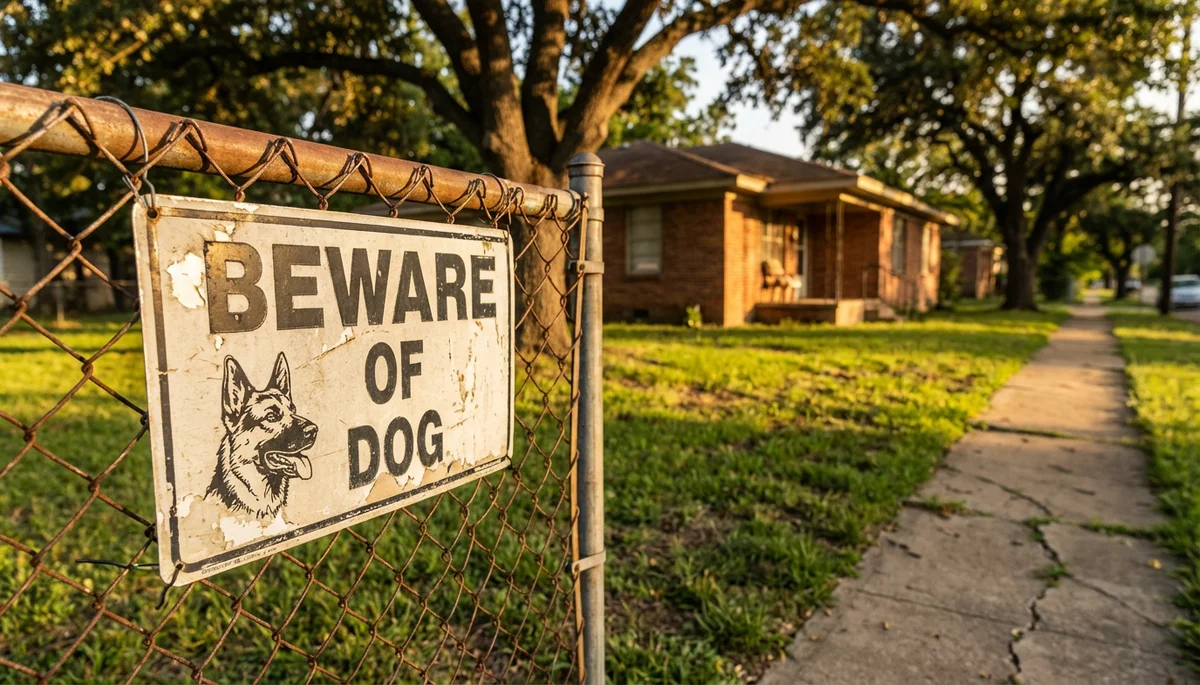
    Dangerous dog behind fence in North Carolina neighborhood

    North Carolina’s two-track system for dog bite liability creates opportunities — but also traps for the unprepared.

    The two paths to recovery in NC dog bite cases

    In North Carolina, if you’ve been bitten or attacked by a dog, you can pursue compensation through one of two legal frameworks:

    1. Strict liability under N.C.G.S. 67-4.4 — applies when the dog was running at large at night, or when the dog is declared “dangerous” or “potentially dangerous”
    2. Common law negligence — applies when you can prove the owner knew or should have known their dog was dangerous

    These aren’t mutually exclusive. In some cases, both theories apply. In others, only one fits the facts. Let me walk through each one so you understand what’s involved.

    Strict liability: N.C.G.S. 67-4.4 and the “dangerous dog” statute

    North Carolina’s strict liability statute for dog bites is found in Chapter 67 of the General Statutes. The key provisions are N.C.G.S. 67-4.1 (definitions) and N.C.G.S. 67-4.4 (liability).

    Under strict liability, the dog owner is responsible for your injuries without you having to prove they were negligent. You don’t have to show they knew the dog was dangerous. You don’t have to show they did anything wrong. If the statutory conditions are met, the owner is liable. Period.

    Strict liability applies in two main situations:

    Dogs running at large at night

    Under N.C.G.S. 67-12, if a dog is running at large at night (defined as after sunset and before sunrise) and causes injury to a person, the owner is strictly liable. The dog doesn’t need a prior history of aggression. It doesn’t matter if the dog was the friendliest animal in the neighborhood. If it was roaming free after dark and it bit you, the owner pays.

    This law dates back to an older era of North Carolina jurisprudence, but it’s still on the books and still enforceable. I’ve used it in cases where the dog had no known history of biting anyone.

    Dogs classified as “dangerous” under N.C.G.S. 67-4.1

    A dog can be declared “dangerous” by local animal control if it:

    • Has killed or inflicted severe injury on a person
    • Is determined by the county or municipal authority to be potentially dangerous because it has bitten, attacked, or been trained for fighting

    Once a dog has been officially designated as dangerous, the owner is strictly liable for any injuries the dog causes going forward under N.C.G.S. 67-4.4. The statute also imposes specific requirements on owners of dangerous dogs — they must keep the dog in a secure enclosure, post warning signs, and maintain liability insurance or a surety bond of at least $100,000.

    If the owner fails to comply with these requirements and the dog injures someone, the strict liability is essentially automatic.

    Common law negligence: the “one bite” rule in NC

    If the strict liability statute doesn’t apply — say the attack happened during the day and the dog hadn’t been officially declared dangerous — you can still recover under North Carolina’s common law negligence theory.

    This is sometimes called the “one bite rule,” though that name is misleading. It doesn’t mean every dog gets one free bite. What it means is that to hold the owner liable for negligence, you have to prove they knew or should have known that their dog had dangerous propensities.

    The legal elements you need to establish are:

    1. The dog had a dangerous propensity (a tendency to bite, attack, or act aggressively)
    2. The owner knew or should have known about that propensity
    3. The owner failed to take reasonable precautions to prevent the dog from injuring someone
    4. That failure caused your injuries

    Proving “knowledge of dangerous propensity” is where these cases get interesting. You’re looking for evidence like:

    • Prior bite incidents (even if they weren’t reported)
    • Complaints from neighbors about the dog’s aggressive behavior
    • The dog lunging at people, growling, or snapping
    • The owner keeping the dog chained or behind a fence specifically because of its temperament
    • Warning signs like “Beware of Dog” (these can actually be used as evidence that the owner knew the dog was dangerous)
    • Breed-specific behavior patterns (though this is a sensitive area in court)

    The owner doesn’t have to have actual knowledge. Constructive knowledge — what they should have known if they were paying reasonable attention — is enough.

    Ryan’s Insider Perspective

    When I defended dog bite cases on the insurance side, the first thing I’d look for was any evidence that the dog had no prior history of aggression. If the owner could show the dog had never shown dangerous tendencies, it was a strong defense under the negligence theory. Now, when I represent the injured person, I dig into the dog’s history — talking to neighbors, checking animal control records, searching for prior complaints. You’d be surprised how often there’s a trail of red flags the owner ignored.

    Beware of Dog sign on a chain-link fence in a suburban neighborhood, representing North Carolina dog bite liability

    Documenting your injuries thoroughly is essential for both strict liability and negligence dog bite claims in NC.

    Defenses dog owners raise in NC bite cases

    Knowing the defenses that will come up in your case helps you prepare. Here are the most common ones I see:

    Contributory negligence

    North Carolina follows the pure contributory negligence rule. If the defense can prove you were even 1% at fault for the attack — maybe you were taunting the dog, trespassing, or ignoring a posted warning — they’ll argue you’re barred from recovering anything. This is one of the harshest rules in the country, and it applies to dog bite cases just like it applies to car accident cases.

    Provocation

    If the dog was provoked, the owner may not be liable. Provocation is a defense under both the strict liability statute and common law negligence. But “provocation” has a specific legal meaning — it has to be something that would reasonably provoke an attack. A child petting a dog that then bites isn’t provocation. Pulling a dog’s tail repeatedly might be.

    Trespassing

    If you were trespassing on the dog owner’s property when the bite happened, your recovery may be limited or barred entirely. Property owners owe a lower duty of care to trespassers than they do to invited guests or even licensees.

    No knowledge of dangerous propensity (negligence cases only)

    In a negligence case, the owner will argue they had no idea their dog could be dangerous. This is why the investigation into the dog’s history is so critical. If the dog has a clean record and the owner can show it’s always been docile, this defense can be effective.

    What damages can you recover in a NC dog bite case?

    Dog bite injuries can be severe — deep lacerations, puncture wounds, nerve damage, scarring, broken bones, and serious infections. Children are especially vulnerable to bites on the face and neck. The damages you can recover include:

    • Medical bills (emergency treatment, surgery, plastic surgery for scarring, physical therapy, infection treatment)
    • Future medical costs if you’ll need additional treatment or revision surgery
    • Lost wages from time missed at work
    • Pain and suffering, including the physical pain and emotional trauma
    • Scarring and disfigurement — this is a significant damage category in dog bite cases, especially for facial injuries
    • Emotional distress, including PTSD, anxiety around dogs, and nightmares (particularly common in children)

    In cases involving dangerous dogs where the owner violated the requirements of N.C.G.S. 67-4.4, the court may also award punitive damages. Punitive damages are meant to punish the owner for their reckless disregard of the law and deter others from similar behavior.

    Steps to take after a dog bite in North Carolina

    If you or someone you love has been bitten by a dog, here’s what you should do:

    1. Get medical attention immediately. Dog bites carry a high risk of infection. Even a bite that looks minor on the surface can cause deep tissue damage.
    2. Report the bite to animal control. This creates an official record of the incident and may trigger an investigation into whether the dog should be declared dangerous.
    3. Document everything. Take photos of your injuries, the location where the attack happened, and the dog if possible. Get the owner’s name, address, and insurance information.
    4. Get witness contact information. If anyone saw the attack, get their names and phone numbers.
    5. Don’t give a recorded statement to the owner’s insurance company. If the owner has homeowner’s insurance, their insurer may contact you. Be polite, but don’t give a detailed statement without talking to an attorney first.
    6. Contact a dog bite attorney. An attorney can determine which legal theory applies to your case, investigate the dog’s history, and handle the insurance claim on your behalf.

    Which insurance policy covers dog bite claims?

    Most dog bite claims are covered under the dog owner’s homeowner’s or renter’s insurance policy. These policies typically include liability coverage that pays for injuries caused by the policyholder’s dog.

    There are exceptions. Some insurance companies exclude certain breeds from coverage or require separate riders for dogs with bite histories. If the owner doesn’t have homeowner’s insurance (which is more common with renters), you may need to pursue a claim directly against the individual — which can complicate collection even if you win.

    Landlords can also be liable in some situations, particularly if they knew a tenant’s dog was dangerous and failed to act. This opens up the landlord’s insurance policy as another potential source of recovery.

    Frequently asked questions

    Does North Carolina have a “one bite” rule?

    Sort of. Under the common law negligence theory, you do need to prove the owner knew or should have known their dog had dangerous tendencies. That’s where the “one bite” label comes from. But North Carolina also has strict liability under N.C.G.S. 67-4.4 for dangerous dogs and dogs running at large at night — and under strict liability, there’s no “first bite” defense. It depends on which legal theory applies to your situation.

    How long do I have to file a dog bite lawsuit in North Carolina?

    The statute of limitations for a personal injury claim in North Carolina is three years from the date of the injury (N.C.G.S. 1-52). For minors, the clock doesn’t start until they turn 18. Even so, I’d recommend contacting an attorney well before the deadline — evidence fades, witnesses move, and animal control records can be harder to obtain over time.

    Can I still recover if the dog had never bitten anyone before?

    Yes, potentially. Under the strict liability statute, prior bites aren’t required — if the dog was running at large at night or has been declared dangerous, the owner is liable regardless of the dog’s bite history. Under negligence, you’d need to show the dog had shown other aggressive tendencies even if it hadn’t actually bitten someone previously. Growling, lunging, or chasing people can all serve as evidence of a dangerous propensity.

    What if I was bitten by a dog while visiting someone’s home?

    As an invited guest (or “licensee” in legal terms), you’re owed a reasonable duty of care by the property owner. If the homeowner knew their dog was aggressive and failed to warn you or secure the dog, they’re likely liable under the negligence theory. The homeowner’s insurance policy would typically cover the claim. The analysis changes if you were trespassing, which reduces the duty of care owed to you.

    Bitten by a dog in North Carolina? I’ll evaluate your case for free and explain your legal options.

    Free Consultation
    Call 704-741-9399

    This blog post is for general informational purposes only and does not constitute legal advice. Every case is different, and outcomes depend on the specific facts and circumstances involved. Contact the Law Office of Ryan P. Duffy for a free consultation to discuss your specific situation.
  • What Is Contributory Negligence and How Does It Affect My NC Injury Claim?

    What Is Contributory Negligence and How Does It Affect My NC Injury Claim?

    If you’ve been injured in an accident in North Carolina, there’s one legal rule that could wipe out your entire claim — even if the other driver was 99% at fault. It’s called contributory negligence, and it’s one of the harshest legal doctrines in the country.

    I know how this rule works because I used to be the attorney arguing it. Before I started representing injured people, I spent years on the insurance defense side. I watched adjusters and defense lawyers use contributory negligence to deny and devalue legitimate claims every single day. Now I fight against the same tactics I was trained to use.

    Scales of justice representing North Carolina contributory negligence law

    North Carolina is one of only a handful of states that still follows the pure contributory negligence rule.

    What is contributory negligence?

    Contributory negligence is a legal defense that says if you — the injured person — were even slightly at fault for causing the accident, you can’t recover any compensation. Not reduced compensation. Zero.

    Under North Carolina General Statutes § 1-139, contributory negligence is a complete bar to recovery. That means if a jury finds you were 1% responsible for the accident and the other driver was 99% at fault, you get nothing.

    Most states abandoned this rule decades ago. They moved to what’s called “comparative negligence,” where your compensation is simply reduced by your percentage of fault. If you were 20% at fault and your damages were $100,000, you’d still recover $80,000. That makes intuitive sense.

    North Carolina didn’t follow the trend. We’re one of only four states (along with Alabama, Maryland, and Virginia) plus the District of Columbia that still apply pure contributory negligence. It’s an old common law rule, and the NC legislature has never changed it despite repeated attempts.

    How insurance companies weaponize contributory negligence

    This is where my background matters. I’ve sat in the rooms where these decisions get made.

    Insurance companies in North Carolina don’t just raise contributory negligence when there’s genuine shared fault. They raise it as a default strategy on nearly every claim. The adjuster’s playbook is simple: find anything — literally anything — the injured person did that could be characterized as negligent, and use it to justify a denial or a lowball offer.

    Were you going 2 mph over the speed limit? Contributory negligence. Did you glance at your phone for a second? Contributory negligence. Were you not wearing your seatbelt? They’ll argue that too, even though seatbelt use in NC has specific rules about admissibility.

    The insurance company doesn’t have to prove you were actually negligent at this stage. They just need enough of an argument to scare you into accepting less money or walking away entirely. And it works. I saw it work hundreds of times from the defense side.

    Ryan’s Insider Perspective

    When I worked defense, we had a name for the contributory negligence argument on borderline cases — we called it the “one-percent defense.” It didn’t matter if the evidence was thin. If we could plant any doubt about the plaintiff’s conduct, it changed the entire negotiation dynamic. The threat of a total bar to recovery is so severe that many injured people settle for a fraction of what their case is worth just to avoid the risk. That’s exactly what the insurance company is counting on.

    Common scenarios where contributory negligence comes up

    Some accident types are more vulnerable to this defense than others. If you’ve been in any of these situations, you need to understand how the insurance company will try to use your own conduct against you.

    Intersection accidents

    The other driver ran a red light, but the insurance company argues you should have seen them coming and could have avoided the collision. They’ll claim you weren’t keeping a proper lookout. This argument comes up constantly, and it’s one of the most frustrating for people who were clearly not at fault.

    Rear-end collisions

    You’d think a rear-end collision would be straightforward — the following driver hit you from behind. But insurance companies will argue you stopped short, your brake lights weren’t working, or you were “brake checking.” Even in clear-cut rear-end cases, expect this defense to show up.

    Speeding or distracted driving allegations

    If there’s any evidence you were going over the speed limit or might have been distracted, the defense will grab onto it. They’ll pull your phone records. They’ll look at the accident reconstruction data. They’re not just defending the case — they’re building a contributory negligence argument from day one.

    Pedestrian and bicycle accidents

    A driver hits a pedestrian in a crosswalk, and the insurance company argues the pedestrian was jaywalking or not paying attention. Cyclists get hit by cars, and the defense says they weren’t wearing reflective gear or were riding too close to the lane. These cases are particularly harsh under contributory negligence because juries sometimes have a bias against pedestrians and cyclists on the road.

    Exceptions to contributory negligence in North Carolina

    The good news — and there is some — is that NC law recognizes several exceptions that can overcome a contributory negligence defense. A good attorney knows how to use these.

    Last clear chance doctrine

    Under NC case law, if the defendant had the “last clear chance” to avoid the accident and failed to act, contributory negligence may not apply. Say you were stopped partially in an intersection — technically you shouldn’t have been there — but the other driver had plenty of time to stop and simply wasn’t paying attention. The last clear chance doctrine could save your claim.

    Gross negligence or willful conduct

    If the defendant’s conduct was grossly negligent or willful and wanton, contributory negligence generally isn’t a defense. Think drunk driving, street racing, or road rage. When the at-fault party’s behavior rises above ordinary negligence, the contributory negligence bar doesn’t apply. This is established under North Carolina General Statutes § 1-151.1.

    Defendant’s violation of a safety statute

    In some cases, if the defendant violated a specific safety statute designed to protect you, your own negligence may not bar recovery. The interplay between statutory violations and contributory negligence is complicated, but it’s a real tool that experienced attorneys use.

    Attorney reviewing North Carolina insurance claim documents

    Understanding the exceptions to contributory negligence can make or break your injury claim in NC.

    What you should do to protect your claim

    Because contributory negligence is such a powerful weapon for the defense, everything you say and do after an accident matters. Here’s how to protect yourself.

    Don’t admit fault at the scene. Even saying “I’m sorry” can be twisted later. Stick to the facts when talking to police and don’t speculate about what happened. I’ve written about the full list of steps to take after a car accident in North Carolina.

    Be careful with recorded statements. Insurance adjusters will ask you questions designed to get you to admit some fault. “Were you in a hurry?” “Did you see the other car before impact?” These questions have one purpose — building a contributory negligence defense. Learn more about why you should think twice before giving a recorded statement.

    Preserve all evidence. Dashcam footage, traffic camera video, witness statements, and photos from the scene can all help prove you did nothing wrong. The insurance company will be looking for evidence against you. Make sure the evidence that supports you doesn’t disappear.

    Get an attorney involved early. Contributory negligence cases require careful strategy from the start. An experienced NC personal injury attorney knows how to investigate the facts, counter the defense’s arguments, and position your case to either avoid the defense entirely or fall within one of the recognized exceptions. There are also time limits on filing your claim, so don’t wait.

    Why this rule probably isn’t going anywhere

    Every few years, a bill gets introduced in the NC General Assembly to replace contributory negligence with comparative fault. And every few years, the insurance lobby kills it. The insurance industry spends millions fighting this change because contributory negligence saves them an enormous amount of money.

    The North Carolina Association of Defense Attorneys and various insurance trade groups consistently oppose reform. They argue that comparative negligence would lead to more frivolous lawsuits and higher insurance premiums. Having worked on that side, I can tell you the real reason: contributory negligence is the single most effective tool insurance companies have to avoid paying claims, and they don’t want to lose it.

    Until the law changes — and I wouldn’t hold your breath — injured people in NC have to deal with the system as it exists. That means being smart, being careful, and having someone in your corner who knows how the other side thinks.

    Frequently asked questions

    Can I recover anything if I was partially at fault in North Carolina?

    Under the pure contributory negligence rule, if you’re found to be even 1% at fault, you’re technically barred from recovery. But there are exceptions — the last clear chance doctrine, gross negligence by the other party, and certain statutory violations can overcome this defense. The practical reality is that many cases involve gray areas, and an experienced attorney can often counter the contributory negligence argument.

    Does North Carolina use comparative or contributory negligence?

    North Carolina uses pure contributory negligence. It’s one of only four states (plus DC) that still follows this rule. Most other states use some form of comparative negligence, which reduces your recovery by your percentage of fault instead of eliminating it entirely.

    What if the insurance company says I was at fault but I wasn’t?

    Insurance companies raise contributory negligence as a negotiation tactic even when the evidence doesn’t support it. They’re hoping you’ll get scared and accept a lower settlement. Don’t take their word for it. An attorney who understands how these arguments are built — and how to dismantle them — can push back effectively. Evidence like police reports, witness statements, and traffic camera footage can counter false fault allegations.

    Does contributory negligence apply to all injury cases in NC, not just car accidents?

    Yes. Contributory negligence applies to all negligence-based personal injury claims in North Carolina — slip and falls, truck accidents, motorcycle crashes, premises liability, and more. It’s a general rule of NC tort law under NCGS § 1-139, not something limited to vehicle accidents.

    Worried about contributory negligence? Get a free case review from an attorney who used to argue this defense.

    Free Consultation
    Call 704-741-9399

    This blog post is for general informational purposes only and does not constitute legal advice. Every case is different, and outcomes depend on the specific facts and circumstances involved. Contact the Law Office of Ryan P. Duffy for a free consultation to discuss your specific situation.
  • What to Do After a Car Accident in North Carolina: A Step-by-Step Guide

    What to Do After a Car Accident in North Carolina: A Step-by-Step Guide

    The moments after a car accident are some of the most disorienting you will ever experience. Your heart is pounding. Adrenaline is flooding your body. You might be in pain, confused, or scared. And the decisions you make in those first few minutes and hours can have a lasting impact on your ability to recover compensation later. As a personal injury attorney in Belmont, NC who spent years on the insurance defense side before switching to represent injured people, I have seen how the smallest misstep at an accident scene can be used against you. This guide walks you through exactly what to do after a car accident in North Carolina so you can protect yourself, your health, and your legal rights.

    Step 1: Stop, Stay Calm, and Check for Safety

    North Carolina law requires you to stop at the scene of any accident involving injury, death, or property damage. Leaving the scene can result in criminal charges, so do not drive away regardless of how minor the collision seems.

    Once you have stopped, take a breath. Check yourself and your passengers for injuries. If anyone is seriously hurt, try not to move them unless there is an immediate danger like fire or oncoming traffic. Turn on your hazard lights and, if it is safe to do so, move your vehicle to the shoulder or out of the travel lanes. If you cannot move the car, stay inside with your seatbelt on until help arrives. Set out flares or reflective triangles if you have them.

    Step 2: Call 911 Immediately

    Always call 911 after a car accident in North Carolina, even if the crash seems minor. There are two important reasons for this. First, you need a police report. The responding officer will document the scene, take statements, and note any traffic violations. That report becomes a critical piece of evidence if you later need to file an insurance claim or lawsuit. Second, some injuries do not show symptoms right away. Having a 911 call on record establishes a timeline that connects the accident to any injuries that surface in the following days or weeks.

    When speaking with the officer, stick to the facts. Tell them what happened without speculating about speed, fault, or what the other driver was doing. If you are not sure about something, say so. The officer’s report will carry weight with insurance adjusters and potentially a jury, so accuracy matters more than filling in every detail.

    Step 3: Document Everything at the Scene

    Your phone is your best tool here. Before anything gets moved, cleaned up, or towed away, pull out your phone and start taking photos and video. Capture:

    • Damage to all vehicles from multiple angles
    • The positions of the vehicles in the road
    • Skid marks, debris, broken glass, or gouges in the pavement
    • Traffic signs, signals, and road conditions
    • Weather and lighting conditions
    • Any visible injuries you or your passengers have
    • The other driver’s license plate

    If there are witnesses, ask for their names and phone numbers. Witnesses have a way of disappearing after the fact, and their accounts can be the difference between winning and losing a case. Write down or record a voice memo of your own recollection while it is fresh. You will be surprised how quickly details fade.

    Step 4: Exchange Information, But Watch What You Say

    Exchange the following with the other driver: name, phone number, address, driver’s license number, insurance company and policy number, and vehicle registration. Be polite and cooperative, but here is the critical part: do not apologize or admit fault.

    This is not about being rude. It is about protecting yourself. In North Carolina, we have one of the harshest negligence rules in the country. It is called contributory negligence, and it means that if you are found to be even 1% at fault for the accident, you can be completely barred from recovering any compensation. That offhand “I’m so sorry, I didn’t see you” can and will be used against you by the other driver’s insurance company. I know this because I used to be the attorney making those arguments on behalf of insurers.

    Stick to exchanging information. If the other driver wants to talk about what happened, let the police report handle it.

    Step 5: Get Medical Attention, Even If You Feel Fine

    Adrenaline is a powerful thing. I have seen clients walk away from serious collisions feeling relatively okay, only to develop debilitating back pain, neck injuries, or concussion symptoms days later. Some of the most common car accident injuries, including whiplash, herniated discs, and traumatic brain injuries, have delayed onset.

    Go to the emergency room or an urgent care facility the same day as the accident. If an ambulance is on scene and the paramedics recommend transport, go with them. Follow up with your primary care doctor within 48 hours even if you were seen in the ER.

    This is not just medical advice. It is legal advice. Insurance companies look for gaps in treatment. If you wait a week or two to see a doctor, the adjuster will argue that your injuries either were not caused by the accident or are not as serious as you claim. Prompt medical treatment creates a documented link between the crash and your injuries that is very difficult to dispute.

    Doctor examining a patient after a car accident injury in North Carolina

    Getting prompt medical attention after a car accident creates a documented link between the crash and your injuries.

    Step 6: Report the Accident to Your Insurance Company

    Most auto insurance policies require you to report accidents promptly. Call your own insurance company and let them know about the collision. Give them the basic facts: when, where, and what happened. But keep it brief and factual. You do not need to give a recorded statement right away, and you definitely should not speculate about fault or the extent of your injuries before you have been fully evaluated.

    If the other driver’s insurance company contacts you, be very cautious. They are not on your side. Their job is to pay out as little as possible, and anything you say in a recorded statement can be used to minimize or deny your claim. You are under no legal obligation to give a recorded statement to the other driver’s insurer, and I strongly recommend you speak with an attorney before doing so.

    Step 7: Keep Records of Everything

    From the moment of the accident forward, start a file. Save every medical bill, receipt, and explanation of benefits. Keep a log of missed work days and lost wages. Document your pain levels, limitations, and how the injury is affecting your daily life. If you are having trouble sleeping, cannot pick up your kids, or had to miss events because of your injuries, write it down.

    These records become the foundation of your damage claim. The more thorough your documentation, the stronger your case. Medical bills prove economic damages. Your personal journal entries help establish pain and suffering. Missed work records quantify lost income. None of this evidence creates itself. You have to be proactive about preserving it.

    Step 8: Know When to Call a Personal Injury Attorney

    Not every fender bender requires a lawyer. But if you have been injured, if the other driver’s insurance is giving you the runaround, or if there is any question about fault, you should at least consult with an experienced personal injury attorney.

    Here are situations where legal representation is especially important:

    • You sustained injuries that required medical treatment beyond a single ER visit
    • The insurance company is denying your claim or blaming you for the accident
    • You missed work or are unable to return to your job
    • The other driver was uninsured or underinsured
    • The accident involved a commercial vehicle, drunk driver, or pedestrian
    • A loved one was killed in the accident (wrongful death)

    North Carolina’s contributory negligence rule makes it especially important to have legal counsel. Insurance adjusters in this state are trained to find any evidence that you share even a fraction of the blame, because that lets them deny your entire claim. An attorney who understands how insurance companies think, and who has actually worked on that side of the table, can anticipate these tactics and counter them effectively.

    Meeting with a personal injury attorney to discuss a car accident case

    An experienced personal injury attorney can anticipate insurance company tactics and protect your rights.

    Why the Insurance Defense Background Matters

    Before I started representing injured people, I spent years defending insurance companies. I reviewed claims from the insurer’s perspective. I know the playbook. I know which arguments adjusters are trained to make, what red flags they look for in medical records, and how they build a contributory negligence defense. Now I use that knowledge to protect my clients instead of protecting insurance company profits.

    When you hire my firm, you are not just getting a personal injury lawyer. You are getting someone who has been on the other side and knows exactly how to beat the strategies that will be used against you.

    North Carolina’s Statute of Limitations

    One more thing worth knowing: in North Carolina, you generally have three years from the date of the accident to file a personal injury lawsuit (N.C. Gen. Stat. 1-52). That might sound like plenty of time, but evidence disappears, witnesses forget details, and medical records become harder to connect to the accident as time passes. The sooner you get legal advice, the better your chances of building a strong case.

    The Bottom Line

    Car accidents happen fast, but the aftermath unfolds slowly. What you do in the hours and days following a crash sets the stage for everything that comes after. Stay calm, document everything, get medical care, and be careful about what you say to insurance companies. If you have been hurt, talk to a lawyer before you talk to an adjuster.

    At the Law Office of Ryan P. Duffy, I offer free consultations to accident victims across North Carolina and South Carolina. There is no fee unless we win your case. If you have been injured in a car accident, call me and let’s talk about your options.

    Injured in a car accident? Get a free case evaluation from a former insurance defense attorney who knows how the other side thinks.

    Free Consultation
    Call 704-741-9399

    This blog post is for general informational purposes only and does not constitute legal advice. Every case is different, and outcomes depend on the specific facts and circumstances involved. Contact the Law Office of Ryan P. Duffy for a free consultation to discuss your specific situation.