The Law Office of Ryan P. Duffy, PLLC

Blog

  • Drunk Driving Accident in NC: Can I Sue the Driver AND the Bar?

    Drunk Driving Accident in NC: Can I Sue the Driver AND the Bar?

    A drunk driver just wrecked your car, injured you or someone you love, and now you’re wondering who’s responsible. The driver, obviously. But what about the bar that kept serving them? The restaurant that poured their fifth drink? In most states, the answer is straightforward — yes, the establishment can be held liable. In North Carolina, the answer is much more complicated. NC has some of the most restrictive dram shop laws in the country, and understanding those limits is critical to knowing what your claim is actually worth.

    I’m Ryan Duffy, a drunk driving accident attorney in Belmont, NC. Before I started representing injured people, I worked as an insurance defense attorney. I’ve defended businesses against dram shop claims, and I know exactly how narrow the window of liability is in this state. That knowledge now helps me find the cases where a claim against the bar or restaurant is viable — and pursue them aggressively.

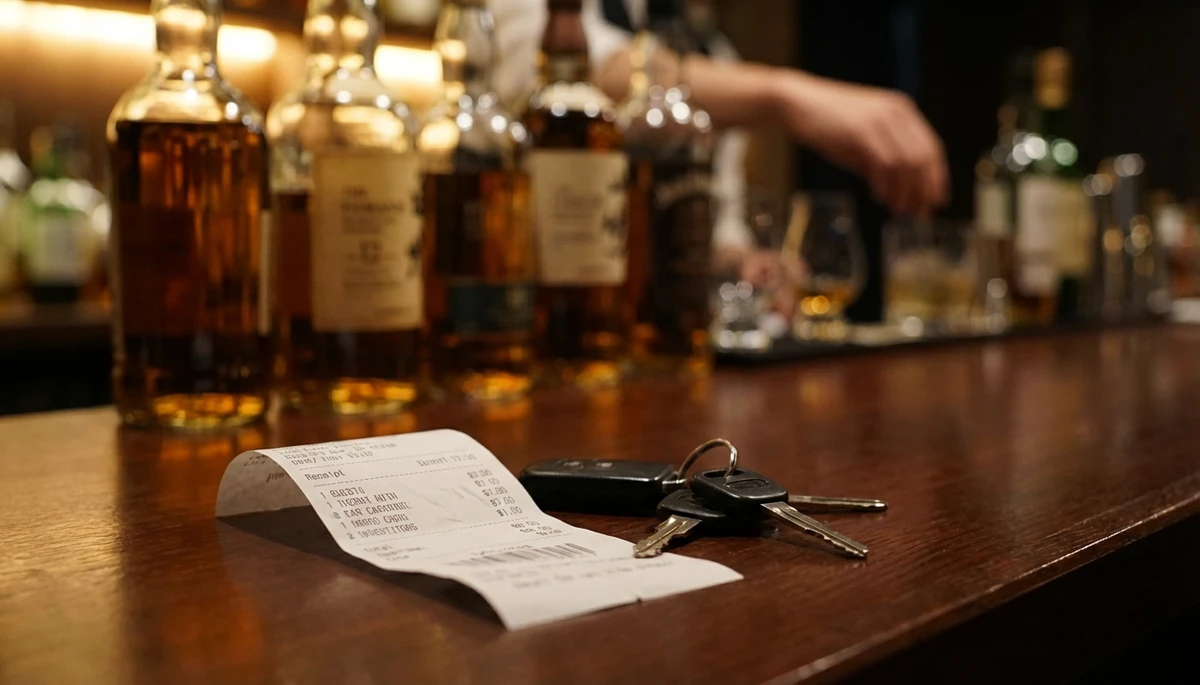
    Bar with empty glasses representing dram shop liability in a drunk driving accident

    NC dram shop laws make it difficult — but not impossible — to hold bars and restaurants liable for serving someone who then causes a drunk driving accident.

    What is a dram shop law?

    “Dram shop” is an old legal term dating back to 18th-century England, when bars sold gin by a unit called a “dram.” Today, dram shop laws hold alcohol-serving establishments — bars, restaurants, breweries, wineries, liquor stores — potentially liable when they serve alcohol irresponsibly and that alcohol leads to someone’s injury.

    The theory is simple: if a bar serves someone who is clearly intoxicated, and that person drives away and causes an accident, the bar bears some responsibility for putting a dangerous driver on the road. Most states agree with this theory. North Carolina… partially agrees, with significant restrictions.

    NC’s dram shop statute: NCGS 18B-121

    North Carolina’s dram shop law is codified at NCGS 18B-121 through 18B-129, and it starts with a rule that surprises most people: there is generally no common law dram shop liability in North Carolina. The legislature specifically abolished common law claims against alcohol sellers. Your only path to holding a bar or restaurant liable is through the statute itself.

    Under NCGS 18B-121, a person who suffers injury caused by an intoxicated individual can sue the establishment that sold or served the alcohol, but only if:

    1. The establishment sold or served alcohol to the person who caused the injury, AND
    2. At the time of sale or service, the person was already visibly intoxicated, OR
    3. The person was under the legal drinking age (under 21), AND
    4. The sale or service of alcohol was a proximate cause of the injuries.

    Every one of those elements has to be proven. Miss one, and the claim fails. Let me break down why each one presents challenges.

    The “visibly intoxicated” problem

    This is where most dram shop claims in NC fall apart. The statute doesn’t say “intoxicated.” It says “visibly intoxicated” — meaning the person had to show outward, observable signs of intoxication at the time they were served. Slurred speech. Stumbling. Glassy eyes. Difficulty walking. That kind of thing.

    The problem is proving it. Bartenders and servers aren’t going to voluntarily testify that they noticed a customer was visibly drunk and served them anyway. The establishment will argue that the person seemed fine, was acting normal, and showed no signs of impairment when they were served their last drink.

    What evidence can help? Surveillance video from the bar. Testimony from other patrons who were there that night. The person’s bar tab showing a large number of drinks in a short time. The person’s BAC at the time of the accident, which — combined with retrograde extrapolation — can help establish what their BAC would have been while still at the bar. Credit card receipts, phone records showing the timeline, and social media posts from that night can all piece together the story.

    Serving a minor: a clearer path to liability

    When a bar or restaurant serves alcohol to someone under 21, the dram shop analysis changes significantly. You don’t need to prove the minor was visibly intoxicated at the time of service. Serving someone underage is itself the violation. You still need to establish causation — the alcohol served to the minor must be a proximate cause of the injuries — but the “visible intoxication” hurdle is removed.

    These cases tend to be stronger because the violation is clearer. The establishment had a legal duty not to serve someone under 21. They failed that duty. If that failure led to a drunk driving accident, they’re liable.

    Proving the establishment knew or should have known the person was underage depends on the circumstances. Did they check ID? Was the ID fake? Was the server trained on age verification? Many establishments have policies requiring ID checks for anyone who appears under a certain age, and failure to follow those policies strengthens the claim.

    Ryan’s Insider Perspective

    When I defended bars and restaurants against dram shop claims, the defense strategy was almost always the same: the bartender says the customer “seemed fine,” there’s no surveillance footage (funny how that happens), and the establishment argues it had responsible service training in place. Knowing those defenses inside and out means I know what evidence to gather early — before the bar has a chance to “lose” the security footage or coach its staff.

    What about social host liability?

    What if the drunk driver wasn’t at a bar? What if they got drunk at a friend’s house party, a wedding reception at someone’s home, or a backyard barbecue?

    North Carolina’s dram shop statute applies to businesses that sell or serve alcohol — it doesn’t cover social hosts. And because common law dram shop liability was abolished, there’s generally no claim against a private individual who served alcohol at a social gathering.

    There is one significant exception: serving alcohol to a minor. Under NCGS 18B-302, it’s illegal to furnish alcohol to someone under 21. If a social host provides alcohol to a minor who then causes a drunk driving accident, the host may face both criminal charges and civil liability. The civil liability theory here relies on negligence per se — the violation of the statute itself establishes negligence.

    For adults served at a private party, however, North Carolina law generally places the responsibility on the person who chose to drink and then drive. The social host isn’t liable for an adult guest’s decision to get behind the wheel.
    Car accident scene involving a drunk driving collision at night

    After a drunk driving accident, your claim may extend beyond just the driver — but NC law makes it harder than most states to hold the alcohol provider accountable.

    When you CAN sue the bar: scenarios where dram shop claims work

    Despite NC’s restrictions, there are scenarios where a dram shop claim is viable and can significantly increase your total recovery:

    The bar continued serving after obvious intoxication

    If there’s evidence the person was stumbling, slurring, or causing a scene and the bar kept pouring drinks, you have a case. Testimony from other bar patrons is often the best evidence. People remember the loud, sloppy drunk at the end of the bar. They remember the bartender handing over another beer.

    Security camera footage captures the evidence

    If the bar has security cameras (and many do, especially near the entrance and bar area), the footage may show the person’s condition at the time they were served. This is the strongest possible evidence in a dram shop case, which is why preserving that footage quickly is so important. Most establishments overwrite their security footage within days or weeks.

    The bar tab tells the story

    If the person’s tab shows they were served twelve drinks in three hours, that’s evidence the bar should have cut them off long before the final pour. Combined with BAC evidence and expert testimony about how impaired someone would be after that volume of alcohol, the bar tab itself can establish visible intoxication.

    The driver was underage

    As I discussed above, serving a minor eliminates the visible intoxication requirement. If a 19-year-old was served at a bar using a fake ID that the bartender barely glanced at, and that person then caused a fatal accident, the bar has serious liability exposure.

    Why suing the bar matters for your recovery

    You might wonder: if the drunk driver is clearly at fault, why bother going after the bar too?

    The answer is practical. Individual drunk drivers often have limited insurance — the NC minimum liability coverage is just $30,000 per person. A person who’s drinking at a bar on a Tuesday night may not have a million-dollar umbrella policy or significant assets. If your injuries are serious — and drunk driving accidents frequently cause catastrophic injuries or wrongful death — the driver’s insurance may not come close to covering your losses.

    Bars and restaurants, on the other hand, carry commercial liability insurance, often with much higher limits. They also have business assets. Adding the establishment as a defendant can be the difference between a recovery that barely covers your medical bills and one that reflects the full extent of your damages.

    Punitive damages in drunk driving cases

    North Carolina law allows punitive damages when the defendant’s conduct was willful or wanton. Drunk driving often meets that standard, especially when the driver’s BAC was significantly above the legal limit or when they had prior DWI convictions.

    If you can establish a dram shop claim, punitive damages may also be available against the establishment — particularly if they had a pattern of over-serving, had been previously cited for alcohol violations, or if the specific conduct was especially reckless (like knowingly serving a minor).

    Punitive damages in NC are capped at three times the compensatory damages or $250,000, whichever is greater (NCGS 1D-25). But in a case involving serious injuries or death, compensatory damages can be substantial, which means the punitive cap can be significant as well.

    The contributory negligence defense

    I need to mention contributory negligence because it comes up in virtually every NC personal injury case. If the defense can show that you were even partially at fault for the accident — you were speeding, you ran a yellow light, you weren’t wearing a seatbelt — they’ll argue contributory negligence as a complete bar to your recovery.

    This applies even in drunk driving cases. Yes, even when the other driver was three times the legal limit. North Carolina’s contributory negligence rule is that harsh. An experienced attorney knows how to anticipate and counter this defense, but it’s something every plaintiff in NC needs to be aware of.

    What to do after a drunk driving accident in NC

    Get medical attention. Your health is the priority. Document your injuries from day one.

    Get the police report. The responding officer’s report will include whether the other driver was arrested for DWI, field sobriety test results, and the driver’s BAC if a breathalyzer or blood test was administered.

    Identify where the driver was drinking. This information may come from the police investigation, the driver’s own statements, or witness accounts. Knowing where the driver drank before the accident is the foundation of any potential dram shop claim.

    Act fast to preserve evidence. Bar surveillance footage, server shift records, POS system data, and the driver’s bar tab can all disappear quickly. Your attorney can send a preservation letter to the establishment demanding they retain this evidence. In some cases, we’ll seek an emergency court order to prevent destruction of evidence.

    Don’t give a recorded statement to any insurance company without legal representation. Both the driver’s insurer and the establishment’s insurer will be looking for ways to limit your claim.

    Contact an attorney who handles drunk driving accident cases. These cases involve multiple potential defendants, different insurance policies, dram shop law, and often criminal proceedings happening simultaneously. You need someone who understands all of those moving parts.

    Frequently asked questions

    Can I sue a bar for serving a drunk driver in North Carolina?

    Yes, but only under limited circumstances. NC’s dram shop law (NCGS 18B-121) requires you to prove the bar served the driver when they were already visibly intoxicated, or that they served someone under 21. You also must prove the service of alcohol was a proximate cause of the accident. NC has more restrictive dram shop laws than most states.

    Can I sue the host of a private party where the driver got drunk?

    Generally, no. NC’s dram shop statute only applies to businesses that sell or serve alcohol. Social hosts are not liable for serving alcohol to adult guests who then drive drunk. The exception is if the host provided alcohol to someone under 21 — in that case, the host may face both criminal and civil liability.

    How long do I have to file a drunk driving accident lawsuit in NC?

    North Carolina’s statute of limitations for personal injury is three years from the date of the accident. For wrongful death claims, it’s two years from the date of death. Dram shop claims follow the same deadlines. However, evidence like bar surveillance footage can be lost within days, so acting quickly is essential even if the deadline seems far away.

    What if the drunk driver doesn’t have enough insurance to cover my injuries?

    This is exactly why dram shop claims matter. Individual drivers often carry minimum coverage ($30,000 per person in NC). Bars and restaurants carry commercial liability policies with much higher limits. If a dram shop claim is viable, it can dramatically increase the total compensation available. Your own uninsured/underinsured motorist coverage is another potential source of recovery.

    Hit by a drunk driver? There may be more to your claim.

    I’ve defended bars against dram shop claims. I know when a claim is viable and how to build it. Let me review your case and identify every potential source of recovery.

    Get a free case review

    Or call (704) 741-9399

    The information on this page is for general informational purposes only and does not constitute legal advice. Every case is different. Contacting Ryan P. Duffy Law does not create an attorney-client relationship. Past results do not guarantee future outcomes.


  • How long does a wrongful death lawsuit take in North Carolina?

    How long does a wrongful death lawsuit take in North Carolina?

    When someone you love dies because of another person’s negligence, you want answers — and you want justice. One of the first questions families ask me is: “How long is this going to take?” The honest answer is that wrongful death lawsuits in North Carolina typically take 1 to 3 years from start to finish, and some cases take longer. That’s not what anyone wants to hear while they’re grieving, but understanding the realistic timeline helps you plan and make better decisions along the way.

    As a former insurance defense attorney who now represents families at the Law Office of Ryan P. Duffy in Belmont, NC, I’ve seen wrongful death cases from both sides. I know what causes delays, what speeds things up, and what families can expect at each stage. Here’s a straightforward breakdown.

    Courthouse in North Carolina representing the wrongful death lawsuit process

    Wrongful death lawsuits in NC involve multiple stages, each with its own timeline and challenges.

    Why wrongful death cases take longer than regular personal injury cases

    Before I walk through the timeline, it’s worth understanding why wrongful death lawsuits tend to take longer than a typical personal injury claim.

    First, there’s an extra legal step that doesn’t exist in other PI cases: someone has to be appointed as the personal representative of the deceased person’s estate. Under N.C. Gen. Stat. § 28A-18-2, only the personal representative (also called the executor or administrator) can file a wrongful death lawsuit in North Carolina. If the deceased person had a will that names an executor, this process moves faster. If there’s no will, someone has to petition the court for appointment as administrator — and that takes time.

    Second, the damages in wrongful death cases are more complex. You’re not just calculating past medical bills and lost wages. You’re estimating a lifetime of lost earnings, the value of lost companionship and guidance, funeral expenses, and more. Building that evidence takes time and often involves expert witnesses like economists and vocational specialists.

    Third, the emotional weight of these cases affects pacing. Families need time to grieve, and attorneys need to be sensitive to that. Rushing a wrongful death case can be counterproductive — both for the family’s wellbeing and for the case outcome.

    Stage 1: Estate appointment (1 to 3 months)

    The first step is getting someone legally authorized to act on behalf of the estate. This happens through the Clerk of Superior Court in the county where the deceased person lived.

    If the deceased person had a will naming an executor, the process is relatively straightforward. The named executor files the will with the court, and the clerk issues “letters testamentary” giving them legal authority. This can happen within a few weeks.

    If there’s no will — which is common, especially with younger victims — someone (usually a spouse or adult child) must petition the court to be appointed as administrator of the estate. The court has a priority list for who can serve as administrator, and if family members disagree about who should serve, the process can take longer. Plan for 1 to 3 months for this stage, though contested situations can stretch it further.

    Your wrongful death attorney can help guide you through this process and coordinate with the clerk’s office to move things along efficiently.

    Stage 2: Investigation and evidence gathering (3 to 6 months)

    Once the personal representative is appointed, the real work begins. Your attorney will investigate the circumstances of the death, gather evidence, and identify all potentially liable parties.

    This stage typically includes:

    • Obtaining the police report, autopsy report, and any toxicology results
    • Collecting medical records from the decedent’s final treatment
    • Preserving physical evidence (vehicle damage, workplace equipment, etc.)
    • Interviewing witnesses
    • Retaining expert witnesses — accident reconstructionists, medical experts, economists
    • Documenting the family’s losses — the decedent’s income history, career trajectory, role in the family
    • Identifying all insurance policies and potential sources of recovery

    This phase is critical because the strength of your case depends on the quality of the investigation. Cutting corners here to save time almost always backfires later. A thorough investigation takes 3 to 6 months, sometimes more in cases involving complex facts — like construction site deaths or medical malpractice cases that require extensive expert review.

    Stage 3: Pre-suit negotiation (3 to 6 months)

    Before filing a lawsuit, most wrongful death attorneys will make a demand to the responsible party’s insurance company. This is a detailed demand package that includes all the evidence gathered during the investigation, a calculation of damages, and a demand for a specific dollar amount.

    The insurance company will then assign a claims adjuster (and possibly outside defense counsel) to evaluate the claim. They’ll conduct their own investigation, review the evidence, and eventually respond — either with a counteroffer, a denial, or a lowball number that doesn’t come close to fair value.

    Pre-suit negotiations can result in a settlement if the liability is clear and the insurance company is acting in good faith. But in wrongful death cases, the stakes are high enough that insurers often dig in and fight harder than they would on a standard injury claim. If we can reach a fair settlement at this stage, the case resolves in roughly 6 to 12 months total. If not, we proceed to litigation.

    Ryan’s Insider Perspective

    Having worked on the defense side, I know how insurance companies evaluate wrongful death claims internally. They assign a “reserve” — an estimate of what they think the case is worth — and their goal is to settle for less than that number. When I send a demand, I structure it to force the adjuster to set a higher reserve, which creates internal pressure on the insurer to negotiate fairly. Understanding the other side’s process gives me a real advantage in these negotiations.

    Attorney reviewing wrongful death case documents and timeline

    Each stage of a wrongful death case requires careful preparation that can’t be rushed.

    Stage 4: Litigation (12 to 24 months)

    If pre-suit negotiations don’t produce a fair settlement, the next step is filing a wrongful death lawsuit in North Carolina Superior Court. Filing the complaint officially starts the litigation process, and it adds significant time to the overall timeline.

    Pleadings and initial motions (1 to 3 months)

    After the complaint is filed, the defendant has 30 days to respond. They’ll typically file an answer denying liability and may file motions to dismiss or other procedural challenges. This initial phase usually takes 1 to 3 months.

    Discovery (6 to 12 months)

    Discovery is the longest phase of litigation. Both sides exchange documents, answer written questions (interrogatories), and take depositions — sworn testimony from parties, witnesses, and expert witnesses. In wrongful death cases, discovery is extensive because the damages are so significant. Depositions alone can take months to schedule and complete.

    Common discovery in wrongful death cases includes depositions of the surviving family members, the defendant, eyewitnesses, first responders, treating physicians, and expert witnesses on both sides. Each deposition needs to be scheduled around everyone’s availability, which creates delays.

    Mediation (1 to 2 months)

    North Carolina courts typically require mediation before a case can go to trial. Mediation is a settlement conference where both sides meet with a neutral mediator who tries to help them reach an agreement. Many wrongful death cases settle at mediation, especially after discovery has revealed the strength of the evidence.

    If mediation succeeds, the case can wrap up without a trial. If it doesn’t, the case moves toward a trial date.

    Trial (1 to 2 weeks, but scheduling adds months)

    The trial itself usually takes 1 to 2 weeks for a wrongful death case, but getting a trial date can add 3 to 6 months or more depending on the court’s calendar. Some NC counties have significant backlogs, which extends the wait time.

    Most wrongful death cases that go through the litigation process settle before trial — often on the courthouse steps or during mediation. But being prepared for trial is what gives you leverage to get a fair settlement.

    Stage 5: Settlement distribution and estate closing

    Even after a settlement or verdict, the process isn’t quite over. In North Carolina, the wrongful death settlement must be approved by the court if minor children are among the beneficiaries. The personal representative must also address any outstanding debts of the estate, including medical liens and workers’ compensation liens.

    Under N.C. Gen. Stat. § 28A-18-2, wrongful death damages are distributed to the decedent’s heirs based on the laws of intestate succession — regardless of what a will says. The court has discretion to allocate the proceeds among eligible beneficiaries, which can involve additional hearings.

    This final stage typically takes 1 to 3 months after the settlement funds are received.

    Total realistic timeline

    Here’s a summary of the typical wrongful death lawsuit timeline in North Carolina:

    • Cases that settle pre-suit: 6 to 12 months
    • Cases that require litigation but settle before trial: 18 months to 3 years
    • Cases that go to trial: 2 to 3+ years

    The average wrongful death case falls somewhere in the 1 to 3 year range. Cases involving government defendants, multiple parties, or complex causation issues can take longer.

    Factors that speed up or slow down the process

    Factors that tend to speed things up

    • Clear liability — the defendant is obviously at fault
    • Adequate insurance coverage — the insurer has enough policy limits to pay a fair settlement
    • A cooperative estate process — no disputes about who serves as personal representative
    • Strong evidence gathered early
    • An insurer acting in good faith

    Factors that tend to slow things down

    • Disputed liability — the defendant denies fault or raises contributory negligence
    • Multiple defendants — each with their own attorneys and insurers
    • Pending criminal proceedings — sometimes the civil case pauses while a criminal case plays out
    • Complex causation — medical malpractice or product liability cases require extensive expert analysis
    • Low insurance limits with potential personal assets at stake — changes the negotiation dynamics
    • Family disputes about the estate or settlement distribution
    • Court backlogs in certain NC counties

    The statute of limitations: don’t wait too long

    North Carolina’s statute of limitations for wrongful death claims is two years from the date of death under N.C. Gen. Stat. § 1-53(4). If you don’t file a lawsuit within that window, you permanently lose your right to pursue a claim.

    Two years might sound like a lot of time, but given that you need to get a personal representative appointed, investigate the case, and attempt pre-suit negotiations before filing, the time goes fast. I recommend contacting an attorney within the first few months after a wrongful death so there’s plenty of time to build the strongest case possible.

    Frequently asked questions

    Can I get compensation before the case is fully resolved?

    In some situations, yes. If liability is clear and the defendant’s insurer wants to avoid further exposure, they may agree to an early partial payment. Your attorney may also be able to negotiate with medical providers and lien holders to defer collection during the case. However, there’s no guaranteed mechanism for interim payments in NC wrongful death cases — the timing depends on the specific circumstances.

    Does a criminal case against the person who caused the death affect the timeline?

    It can. If there’s a pending criminal case — for example, a DWI manslaughter charge — the civil case may proceed in parallel, but the defendant’s criminal defense attorney will often try to limit what the defendant says or does in the civil case until the criminal matter resolves. A criminal conviction can be helpful evidence in the civil case, so sometimes it’s strategically beneficial to wait.

    Who decides how the wrongful death settlement is distributed?

    Under NC law, wrongful death damages go to the decedent’s heirs as determined by the intestate succession statute — not by the decedent’s will. If there’s a surviving spouse and children, the court allocates the settlement among them. If there’s disagreement about the allocation, the court makes the final decision. The personal representative and the beneficiaries’ attorneys can propose a distribution plan, but the judge has the final say.

    Should I accept a quick settlement offer from the insurance company?

    Almost certainly not. Insurance companies sometimes make early offers in wrongful death cases, hoping that a grieving family will accept a fraction of what the case is worth rather than go through a lengthy legal process. Before accepting any offer, have it reviewed by a wrongful death attorney who can evaluate whether it’s fair based on the full scope of your losses. In my experience, early settlement offers in wrongful death cases are rarely adequate.

    Lost a loved one due to someone else’s negligence? I’ll guide your family through every step of the process.

    Free Consultation
    Call 704-741-9399

    This blog post is for general informational purposes only and does not constitute legal advice. Every case is different, and outcomes depend on the specific facts and circumstances involved. Contact the Law Office of Ryan P. Duffy for a free consultation to discuss your specific situation.

  • North Carolina’s Dangerous Dog Laws: How They Affect Your Bite Injury Claim

    North Carolina’s Dangerous Dog Laws: How They Affect Your Bite Injury Claim

    When a dog that’s already been officially declared “dangerous” bites someone, the legal landscape shifts dramatically in the victim’s favor. The owner can’t claim they had no idea their dog was aggressive. The state has already told them — in writing — that their dog poses a risk.

    I spent years as an insurance defense attorney, and I can tell you that a prior dangerous dog designation is one of the hardest facts for the defense to overcome. At the Law Office of Ryan P. Duffy, I help dog bite victims across Belmont and the Charlotte area understand how North Carolina’s dangerous dog laws strengthen their injury claims.

    Warning sign about a dangerous dog posted on a residential fence in North Carolina

    North Carolina law requires owners of designated dangerous dogs to take specific precautions to protect the public.

    What makes a dog “dangerous” under North Carolina law

    North Carolina’s dangerous dog statute, NCGS 67-4.1, creates two separate designations for dogs that have shown aggressive behavior: “potentially dangerous” and “dangerous.” The distinction matters for your claim.

    Potentially dangerous dogs

    A dog can be designated as “potentially dangerous” if it:

    • Has inflicted a bite on a person that resulted in broken bones, disfiguring lacerations, or required cosmetic surgery or hospitalization
    • Has killed or inflicted severe injury on a domestic animal when not on the owner’s property
    • Has been determined by the person or board designated by the county or municipality to be potentially dangerous based on its behavior

    Dangerous dogs

    A dog receives the more serious “dangerous” designation if it:

    • Has killed or inflicted severe injury on a person
    • Is determined by the person or board designated by the county or municipality to be dangerous based on its behavior, posing a serious threat of bodily harm

    The designation process typically starts with a complaint to local animal control. The county or municipality then holds a hearing where evidence is presented about the dog’s behavior. If the dog is designated, the owner receives written notice and a set of legal obligations they must follow.

    Owner obligations after a dangerous dog designation

    Once a dog has been officially designated as dangerous or potentially dangerous, North Carolina law imposes specific requirements on the owner under NCGS 67-4.2. These requirements exist to protect the public — and when an owner violates them, it strengthens your injury claim significantly.

    Owners of dangerous dogs must:

    • Register the dog with the local animal control authority and pay any required registration fee
    • Keep the dog confined in a secure enclosure or on a leash and muzzle when outside the enclosure
    • Post warning signs on their property that a dangerous dog is present — the sign must be clearly visible and placed at each entrance
    • Notify animal control within 24 hours if the dog escapes, is sold, given away, or dies
    • Notify the new owner in writing if the dog is transferred to someone else, and notify animal control of the transfer
    • Maintain liability insurance coverage of at least $100,000 to cover injuries inflicted by the dog (for dogs designated as “dangerous”)

    If a “potentially dangerous” dog that’s already been designated goes on to kill or inflict severe injury, the owner faces a Class 1 misdemeanor under North Carolina law. If a “dangerous” dog does the same, the owner could face felony charges.

    How a prior designation strengthens your bite injury claim

    In a standard dog bite case in North Carolina, one of the biggest hurdles is proving the owner knew or should have known their dog was dangerous. This is part of establishing negligence. The owner will often claim they had no idea their sweet, gentle pet would ever bite anyone.

    A prior dangerous dog designation eliminates that argument entirely. The county or municipality has already made an official determination that the dog is dangerous. The owner received written notice. They were told what they needed to do to protect the public. If they failed to follow those requirements and someone got hurt, their negligence is extremely difficult to dispute.

    Specifically, a prior designation helps your claim in these ways:

    It establishes knowledge

    The owner can’t claim ignorance. They were formally notified that their dog poses a danger to people. In legal terms, this satisfies the “scienter” requirement — the owner’s knowledge of the animal’s dangerous propensity.

    Violations of the statute become negligence per se

    If the owner failed to follow the confinement, leash, muzzle, insurance, or signage requirements under NCGS 67-4.2, that failure can constitute negligence per se. This means the owner violated a safety statute, and that violation directly led to your injury. You don’t have to separately prove they acted unreasonably — the statute violation does it for you.

    It increases the value of your claim

    Insurance companies know that a prior dangerous dog designation looks terrible in front of a jury. An owner who was warned that their dog was dangerous and then failed to protect the public from that dog is going to generate sympathy for the victim, not the defendant. Adjusters factor this into their settlement evaluations.

    Ryan’s Insider Perspective

    From my years on the defense side, I can tell you that cases involving previously designated dangerous dogs are the ones insurance companies want to settle quickly and quietly. A jury seeing that the owner was formally warned about their dog — and then someone got hurt anyway — is about as bad as it gets for the defense. If you were bitten by a dog with a prior dangerous designation, your leverage in settlement negotiations is substantial.

    Animal control officer documenting a dog bite incident at a North Carolina residence

    Animal control records of prior incidents are powerful evidence in dog bite injury claims.

    How to find out if a dog has a prior dangerous designation

    If you’ve been bitten by a dog, you should find out whether that dog has a prior dangerous or potentially dangerous designation. This information can significantly impact the strength and value of your claim.

    Start with these steps:

    • Contact your local animal control agency. In Gaston County, that’s Gaston County Animal Care and Enforcement. In Mecklenburg County, it’s Charlotte-Mecklenburg Animal Care & Control.
    • File a formal dog bite report if you haven’t already. Animal control will investigate and check their records for prior complaints or designations involving that dog.
    • Ask neighbors. People who live near the dog’s owner may know about prior incidents, complaints, or aggressive behavior that was never formally reported.
    • Check court records. If a prior designation was contested, there may be records of hearings or appeals in the county court system.

    An experienced dog bite attorney can also subpoena animal control records and investigate the dog’s history as part of building your case.

    What if the dog doesn’t have a prior designation?

    You can still bring a dog bite injury claim even if the dog has never been designated as dangerous. A prior designation makes the case stronger, but it isn’t required. North Carolina allows dog bite claims based on common law negligence, and in certain circumstances, strict liability applies under NCGS 67-4.4 when a dog was running at large at night.

    Other evidence that can establish the owner’s knowledge of dangerousness includes:

    • Prior bites that were reported to animal control but didn’t result in a formal designation
    • Complaints from neighbors about aggressive behavior
    • The dog’s breed-specific behavior patterns and the owner’s awareness of them
    • The owner’s own statements about the dog’s temperament
    • Evidence that the dog had lunged at, chased, or threatened people before

    Be aware that North Carolina’s contributory negligence rule applies to dog bite cases too. If the insurance company can show you were partly at fault — by provoking the dog, trespassing, or ignoring warning signs — they’ll argue your claim should be barred entirely. That’s why working with an attorney who understands both sides of these cases matters.

    Frequently asked questions

    What’s the difference between “potentially dangerous” and “dangerous” under NC law?

    A “potentially dangerous” dog has inflicted a serious bite (broken bones, disfiguring lacerations) or severely injured a domestic animal off its owner’s property. A “dangerous” dog has killed or inflicted severe injury on a person. The “dangerous” designation carries stricter requirements, including mandatory liability insurance of at least $100,000 and potential felony charges if the dog injures someone again.

    Can a dangerous dog designation be appealed by the owner?

    Yes. Under NCGS 67-4.1, the owner can appeal the determination to the district court within 10 days of receiving notice. The court will hold a hearing and can uphold, modify, or reverse the designation. Even if the designation was appealed, the fact that a complaint was filed and a hearing was held can still be useful evidence in your injury claim.

    Does North Carolina require dangerous dog owners to carry liability insurance?

    Yes — for dogs designated as “dangerous” (not just “potentially dangerous”). Under NCGS 67-4.2, the owner must maintain liability insurance of at least $100,000 to cover injuries or property damage inflicted by the dog. If the owner failed to maintain this required insurance, that’s another violation that strengthens your claim.

    What should I do if I was bitten by a dog I believe has bitten someone before?

    Report the bite to animal control immediately and seek medical attention. Then contact a personal injury attorney who can investigate the dog’s history. Prior bite reports, animal control records, and neighbor testimony can all be used to establish that the owner knew their dog was dangerous. Even informal prior incidents — growling, lunging, chasing — can support your claim.

    Bitten by a dog with a history of aggression? I’ll investigate the dog’s record and use NC’s dangerous dog laws to build the strongest possible case for your recovery.

    Free Consultation
    Call 704-741-9399

    This blog post is for general informational purposes only and does not constitute legal advice. Every case is different, and outcomes depend on the specific facts and circumstances involved. Contact the Law Office of Ryan P. Duffy for a free consultation to discuss your specific situation.

  • Crosswalk Accidents in North Carolina: Who Is at Fault?

    Crosswalk Accidents in North Carolina: Who Is at Fault?

    You were in the crosswalk. The light was in your favor. A driver hit you anyway. Open-and-shut case, right? Not in North Carolina. This state’s contributory negligence rule means that even a small mistake by the pedestrian — stepping off the curb a second too early, looking at your phone — can potentially bar your entire claim.

    I spent years as an insurance defense attorney, and pedestrian crosswalk cases were some of the most aggressively defended claims I worked on. Insurance companies know that juries often want to assign at least some blame to the pedestrian. At the Law Office of Ryan P. Duffy, I now use that knowledge to help injured pedestrians in Belmont and across the Charlotte metro area avoid the traps that sink these cases.

    Marked crosswalk at a busy North Carolina intersection with pedestrian crossing signal

    Crosswalk accidents raise complex fault questions under North Carolina’s strict negligence laws.

    What North Carolina law says about crosswalk rights

    Two statutes govern crosswalk interactions between drivers and pedestrians in North Carolina. Understanding both is important because the insurance company will use whichever one helps their defense.

    Driver duties under NCGS 20-173

    NCGS 20-173 requires drivers to yield the right-of-way to pedestrians in marked crosswalks and at intersections with traffic signals. When a pedestrian is lawfully in a crosswalk, drivers must stop or slow down to allow the pedestrian to cross safely.

    This statute also requires drivers approaching a crosswalk where another vehicle has stopped to yield to allow a pedestrian to cross. You can’t just swing around the stopped car and blow through the crosswalk.

    Pedestrian duties under NCGS 20-174

    This is the statute insurance companies love. NCGS 20-174 imposes duties on pedestrians, including:

    • Pedestrians must obey traffic control signals — you can’t enter a crosswalk against a “Don’t Walk” signal
    • Pedestrians crossing at any point other than a marked crosswalk or unmarked crosswalk at an intersection must yield the right-of-way to vehicles
    • Pedestrians must not suddenly leave a curb or other place of safety and walk or run into the path of a vehicle that is so close it’s impossible for the driver to yield

    That last provision is the one that comes up most often in crosswalk accident disputes. Even when you’re in a crosswalk with a walk signal, the insurance company will argue you darted into traffic without giving the driver time to react.

    Marked crosswalks vs. unmarked crosswalks

    Most people think of crosswalks as those painted white lines on the road. But North Carolina law recognizes unmarked crosswalks too — the natural extensions of sidewalks across intersections, even when no paint is on the ground.

    The distinction matters for fault analysis:

    Marked crosswalks have painted lines, and often have pedestrian signals. Drivers have clear notice that pedestrians may be crossing. When a pedestrian is hit in a marked crosswalk with a walk signal, the driver’s duty to yield is at its strongest.

    Unmarked crosswalks exist at intersections even without painted lines. Drivers still have a duty to yield at these locations, but the defense will argue the driver had less notice of pedestrian activity. These cases tend to be harder to win, but they’re far from impossible.

    Mid-block crossings — crossing the street somewhere other than at a crosswalk or intersection — flip the duty entirely. Under NCGS 20-174, a pedestrian crossing mid-block must yield to vehicles. If you’re hit while jaywalking, the fault analysis starts in a very different place.

    Contributory negligence: the biggest threat to your pedestrian claim

    North Carolina is one of only a handful of states that still follows pure contributory negligence. In most states, if you’re 10 percent at fault for your injuries, your compensation is reduced by 10 percent. In North Carolina, if you’re found even 1 percent at fault, you can be barred from recovering anything.

    This rule makes crosswalk accident cases treacherous for pedestrians. Insurance companies will look for any behavior they can use to argue contributory negligence:

    • Entering the crosswalk when the countdown timer had already started
    • Looking at a phone instead of watching for traffic
    • Wearing dark clothing at night without reflective gear
    • Walking against the signal, even briefly
    • Stepping into the crosswalk when a turning vehicle was approaching
    • Wearing headphones and failing to hear a vehicle

    None of these behaviors justify a driver hitting a pedestrian. But in the world of North Carolina contributory negligence, they can be used to destroy an otherwise strong claim.

    Ryan’s Insider Perspective

    On the defense side, contributory negligence was the go-to strategy in almost every pedestrian case I worked. We would scour the evidence — surveillance video, witness statements, the pedestrian’s own phone records — looking for anything that suggested the pedestrian wasn’t paying full attention. The goal wasn’t to prove the driver was blameless. It was to prove the pedestrian contributed even slightly to what happened. That’s all you need in North Carolina to deny the claim.

    Pedestrian signal at a crosswalk showing a walk sign at a North Carolina intersection

    Obeying pedestrian signals is important, but it doesn’t guarantee fault falls entirely on the driver.

    Common crosswalk accident scenarios and how fault is determined

    Right-turning driver hits pedestrian in crosswalk

    This is one of the most common crosswalk accidents. A driver making a right turn on green focuses on checking for oncoming traffic from the left and never looks right to check for pedestrians in the crosswalk. The driver’s fault is typically clear here — they have a duty to check for pedestrians before completing the turn. However, the defense will still look for contributory negligence arguments, such as whether the pedestrian entered the crosswalk against the signal.

    Left-turning driver hits pedestrian

    Left turns create a similar dynamic but with added complexity. The driver is focused on finding a gap in oncoming traffic and may not see a pedestrian who has already entered the crosswalk. Fault usually lies with the driver, but the speed at which the pedestrian entered the crosswalk and whether the walk signal was active become contested issues.

    Pedestrian hit in unmarked crosswalk at intersection

    When there’s no marked crosswalk, fault disputes intensify. The driver will argue they had no reason to expect a pedestrian at that location. But under North Carolina law, the driver still has a duty to watch for pedestrians crossing at intersections. The key question is whether the pedestrian gave the driver a reasonable opportunity to see them and stop.

    Pedestrian hit while countdown timer was active

    Many crosswalk signals show a flashing countdown before switching to “Don’t Walk.” If you entered the crosswalk during the countdown and got hit, the insurance company will argue you should have waited for the next cycle. The legal analysis depends on whether you had enough time to complete the crossing when you entered — entering a crosswalk during a countdown isn’t automatically negligent if you reasonably believed you could cross safely.

    What to do after a crosswalk accident

    The steps you take after being hit in a crosswalk can make or break your claim. Pedestrian accident cases live and die on the evidence available, so collecting it quickly matters.

    1. Call 911 and get medical attention. Even if you feel okay, adrenaline masks injuries. Many pedestrian accident injuries — concussions, internal bleeding, soft tissue damage — don’t show symptoms immediately.
    2. Stay at the scene if you’re physically able. Talk to the responding officer and give your account of what happened. The police report is a key piece of evidence.
    3. Document the scene. If you can, photograph the crosswalk, the traffic signals, the driver’s vehicle, any skid marks, and the damage to the vehicle where it struck you. Note the time of day, lighting conditions, and weather.
    4. Get witness information. Other pedestrians, nearby business employees, and other drivers may have seen the accident. Their testimony can corroborate your version of events.
    5. Don’t give recorded statements to the driver’s insurance company. The adjuster will ask leading questions designed to establish contributory negligence. Talk to an attorney first.

    My guide on what to do after an accident in North Carolina covers these steps in detail. For specific information about pedestrian accident claims, visit my pedestrian accident attorney page.

    Frequently asked questions

    Is the driver always at fault when a pedestrian is hit in a crosswalk in NC?

    No. While drivers have a duty to yield to pedestrians in crosswalks under NCGS 20-173, pedestrians also have duties under NCGS 20-174 — including obeying traffic signals and not suddenly entering the crosswalk when a vehicle is too close to stop. North Carolina’s contributory negligence rule means even minor fault by the pedestrian can bar recovery.

    Can I recover compensation if I was hit outside a crosswalk?

    It depends on the circumstances. Under NCGS 20-174, pedestrians crossing outside a crosswalk must yield to vehicles. But that doesn’t give drivers a free pass to hit jaywalkers. If the driver was speeding, distracted, or had time to avoid the collision and didn’t, you may still have a claim. These cases are harder, but an experienced attorney can evaluate the specific facts.

    What is an unmarked crosswalk under North Carolina law?

    An unmarked crosswalk is the natural extension of a sidewalk or walkway across a road at an intersection. Even without painted lines on the pavement, the law treats these areas as crosswalks where drivers must yield to pedestrians. However, proving you were in an unmarked crosswalk — rather than jaywalking — requires evidence of the intersection layout and your position when you were hit.

    How does contributory negligence affect my crosswalk accident claim?

    Contributory negligence is a complete bar to recovery in North Carolina. If the insurance company or jury finds that you were even partially at fault — for entering the crosswalk against the signal, not watching for traffic, or any other reason — you could receive nothing. The exception is the “last clear chance” doctrine, which may still allow recovery if the driver had the last opportunity to avoid the collision and failed to take it.

    Hit by a car in a crosswalk? North Carolina’s contributory negligence rule makes these cases complicated. I’ll review the evidence, counter the insurance company’s fault arguments, and fight for the full compensation you deserve.

    Free Consultation
    Call 704-741-9399

    This blog post is for general informational purposes only and does not constitute legal advice. Every case is different, and outcomes depend on the specific facts and circumstances involved. Contact the Law Office of Ryan P. Duffy for a free consultation to discuss your specific situation.

  • Dog Bite Infections: Why Quick Medical Treatment Matters for Your Health and Your Claim

    Dog Bite Infections: Why Quick Medical Treatment Matters for Your Health and Your Claim

    A dog bite that looks minor at the emergency room can turn into a serious infection within 24 hours. I’ve seen insurance companies use delayed medical treatment as their primary weapon to reduce or deny dog bite claims — and the frustrating part is that the delay also puts your health at genuine risk.

    As a former insurance defense attorney, I know exactly how adjusters evaluate dog bite infection cases. They look for gaps in treatment the same way they look for gaps in car accident care. At the Law Office of Ryan P. Duffy, I use that insider knowledge to help dog bite victims in Belmont and across North Carolina protect both their health and their right to compensation.

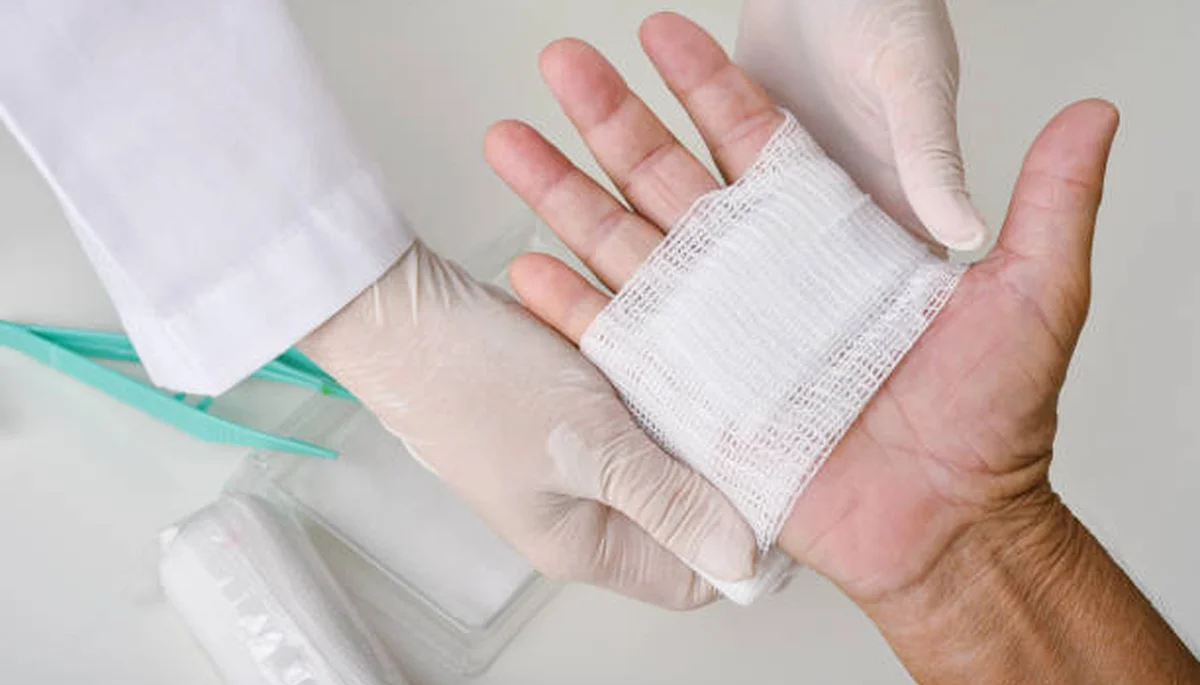
    Close-up of a dog bite wound on a person's forearm requiring medical attention

    Dog bites carry bacteria that can cause dangerous infections if not treated promptly.

    Dog bites are more dangerous than most people realize

    People tend to think of dog bites the way they think of cuts or scrapes — clean it up, slap a bandage on it, and move on. That’s a mistake. A dog’s mouth harbors dozens of bacterial species that can cause rapid, aggressive infections in human tissue.

    According to the American Academy of Pediatrics, roughly 15 to 20 percent of dog bite wounds become infected. That number climbs significantly for bites to the hands, feet, and face, where blood flow patterns make it harder for your immune system to fight off bacteria.

    The most common infections from dog bites include:

    • Pasteurella — found in over 50 percent of infected dog bite wounds. Symptoms can appear within hours, including redness, swelling, and discharge from the wound.
    • Staphylococcus and MRSA — staph bacteria that can cause skin infections, abscesses, and in severe cases, bloodstream infections that require hospitalization.
    • Capnocytophaga — a bacterium that can cause life-threatening sepsis, particularly in people with weakened immune systems.
    • Rabies — rare in domestic dogs but still a concern, especially with stray or unvaccinated animals. Rabies is almost always fatal once symptoms appear.
    • Tetanus — deep puncture wounds from dog bites create the low-oxygen environment where tetanus bacteria thrive.

    Puncture wounds are especially problematic. A dog’s teeth push bacteria deep into tissue and then the skin closes over the top, trapping the infection underneath where you can’t see it developing.

    What proper medical treatment looks like after a dog bite

    If you’ve been bitten by a dog, get to an urgent care or emergency room as soon as possible — ideally within a few hours. Don’t wait to see if the wound “gets worse.” By the time visible infection sets in, the bacteria have had a significant head start.

    Proper medical treatment for a dog bite typically involves:

    • Thorough wound irrigation — flushing the bite with saline or antiseptic solution to remove as much bacteria as possible
    • Assessment of tissue damage — checking for torn muscles, damaged tendons, or fractured bones underneath the bite
    • Prophylactic antibiotics — most doctors will prescribe antibiotics before infection develops, especially for puncture wounds, hand bites, or bites in patients with diabetes or immune deficiencies
    • Tetanus booster if your vaccination isn’t current
    • Rabies post-exposure prophylaxis if the dog’s vaccination status is unknown
    • Wound closure decisions — many dog bite wounds are left open initially to allow drainage, which reduces infection risk

    Follow-up visits matter too. Your doctor will want to check the wound at 24 to 48 hours and again at one week to catch any developing infection early.

    How delayed treatment hurts your legal claim

    From a legal standpoint, the timing of your medical treatment creates a paper trail that insurance adjusters scrutinize closely. When I worked on the defense side, gaps in treatment were one of the first things we looked for in dog bite cases.

    The argument goes like this: if you were really hurt badly enough to deserve significant compensation, why did you wait three days to see a doctor? The insurance company won’t say this to your face. But it’s the argument they’ll make to reduce your settlement.

    Delayed treatment creates problems in several ways:

    It undermines your credibility

    Adjusters and defense attorneys will argue that the gap between the bite and your doctor visit means the injury wasn’t that serious. Even if the wound later became infected and required surgery, they’ll point to those first few days of inaction as evidence that you’re exaggerating.

    It creates causation disputes

    When you don’t get treated right away, the insurance company can argue that something else caused your infection. Maybe you didn’t keep the wound clean. Maybe you exposed it to bacteria from a different source. Prompt treatment and clear medical records eliminate these arguments before they start.

    It reduces your documented damages

    Medical records are the backbone of any personal injury claim. Every doctor visit, every prescription, every diagnostic test creates documentation that supports the value of your case. Gaps in treatment mean gaps in documentation — and gaps in documentation mean lower settlement offers.

    Ryan’s Insider Perspective

    When I defended insurance companies in dog bite claims, delayed treatment was the easiest argument to make. Jurors understand it intuitively — if someone waits a week to see a doctor, the natural reaction is to wonder how bad the injury really was. The best way to take that weapon away from the insurance company is to get treated immediately and follow every recommendation your doctor makes.

    Medical professional examining and treating a wound on a patient's arm

    Prompt medical documentation strengthens both your recovery and your legal claim.

    North Carolina dog bite liability and your infection claim

    North Carolina follows a “one bite” rule for most dog bite cases, but the state also has strict liability provisions that can apply regardless of whether the dog has bitten someone before. Under NCGS 67-4.4, a dog owner is strictly liable if their dog was running at large at night and caused injury.

    For other situations, your claim may rest on proving the owner knew or should have known the dog was dangerous. An infection that developed because of the bite is part of your compensable damages — but only if you can connect it directly to the bite through timely medical records.

    Damages in a dog bite infection case can include:

    • Emergency room and urgent care bills
    • Antibiotic prescriptions and IV antibiotic treatment
    • Surgical debridement or drainage of abscesses
    • Hospitalization for severe infections like sepsis
    • Follow-up wound care and plastic surgery for scarring
    • Lost wages during recovery
    • Pain and suffering, including the fear and anxiety that often follows a dog attack

    If you were bitten by a dog in Belmont, Gastonia, or anywhere in the Charlotte metro area, my dog bite attorney page explains how North Carolina’s liability rules apply to your specific situation.

    Steps to protect yourself after a dog bite

    The first few hours and days after a dog bite set the trajectory for both your medical recovery and your legal claim. Take these steps:

    1. Get medical treatment immediately. Don’t wait to see how it looks tomorrow. Go to urgent care or the ER today.
    2. Document the wound. Take photos before it’s cleaned and bandaged, then take follow-up photos every day to show how it progresses.
    3. Identify the dog and its owner. Get the owner’s name, address, and phone number. Ask about the dog’s vaccination history.
    4. Report the bite to animal control. In Gaston County, contact the Gaston County Animal Care and Enforcement. This creates an official record and triggers a quarantine or investigation of the dog.
    5. Follow your doctor’s instructions completely. Take all prescribed antibiotics for the full course. Attend every follow-up appointment. Keep the wound clean and covered as directed.
    6. Talk to a personal injury attorney before talking to the dog owner’s insurance company. The adjuster is not trying to help you — they’re building a file to minimize your payout.

    If you’re unsure what to do in the immediate aftermath of any injury, my guide on what to do after an accident in North Carolina covers the general principles that apply across all personal injury cases.

    Frequently asked questions

    How soon after a dog bite should I see a doctor?

    As soon as possible — ideally within a few hours. Bacteria from a dog’s mouth can begin multiplying in the wound immediately. Even if the wound looks small, puncture bites push bacteria deep into tissue where topical cleaning can’t reach. Early medical intervention dramatically reduces infection risk and creates the documentation you’ll need for an insurance claim.

    Can I sue for a dog bite infection in North Carolina?

    Yes. An infection that develops from a dog bite is part of your compensable damages. You can recover the cost of treating the infection, any additional lost wages, and the additional pain and suffering the infection caused. The key is connecting the infection to the bite through medical records that show a clear timeline from the initial wound to the developing infection.

    What if I waited a few days to get treated and now the bite is infected?

    You should still see a doctor immediately and still talk to an attorney. Delayed treatment doesn’t automatically destroy your claim — it just gives the insurance company an argument to reduce it. An experienced dog bite attorney can work with your medical records to build the strongest possible case even if you didn’t get treatment on day one.

    Does the dog owner’s homeowner’s insurance cover dog bite infections?

    In most cases, yes. Homeowner’s and renter’s insurance policies typically include liability coverage for dog bites, including the medical costs of treating infections. Some policies exclude certain breeds or dogs with prior bite histories. The insurance company will send an adjuster to evaluate your claim — and that adjuster’s job is to pay as little as possible, not to make sure you’re fairly compensated.

    Bitten by a dog? Don’t wait to get medical treatment or legal advice. I offer free consultations and handle dog bite cases on contingency — you pay nothing unless I recover compensation for you.

    Free Consultation
    Call 704-741-9399

    This blog post is for general informational purposes only and does not constitute legal advice. Every case is different, and outcomes depend on the specific facts and circumstances involved. Contact the Law Office of Ryan P. Duffy for a free consultation to discuss your specific situation.

  • Uninsured and Underinsured Motorist Coverage in NC: What You Need to Know

    Uninsured and Underinsured Motorist Coverage in NC: What You Need to Know

    If you’re hit by a driver who has no insurance — or doesn’t have enough insurance to cover your injuries — you might think you’re out of luck. You’re not. North Carolina law requires every auto insurance policy to include uninsured motorist (UM) and underinsured motorist (UIM) coverage. That coverage exists specifically for this situation.

    But here’s what most people don’t realize until it’s too late: filing a UM or UIM claim means going up against your own insurance company. And your own insurer isn’t always on your side. I’ve handled these claims from both the defense and plaintiff side, and I can tell you that UM/UIM claims are some of the most misunderstood — and most contentious — cases in personal injury law.

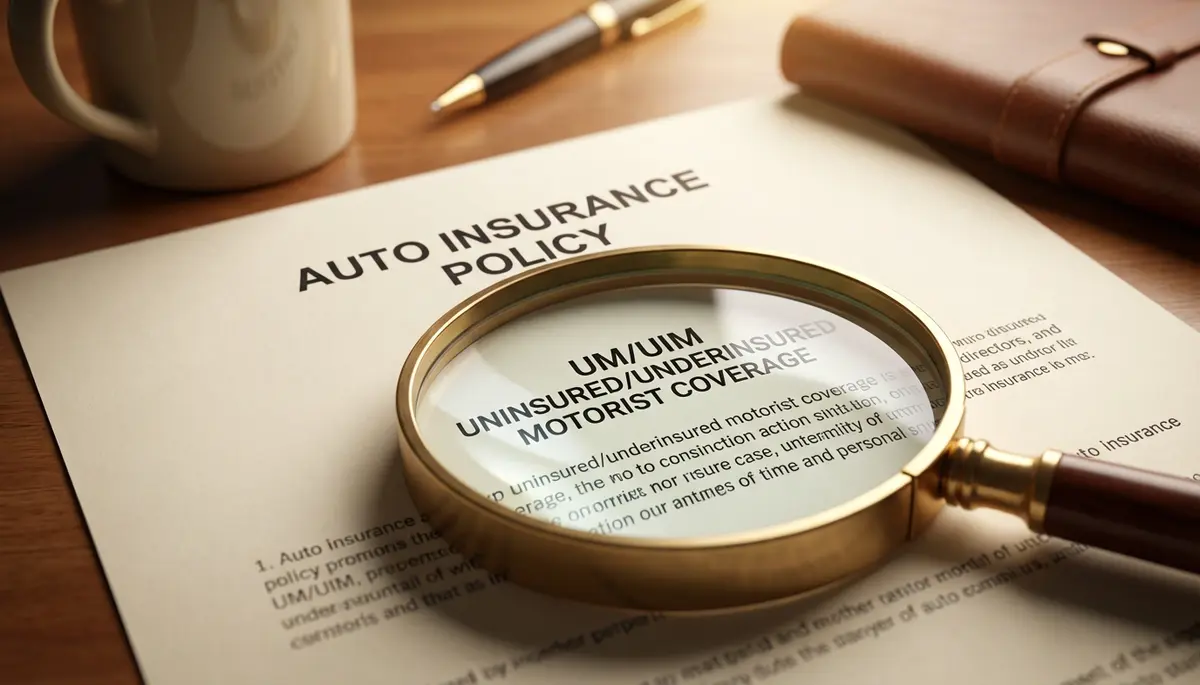
    Auto insurance policy documents for uninsured motorist coverage in North Carolina

    Every auto insurance policy in NC must include UM/UIM coverage — but most people don’t understand how it works.

    What UM and UIM coverage actually means

    Let’s start with the basics because the terminology confuses a lot of people.

    Uninsured motorist (UM) coverage protects you when the at-fault driver has no liability insurance at all. It also covers hit-and-run accidents where the other driver can’t be identified. Despite NC’s mandatory insurance law (NCGS § 20-309), roughly 1 in 7 drivers on the road is uninsured. If one of them hits you, your UM coverage steps in to pay for your injuries.

    Underinsured motorist (UIM) coverage kicks in when the at-fault driver has insurance, but their policy limits aren’t enough to cover your damages. Say you’re seriously injured and have $200,000 in medical bills, lost wages, and pain and suffering. If the other driver only has $30,000 in liability coverage (the NC minimum), their insurance pays that $30,000, and your UIM coverage can make up the difference — up to your own policy limits.

    Under North Carolina General Statutes § 20-279.21(b)(3), every auto policy issued in the state must include UM/UIM coverage in an amount equal to at least the liability limits of the policy. You can reject UM/UIM coverage in writing, but most people don’t — and for good reason.

    When you need UM/UIM coverage

    You might think you’ll never need this coverage. Most people don’t think about it until they’re in one of these situations.

    Hit-and-run accidents

    The other driver flees the scene and can’t be identified. Without UM coverage, you’d have no one to claim against for your injuries. In NC, you can file a UM claim for a hit-and-run, but you’ll need to report the accident to law enforcement promptly and show physical contact between the vehicles (or, in some cases, corroborating evidence).

    The at-fault driver has no insurance

    This happens more often than you’d expect. The other driver might have let their policy lapse, been driving someone else’s uninsured car, or never had insurance in the first place. Your UM coverage protects you regardless of the other driver’s irresponsibility.

    The at-fault driver’s insurance isn’t enough

    North Carolina only requires $30,000 per person / $60,000 per accident in liability coverage. That’s not a lot. A single ER visit, an MRI, and a few weeks of physical therapy can blow through $30,000 quickly. If you have serious injuries — a herniated disc, broken bones, or a concussion — the at-fault driver’s minimum policy won’t come close to covering your damages. That’s where your UIM coverage fills the gap.

    How UM/UIM claims work in North Carolina

    Filing a UM or UIM claim is different from a standard third-party insurance claim. There are specific rules and procedures you need to follow.

    The exhaustion requirement for UIM claims

    Before you can tap your UIM coverage, you generally need to exhaust the at-fault driver’s liability policy first. That means you’ll need to settle with (or get a judgment against) the other driver’s insurer for their full policy limits before your UIM carrier will pay.

    There’s an important procedural step here. Under NC law, before you accept the at-fault driver’s policy limits, you must notify your own UIM insurer and give them the opportunity to consent to the settlement or substitute their own payment. If you settle with the at-fault driver’s insurer without giving your UIM carrier proper notice, you could jeopardize your UIM claim. This is a mistake I’ve seen people make, and it’s one reason having an attorney handle the process matters.

    Your own insurer becomes your adversary

    This is the part that catches people off guard. When you file a UM or UIM claim, you’re making a claim against your own insurance company. And your own insurance company will treat it like any other claim — they’ll investigate, question your injuries, and try to minimize what they pay.

    Your insurer may hire defense attorneys to fight your claim. They may send you to an independent medical examination (IME) — which is really a defense medical exam — where a doctor hired by the insurance company evaluates your injuries and often downplays them. They’ll raise contributory negligence if they can. They’ll question your treatment. In short, they’ll do everything the other driver’s insurance company would do.

    Ryan’s Insider Perspective

    I’ve defended insurance companies against their own policyholders’ UM/UIM claims. The approach is identical to defending any liability claim — find weaknesses in the plaintiff’s case, question the medical treatment, look for contributory negligence, and minimize the payout. Your insurer was happy to cash your premium check every month, but the moment you file a UM/UIM claim, the relationship changes. You’re no longer a customer. You’re a claimant. Don’t expect loyalty.

    Stacking UM/UIM coverage in North Carolina

    “Stacking” is a term that refers to combining UM/UIM coverage from multiple policies or multiple vehicles on the same policy to increase your available coverage. Whether you can stack depends on your specific situation.

    In NC, stacking is generally allowed when you have multiple vehicles on one policy, unless the policy specifically contains a valid anti-stacking provision. If you have two cars on your policy with $100,000 in UM/UIM coverage each, you might be able to stack them for $200,000 in total coverage. But insurance companies fight stacking claims aggressively, and the case law on this topic has evolved over the years.

    You may also be able to access UM/UIM coverage from other policies. For example, if you were a passenger in someone else’s car when the accident happened, you might be able to claim under both the vehicle owner’s policy and your own policy. The rules around this are technical and fact-specific, so talk to an attorney if you think stacking could apply to your case.

    Auto insurance policy declaration page showing UM UIM coverage limits

    Check your policy’s declaration page to see your UM/UIM limits — they could make or break your recovery.

    How much UM/UIM coverage should you carry?

    NC’s minimum liability requirements are $30,000 per person and $60,000 per accident. Since UM/UIM coverage must match your liability limits (unless you’ve rejected it in writing), most people carry at least that much.

    But the minimum often isn’t enough. If you’re in a serious accident with an uninsured driver and your UM limit is only $30,000, that might not cover your medical bills, let alone your lost wages and pain and suffering.

    I tell clients to carry as much UM/UIM coverage as they can reasonably afford. Bumping from $30,000 to $100,000 or even $250,000 in UM/UIM coverage is surprisingly cheap — often just a few dollars more per month. Given how many uninsured and underinsured drivers are on NC roads, it’s some of the best value in your entire policy.

    Think of it this way: your UM/UIM coverage is the one part of your auto policy that directly protects you and your family. Liability coverage protects other people you might injure. UM/UIM coverage is there for you when someone else fails to carry adequate insurance.

    Steps to take if you need to file a UM/UIM claim

    If you’ve been in an accident with an uninsured or underinsured driver, here’s what you should do to protect your claim.

    Report the accident to police. This is always step one, but it’s especially important for UM claims involving hit-and-run accidents. A police report creates an official record of the incident. Check out my full guide on what to do after a car accident in North Carolina.

    Notify your own insurance company. Report the accident to your insurer promptly. Your policy likely requires timely notice, and delaying can give the insurance company an excuse to complicate your claim.

    Don’t give a recorded statement without an attorney. Your own insurer may ask for a recorded statement. While your policy’s cooperation clause may require you to provide one eventually, you should have an attorney present to protect your interests. The questions your own insurer asks in a UM/UIM claim are just as strategic as the ones the other side would ask.

    Document everything. Keep records of all medical treatment, out-of-pocket expenses, lost work time, and correspondence with insurance companies. The more documentation you have, the harder it is for the insurer to dispute your damages.

    Be aware of time limits. North Carolina’s statute of limitations for personal injury claims applies to UM/UIM claims as well. Don’t wait too long to take action.

    Consult an attorney early. UM/UIM claims have procedural traps that can derail your case if you’re not careful. An attorney who handles these claims regularly knows the notice requirements, the exhaustion rules, and how to deal with your own insurance company when they’re acting more like an opponent than a partner.

    Frequently asked questions

    Will my rates go up if I file a UM/UIM claim?

    This is a common concern. In North Carolina, insurance companies are not supposed to raise your rates for filing a UM/UIM claim because the accident wasn’t your fault — you’re the victim. In practice, some people worry about it anyway. But you paid for this coverage for exactly this reason, and the law is on your side. NCGS § 58-36-65 restricts insurers from surcharging for not-at-fault claims.

    What’s the difference between UM and UIM coverage?

    UM coverage applies when the at-fault driver has no insurance at all (or in hit-and-run cases). UIM coverage applies when the at-fault driver has insurance, but their limits aren’t enough to cover your damages. Both are required on every NC auto policy, and they often share the same coverage limits.

    Can I sue the uninsured driver directly?

    Yes, you can file a lawsuit against the uninsured driver personally. But collecting a judgment against someone with no insurance can be difficult if they don’t have significant assets. That’s why UM coverage exists — it gives you a realistic source of compensation even when the at-fault driver can’t pay.

    Does UM/UIM coverage apply if I’m a passenger in someone else’s car?

    Yes. If you’re injured as a passenger and the at-fault driver is uninsured or underinsured, you can file a UM/UIM claim under the vehicle owner’s policy. You may also be able to file under your own auto policy if you have one. In some situations, both policies provide coverage, which can increase your total available recovery.

    Hit by an uninsured or underinsured driver? A former defense attorney can help you get the most from your UM/UIM claim.

    Free Consultation
    Call 704-741-9399

    This blog post is for general informational purposes only and does not constitute legal advice. Every case is different, and outcomes depend on the specific facts and circumstances involved. Contact the Law Office of Ryan P. Duffy for a free consultation to discuss your specific situation.

  • Workers’ Comp vs. Personal Injury Lawsuit After a Construction Accident in NC

    Workers’ Comp vs. Personal Injury Lawsuit After a Construction Accident in NC

    After a construction accident in North Carolina, you might be told that workers’ compensation is your only option. That’s not always true. Depending on who caused your injury, you could have a separate personal injury lawsuit against a third party — and that claim can be worth dramatically more than workers’ comp alone.

    I spent years as an insurance defense attorney handling claims for contractors and their insurers. I know the strategies companies use to limit what injured construction workers receive. At the Law Office of Ryan P. Duffy, I help workers in Belmont and across the Charlotte metro area understand both tracks of recovery and pursue the maximum compensation available to them.

    Construction site with workers on scaffolding and safety equipment visible

    Construction accident victims in NC may have both workers’ comp and personal injury claims available.

    Workers’ compensation: what it covers and what it doesn’t

    Workers’ compensation in North Carolina is a no-fault system. If you were injured on the job, you’re generally entitled to benefits regardless of who caused the accident. You don’t have to prove your employer was negligent. You don’t have to prove anyone was at fault.

    That sounds great until you see what workers’ comp actually pays:

    • Medical expenses — all reasonable and necessary medical treatment related to your work injury is covered, but your employer’s insurance carrier gets to choose or approve your treating physician
    • Temporary total disability — if you can’t work while recovering, you receive two-thirds of your average weekly wage, up to a maximum set by the state (which changes annually). That’s a 33 percent pay cut from day one.
    • Permanent partial disability — if you’re left with a permanent impairment, you receive compensation based on a rating system that assigns a number of weeks of benefits to each body part
    • Permanent total disability — for catastrophic injuries that prevent you from ever returning to any employment

    What workers’ comp does NOT cover:

    • Pain and suffering — there is no compensation for your physical pain, emotional distress, or diminished quality of life
    • Full lost wages — you only get two-thirds, and there’s a cap
    • Loss of consortium — your spouse has no separate claim for how your injury affects your relationship
    • Punitive damages — even if your employer’s conduct was reckless or intentional, workers’ comp doesn’t punish them for it

    The tradeoff is speed and certainty. Workers’ comp pays without litigation. But for serious construction injuries — falls, crush injuries, amputations, traumatic brain injuries — the workers’ comp benefits often fall far short of what you actually need.

    The employer immunity problem

    In exchange for providing workers’ comp coverage, employers get something valuable: immunity from personal injury lawsuits by their employees. Under North Carolina’s Workers’ Compensation Act, you generally cannot sue your own employer for negligence, even if their safety violations directly caused your injury.

    This is the “exclusive remedy” doctrine, and it’s one of the most frustrating aspects of construction accident cases. Your employer ignored OSHA regulations, didn’t provide fall protection, or failed to maintain equipment — and you still can’t sue them in civil court. Workers’ comp is your only remedy against your direct employer.

    But the exclusive remedy only applies to your employer. It doesn’t protect anyone else.

    Third-party personal injury claims: where the real money is

    Construction sites are complicated workplaces with multiple companies operating in the same space. Your employer may be immune from a lawsuit, but other parties at the site usually aren’t. When one of those third parties causes your injury, you have a personal injury claim that’s completely separate from workers’ comp.

    A third-party personal injury claim gives you access to damages that workers’ comp doesn’t cover:

    • Full lost wages — past and future, without the two-thirds cap
    • Pain and suffering — compensation for the physical pain and emotional toll of your injury
    • Loss of enjoyment of life — damages for the activities and experiences your injury has taken from you
    • Loss of consortium — your spouse’s separate claim for the impact on your relationship
    • Punitive damages — if the third party’s conduct was willful or reckless, the jury can award additional damages to punish them

    The catch: unlike workers’ comp, a personal injury claim requires you to prove fault. You have to show that the third party was negligent and that their negligence caused your injury. And in North Carolina, the defendant will argue contributory negligence — that you were partly at fault too — to try to bar your entire claim.

    Common third parties in construction accident claims

    On a typical construction site, potential third-party defendants include:

    • General contractors — if you work for a subcontractor, the general contractor who controls the site may be liable for unsafe conditions
    • Other subcontractors — a different sub whose negligence created the hazard that injured you
    • Property owners — the owner of the building or land where the construction is taking place
    • Equipment manufacturers — if a defective tool, machine, scaffold, or safety device caused your injury, the manufacturer may be liable under product liability law
    • Equipment rental companies — if they rented defective or poorly maintained equipment to the site
    • Architects and engineers — if a design defect created the unsafe condition

    Ryan’s Insider Perspective

    When I defended construction companies, the first thing I did was try to establish that my client was the injured worker’s “employer” — because employer immunity killed the lawsuit immediately. The second thing I did was argue contributory negligence. Construction workers handle dangerous tasks every day, and defense attorneys exploit that to argue the worker should have known better. Identifying the right third-party defendant and defeating these defenses is where experienced representation makes the difference between a denied claim and a significant recovery.

    Injured construction worker reviewing paperwork with legal documents on a table

    Understanding the difference between workers’ comp and a personal injury claim can mean tens of thousands of dollars in additional recovery.

    Can you file both workers’ comp and a personal injury claim?

    Yes. You can pursue workers’ comp benefits from your employer and a separate personal injury lawsuit against a negligent third party at the same time. These are two independent legal proceedings, and one doesn’t prevent the other.

    There’s an important catch, though. If you receive workers’ comp benefits and then win a third-party personal injury settlement or verdict, your employer’s workers’ comp carrier has a lien on your personal injury recovery. They’re entitled to reimbursement for the benefits they’ve already paid you.

    This is called the workers’ comp subrogation lien, and it’s governed by NCGS 97-10.2. The lien amount can be negotiated, and an experienced attorney can often reduce it significantly — but you need to account for it when evaluating the total value of your two-track recovery.

    A simplified example: you receive $50,000 in workers’ comp benefits for your injury. You then settle a third-party personal injury claim for $200,000. The workers’ comp carrier may have a lien of up to $50,000 against that settlement. Your attorney can negotiate this lien, potentially reducing it — but you won’t walk away with the full $200,000 on top of your $50,000 in comp benefits.

    The subcontractor vs. employee distinction

    One of the most contested issues in construction accident cases is whether the injured worker is an employee or an independent contractor. This distinction determines whether workers’ comp applies and whether employer immunity kicks in.

    General contractors on large projects frequently use subcontractors, who in turn hire their own workers. The chain of employment relationships can be complex:

    • If you’re an employee of a subcontractor, your sub’s workers’ comp covers you. You can’t sue your sub, but you can potentially sue the general contractor, other subs, and other third parties.
    • If you’re classified as an independent contractor, you may not be covered by anyone’s workers’ comp. That means you don’t have the guaranteed benefits of comp, but you also aren’t subject to employer immunity — you may be able to sue the party that hired you directly.
    • If you’re misclassified as an independent contractor when you should be an employee, you may be able to claim workers’ comp benefits and pursue other remedies for the misclassification.

    North Carolina uses a multi-factor test to determine whether someone is an employee or an independent contractor. The key factor is the degree of control the hiring party exercises over how the work is done — not just what work is done, but how, when, and where. If the general contractor controlled the details of your work, you might be considered their employee for workers’ comp purposes, even if you were hired by a subcontractor.

    Steps to take after a construction accident

    1. Get medical treatment immediately. Report your injury to the site supervisor and get to an emergency room or urgent care. Construction injuries can involve internal trauma that isn’t immediately obvious.
    2. Report the injury to your employer in writing. North Carolina requires you to report a work injury to your employer within 30 days to preserve your workers’ comp claim. Do it in writing so there’s no dispute about whether you reported it.
    3. Document everything. Photograph the accident scene, your injuries, the equipment involved, and the conditions that contributed to the accident. Get the names and contact information of any witnesses.
    4. Don’t sign anything from the workers’ comp carrier without legal advice. Insurance adjusters may try to get you to settle quickly or sign releases that limit your recovery.
    5. Talk to a personal injury attorney — not just a workers’ comp attorney. Many lawyers handle workers’ comp but don’t pursue third-party claims. If a third party caused your injury, you need an attorney who will investigate both tracks.

    My construction accident attorney page explains the types of construction injuries we handle and how the claims process works. For general guidance on what to do after any injury, see my guide on what to do after an accident in North Carolina.

    Frequently asked questions

    Can I sue my employer after a construction accident in North Carolina?

    In most cases, no. North Carolina’s exclusive remedy doctrine provides employers with immunity from personal injury lawsuits when they carry workers’ compensation insurance. Your remedy against your employer is limited to workers’ comp benefits. However, if your employer intentionally caused your injury or engaged in certain egregious conduct, narrow exceptions to this immunity may apply.

    What’s the difference in compensation between workers’ comp and a personal injury claim?

    Workers’ comp covers medical bills and pays two-thirds of your lost wages up to a state-set cap. It does not compensate you for pain and suffering, emotional distress, or loss of enjoyment of life. A third-party personal injury claim covers all of these damages and can include full lost wages with no cap. For serious construction injuries, the personal injury claim is often worth several times more than workers’ comp alone.

    Who qualifies as a “third party” I can sue after a construction site injury?

    A third party is anyone other than your direct employer who contributed to your injury. This includes general contractors (if you work for a sub), other subcontractors on the site, property owners, equipment manufacturers, equipment rental companies, and design professionals whose negligence created a hazardous condition. An attorney can investigate the accident to identify all potentially liable third parties.

    What happens to my workers’ comp if I win a third-party personal injury lawsuit?

    Your employer’s workers’ comp carrier has a subrogation lien under NCGS 97-10.2, which means they’re entitled to reimbursement from your personal injury recovery for the comp benefits they already paid. This lien can often be negotiated down by your attorney. You won’t be “double-dipping” — but a skilled attorney can structure the recovery to maximize what you actually take home from both claims combined.

    Injured on a construction site? Don’t settle for workers’ comp alone if a third party caused your accident. I’ll investigate both tracks and fight for every dollar you’re owed.

    Free Consultation
    Call 704-741-9399

    This blog post is for general informational purposes only and does not constitute legal advice. Every case is different, and outcomes depend on the specific facts and circumstances involved. Contact the Law Office of Ryan P. Duffy for a free consultation to discuss your specific situation.

  • Hit by a Car While Walking in Charlotte? Here’s What to Do Next

    Hit by a Car While Walking in Charlotte? Here’s What to Do Next

    Charlotte is one of the most dangerous cities for pedestrians in North Carolina. Mecklenburg County consistently ranks among the top counties in the state for pedestrian fatalities, and the numbers have been trending in the wrong direction. If you’ve been hit by a car while walking in Charlotte, what you do in the next few days will shape the outcome of your injury claim.

    I’m Ryan Duffy, a personal injury attorney based in Belmont — just west of Charlotte. I used to represent insurance companies in injury claims, including pedestrian accidents in Mecklenburg County. I know how CMPD investigates these crashes, how insurers evaluate them, and where the process breaks down for injured pedestrians. Here’s what you need to know and do.

    Busy Charlotte NC intersection with pedestrian crosswalks where accidents frequently occur

    Charlotte’s fast-growing streets are increasingly dangerous for pedestrians — especially along major corridors.

    Charlotte’s pedestrian safety problem by the numbers

    Charlotte has a pedestrian fatality problem that’s getting worse, not better. According to data from the Charlotte Department of Transportation and NCDOT, Mecklenburg County sees dozens of pedestrian-involved crashes each year, with fatalities hitting record levels in recent years.

    The worst corridors for pedestrian crashes in Charlotte include:

    • Independence Boulevard (US-74) — wide, fast-moving lanes with limited crosswalks
    • North Tryon Street — heavy traffic through commercial areas with high foot traffic
    • South Boulevard — transit-adjacent but not always pedestrian-friendly
    • Central Avenue — long stretches between safe crossing points
    • Freedom Drive — high speed limits and poor lighting
    • Wilkinson Boulevard — wide arterial road with minimal pedestrian infrastructure in many stretches

    These roads share common features: multiple lanes, high speed limits (40-50 mph), infrequent crosswalks, and poor lighting at night. They were built for cars, not people. And when a 4,000-pound vehicle hits a person walking at 40 mph, the results are catastrophic.

    What to do at the scene if you’ve been hit

    If you’re conscious and able to take action after being struck by a vehicle, these steps protect both your health and your legal claim.

    Call 911 and stay at the scene

    Call 911 immediately. Charlotte-Mecklenburg Police Department (CMPD) will respond to the scene and create a crash report. This report is a key piece of evidence. It documents the location, the driver’s information, witness statements, and often an initial determination of fault.

    Ask the responding officer for the report number. You can request a copy of the full CMPD crash report later through the CMPD records division.

    Get medical attention — even if you feel okay

    Adrenaline masks pain. Pedestrians who are struck by cars frequently don’t feel the full extent of their injuries for hours or days. Internal bleeding, fractures, and traumatic brain injuries can all present with delayed symptoms.

    Go to the emergency room. Atrium Health’s Carolinas Medical Center on Blythe Blvd is Charlotte’s Level 1 trauma center for the most serious injuries. Novant Health Presbyterian on Hawthorne Lane is another option. The ER visit creates the first medical record linking your injuries to the crash.

    Document everything you can

    If you’re physically able, take photos of the scene before anything changes. Photograph the intersection or road where you were hit, any skid marks, the vehicle that hit you (including the license plate), traffic signals or crosswalk markings, and your injuries. Note the time of day, weather conditions, and lighting.

    Get names and phone numbers from any witnesses. Witnesses tend to disappear quickly at urban crash scenes. Their testimony can be the difference between winning and losing your claim.

    Do not talk to the driver’s insurance company

    The driver’s auto insurer will contact you — sometimes within hours. They’ll sound sympathetic. They may offer to pay your medical bills. What they’re actually doing is gathering information to minimize your claim. I know because I used to work with these adjusters. Don’t give a recorded statement. Don’t sign anything. Talk to a pedestrian accident attorney first.

    Ryan’s Insider Perspective

    Charlotte pedestrian cases have a pattern I saw over and over from the defense side. The insurer would pull up Google Street View of the crash location and look for crosswalks the pedestrian could have used instead. If the pedestrian crossed mid-block with a crosswalk 200 feet away, the adjuster would flag it as contributory negligence and recommend denying the claim. The specific location where you were crossing matters enormously in Charlotte because the crosswalks are often so far apart.

    CMPD police report and medical records needed for a Charlotte pedestrian accident claim

    The CMPD crash report and your ER records form the foundation of a Charlotte pedestrian injury claim.

    Common injuries from pedestrian accidents in Charlotte

    When a car hits a pedestrian, the injuries tend to be severe. The human body has no protection against a multi-ton vehicle. Common injuries I see in Charlotte pedestrian cases include:

    • Broken bones — legs, pelvis, ribs, arms
    • Traumatic brain injuries (TBI) — from impact with the vehicle or the pavement
    • Spinal cord injuries — which can cause partial or complete paralysis
    • Internal organ damage — ruptured spleen, liver lacerations, internal bleeding
    • Road rash and soft tissue damage
    • Knee and shoulder injuries requiring surgery
    • Facial fractures and dental injuries

    Medical costs in serious pedestrian accident cases can exceed $100,000 quickly — and that’s before accounting for lost wages, rehabilitation, and long-term care needs.

    Contributory negligence in Charlotte pedestrian cases

    North Carolina is one of the harshest states in the country for injured pedestrians because of contributory negligence. If the insurance company can show you were even slightly at fault — crossing against a signal, jaywalking, looking at your phone, wearing dark clothing at night — they can deny your entire claim.

    This is especially problematic in Charlotte because the road design often forces pedestrians into unsafe situations. When crosswalks are half a mile apart on Independence Boulevard, people are going to cross where it’s convenient. But the law doesn’t care about road design. Under NCGS § 20-174, crossing outside a crosswalk means the pedestrian must yield to vehicles.

    The one potential save is the last clear chance doctrine. If the driver saw you — or should have seen you — in time to stop and failed to act, you may still recover even if you were partially at fault. This comes up frequently in Charlotte cases where drivers are speeding or distracted.

    Charlotte’s Vision Zero and what it means for your claim

    The City of Charlotte adopted a Vision Zero policy aimed at eliminating traffic fatalities and serious injuries by 2030. As part of this initiative, the city has been adding pedestrian infrastructure — protected crosswalks, pedestrian islands, reduced speed limits, and better lighting — in high-crash corridors.

    From a legal standpoint, Vision Zero data can be useful in a pedestrian accident claim. If the city identified an intersection as a high-crash location and failed to make safety improvements, or if a road was designed in a way that predictably endangered pedestrians, that context strengthens your case.

    Your attorney can request crash data from CMPD and NCDOT showing the history of pedestrian incidents at the location where you were hit. A pattern of crashes at the same intersection or corridor supports the argument that the road design — not the pedestrian — is the problem.

    Hit-and-run pedestrian accidents in Charlotte

    Hit-and-runs are a significant problem in Charlotte. When a driver flees the scene after hitting a pedestrian, the pedestrian is left without an identified at-fault driver to pursue.

    But you may still have options. If you have auto insurance with uninsured motorist (UM) coverage, your own policy can cover your injuries even as a pedestrian. NC law requires insurers to offer UM coverage, and many drivers carry it without realizing it covers pedestrian accidents.

    If someone in your household has UM coverage, that policy may cover you too. A pedestrian accident attorney can review your insurance policies and identify all potential sources of recovery.

    File a police report with CMPD immediately. Note any details you remember about the vehicle — color, make, model, partial plate number, direction of travel. CMPD may be able to locate the driver through traffic cameras or surveillance footage from nearby businesses. Time is critical with this evidence. Check the filing deadlines to make sure you don’t miss any windows for action.

    Frequently asked questions

    How much is a pedestrian accident claim worth in Charlotte?

    It depends on the severity of your injuries, your medical expenses, lost wages, and pain and suffering. Minor injuries with a few thousand dollars in medical bills might settle for $10,000-$30,000. Serious injuries involving surgery, TBI, or permanent disability can be worth $100,000 to well over $1 million. Every case is different.

    What if I was crossing the street outside a crosswalk?

    Crossing outside a crosswalk creates a contributory negligence risk in NC, which could bar your entire claim. But the last clear chance doctrine may still protect you if the driver had time to avoid the collision. An attorney can evaluate the facts and determine whether your claim is viable.

    How long do I have to file a claim after being hit by a car in Charlotte?

    The statute of limitations for personal injury in North Carolina is three years from the date of the accident under NCGS § 1-52. But you should start the claims process much sooner. Evidence fades, witnesses forget, and surveillance footage gets deleted. Contact an attorney within the first few weeks.

    Can I sue the city of Charlotte if the road design caused my accident?

    Potentially, but claims against government entities have special rules and shorter deadlines. Under the NC Tort Claims Act, you must file a claim within three years, but notice requirements and sovereign immunity defenses make these cases complicated. If poor road design contributed to your accident, discuss it with an attorney early.

    Hit by a car while walking in Charlotte? I’ll review your case for free and tell you where you stand.

    Free Consultation
    Call 704-741-9399

    This blog post is for general informational purposes only and does not constitute legal advice. Every case is different, and outcomes depend on the specific facts and circumstances involved. Contact the Law Office of Ryan P. Duffy for a free consultation to discuss your specific situation.

  • Punitive damages in North Carolina DWI accident cases

    Punitive damages in North Carolina DWI accident cases

    If a drunk driver hit you or someone you love, you’re probably wondering whether the law does anything extra to punish that behavior. The short answer: yes. North Carolina allows punitive damages in DWI accident cases, and they can significantly increase the total compensation you receive.

    I spent years as an insurance defense attorney, and I can tell you that punitive damages are one of the things insurance companies fear most. They’re unpredictable, they can be substantial, and they send a clear message. Now that I represent injured people at the Law Office of Ryan P. Duffy in Belmont, NC, I use that knowledge to pursue every dollar my clients deserve — including punitive damages when the facts support them.

    Gavel and legal documents representing punitive damages in a North Carolina DWI accident case

    Punitive damages go beyond compensating victims — they’re designed to punish reckless behavior like drunk driving.

    What are punitive damages?

    Most damages in a personal injury case are “compensatory” — they’re meant to make you whole. That includes medical bills, lost wages, and pain and suffering. Punitive damages are different. They exist to punish the defendant for especially bad behavior and to deter others from doing the same thing.

    Think of it this way: compensatory damages look backward at what you lost. Punitive damages look at what the defendant did and say “that conduct was so reckless that you need to pay extra.”

    Not every personal injury case qualifies for punitive damages. In North Carolina, they’re reserved for situations involving willful or wanton conduct — and drunk driving accidents are one of the clearest examples.

    North Carolina’s legal standard for punitive damages

    Under N.C. Gen. Stat. § 1D-15, punitive damages are available when the defendant’s conduct meets one of three standards:

    • Fraud — the defendant committed fraud
    • Malice — the defendant acted with hatred, ill will, or spite
    • Willful or wanton conduct — the defendant consciously and intentionally disregarded the rights and safety of others

    DWI accident cases almost always fall under that third category: willful or wanton conduct. When someone decides to get behind the wheel after drinking enough to be legally impaired, that’s a conscious choice to endanger everyone on the road. North Carolina courts have consistently treated DWI as the kind of conduct that justifies punitive damages.

    The burden of proof is higher than for regular negligence claims. You need to prove willful or wanton conduct by “clear and convincing evidence” — not just a preponderance of the evidence. That’s a meaningful difference, but in DWI cases, a blood alcohol reading above the legal limit goes a long way toward meeting that standard.

    Why DWI qualifies as willful or wanton conduct

    Driving while impaired isn’t an accident. It’s a series of deliberate choices: choosing to drink, choosing to drink enough to become impaired, and then choosing to drive. Every person with a driver’s license knows that drunk driving is illegal and dangerous. When someone does it anyway, they’re consciously disregarding the safety of everyone around them.

    North Carolina courts have recognized this repeatedly. A DWI conviction — or even strong evidence of impairment without a conviction — can serve as powerful proof of willful or wanton conduct. Key evidence includes:

    • Blood alcohol concentration (BAC) at or above 0.08%
    • BAC significantly above the legal limit (0.15% or higher is especially compelling)
    • Refusal of a breathalyzer test
    • A criminal DWI conviction or guilty plea
    • Prior DWI history
    • Witness testimony about the driver’s behavior before the crash
    • Bar or restaurant records showing how much the driver consumed

    The higher the BAC and the more egregious the circumstances, the stronger the case for punitive damages becomes.

    Ryan’s Insider Perspective

    When I defended insurance companies, punitive damages claims changed the entire calculus of a case. The insurer’s exposure jumped dramatically, and the pressure to settle increased. I also saw how defense lawyers tried to minimize the drunk driver’s conduct — arguing that “everyone makes mistakes” or that a BAC of 0.09% was “barely over the limit.” Now that I’m on the plaintiff’s side, I know exactly how to counter those arguments and keep the focus where it belongs: on the defendant’s reckless choice to drive drunk.

    Car accident scene at night illustrating the dangers of drunk driving in North Carolina

    Every year, drunk driving crashes cause thousands of serious injuries and deaths across North Carolina.

    How punitive damages are calculated in NC

    North Carolina doesn’t use a simple formula for punitive damages. Instead, N.C. Gen. Stat. § 1D-35 lists several factors the jury can consider:

    • How reprehensible the defendant’s conduct was
    • The severity of the harm to the plaintiff
    • The duration of the defendant’s misconduct
    • The defendant’s awareness that the conduct was harmful
    • The defendant’s attempts (or lack of attempts) to conceal the misconduct
    • The defendant’s financial condition
    • Any prior similar conduct by the defendant

    A defendant with multiple prior DWIs, a sky-high BAC, or who tried to flee the scene is going to face a much larger punitive damages award than someone with no history and a BAC just over the limit.

    The cap on punitive damages in North Carolina

    Here’s something many people don’t know: North Carolina caps punitive damages. Under N.C. Gen. Stat. § 1D-25, punitive damages are generally limited to the greater of:

    • Three times the amount of compensatory damages, or
    • $250,000

    So if your compensatory damages (medical bills, lost wages, pain and suffering) total $200,000, the maximum punitive damages would be $600,000. If your compensatory damages are only $50,000, you’d still be eligible for up to $250,000 in punitive damages.

    There’s an important exception: if the defendant’s conduct was driven by alcohol or drugs — specifically, if the defendant was impaired by alcohol, drugs, or other substances — the cap can be lifted if the defendant’s BAC was 0.16% or higher, or if the defendant was impaired by illegal drugs. In those cases, the jury has more discretion, and punitive damages can exceed the normal cap.

    This is why preserving evidence of the defendant’s BAC and impairment level is so important early in a drunk driving accident case.

    Insurance coverage and punitive damages

    A common concern: “Even if I win punitive damages, can the drunk driver actually pay?” It’s a fair question. Many drunk drivers don’t have significant personal assets.

    In North Carolina, auto insurance policies can cover punitive damages — there’s no statute or public policy prohibition against it. That means the drunk driver’s liability insurance may apply to a punitive damages award. However, coverage depends on the specific policy language, and some policies do exclude punitive damages.

    This is one reason it’s important to have an attorney review all applicable insurance policies early in your case. Your own underinsured motorist (UIM) coverage may also come into play if the drunk driver’s policy limits aren’t enough to cover the full award.

    Dram shop liability and punitive damages

    Sometimes the drunk driver isn’t the only one responsible. Under North Carolina’s dram shop laws, a bar, restaurant, or other alcohol vendor can be held liable if they served alcohol to someone who was already visibly intoxicated. If a bar kept serving drinks to a patron who was clearly hammered and that patron then caused a crash, the bar could face both compensatory and punitive damages.

    These cases add complexity, but they also add potential sources of recovery — and bars and restaurants typically carry commercial liability insurance with higher limits than individual auto policies.

    Steps to strengthen a punitive damages claim

    If you’ve been injured by a drunk driver in NC, there are several things you and your attorney can do to build the strongest possible case for punitive damages:

    1. Preserve the criminal case evidence. The DWI arrest report, BAC results, field sobriety test results, dashcam footage, and booking records are all relevant.
    2. Obtain the defendant’s driving record. Prior DWI convictions or traffic violations show a pattern of reckless behavior.
    3. Investigate where the defendant was drinking. Bar tabs, credit card records, and witness statements can establish how much the defendant consumed.
    4. Document your injuries thoroughly. Higher compensatory damages mean a higher punitive damages cap.
    5. File your claim promptly. North Carolina has a three-year statute of limitations for personal injury claims, but evidence becomes harder to obtain over time.

    Frequently asked questions

    Do I automatically get punitive damages if the other driver was drunk?

    Not automatically, no. You still need to prove willful or wanton conduct by clear and convincing evidence. But a DWI arrest and BAC results above the legal limit provide strong evidence. Your attorney will need to present this evidence effectively to a jury — or use it as leverage in settlement negotiations.

    Can I get punitive damages even if the drunk driver wasn’t convicted of DWI?

    Yes. The civil case and the criminal case are separate proceedings with different standards of proof. Even if criminal charges are dropped or reduced, you can still pursue punitive damages in your civil case. The BAC evidence and other proof of impairment is still admissible regardless of what happens in criminal court.

    How much are punitive damages worth in a NC DWI case?

    It depends on the facts. Under the statutory cap, punitive damages are generally limited to three times your compensatory damages or $250,000 — whichever is greater. In cases involving a BAC of 0.16% or higher, the cap may be lifted. Jury awards in NC drunk driving cases have ranged from tens of thousands to millions of dollars depending on the severity of injuries and the egregiousness of the defendant’s conduct.

    Does the insurance company have to pay punitive damages?

    In North Carolina, auto insurance policies can cover punitive damages — there’s no blanket prohibition. But it depends on the specific policy. Some policies exclude punitive damages. An experienced attorney will review all applicable policies to determine the available coverage and identify every potential source of recovery.

    Injured by a drunk driver? I’ll fight for every dollar you’re owed — including punitive damages.

    Free Consultation
    Call 704-741-9399

    This blog post is for general informational purposes only and does not constitute legal advice. Every case is different, and outcomes depend on the specific facts and circumstances involved. Contact the Law Office of Ryan P. Duffy for a free consultation to discuss your specific situation.

  • How Medical Bills Work After a Car Accident in North Carolina

    How Medical Bills Work After a Car Accident in North Carolina

    After a car accident in North Carolina, the medical bills show up fast — and from every direction. The ER visit. The ambulance ride. Radiology. The follow-up with your primary care doctor. Physical therapy. Maybe an MRI or a referral to a specialist. Within weeks you’re staring at a stack of bills totaling thousands of dollars and wondering: who’s supposed to pay for all this?

    The answer isn’t simple, and that’s by design. The insurance system in North Carolina involves multiple layers — MedPay, health insurance, liens, and subrogation — that all interact in ways that can either help you or leave you holding the bag. I’m a personal injury attorney in Belmont, NC, and before I started representing injured people, I spent years on the insurance defense side. I’ve seen how these billing disputes play out from every angle, and I’m going to break it all down for you.

    Stack of medical bills and insurance paperwork after a car accident

    Medical bills after a car accident in NC involve multiple insurance layers — understanding who pays what is the first step to protecting yourself.

    North Carolina is a fault state — what that means for your bills

    North Carolina is a “fault” state for car accidents. That means the person who caused the accident is financially responsible for the other driver’s injuries and damages. In theory, the at-fault driver’s liability insurance should pay your medical bills.

    In practice, it doesn’t work that fast. The at-fault driver’s insurance company isn’t going to start cutting checks to your doctors while you’re still treating. They’ll wait until your case is resolved — either through settlement or a court judgment — before they pay anything. That means someone else has to cover your medical bills in the meantime.

    So who pays while you wait? Let’s go through the options.

    MedPay: your first line of defense

    MedPay (medical payments coverage) is an optional add-on to your own car insurance policy. If you have it, it pays your medical bills regardless of who caused the accident. No deductible. No copay. No waiting for the other driver’s insurance to settle.

    In North Carolina, MedPay coverage is typically available in amounts from $1,000 to $10,000, though some policies offer more. It covers:

    • Emergency room visits
    • Ambulance transport
    • Doctor visits related to the accident
    • Physical therapy
    • Surgery and hospitalization
    • Dental work if your teeth were damaged in the crash

    Here’s the thing about MedPay that most people don’t know: using it won’t raise your insurance rates. It’s a no-fault coverage, meaning it pays out regardless of who was at fault. There’s no reason not to use it if you have it.

    If you’re not sure whether your policy includes MedPay, check your declarations page or call your insurance agent. I recommend every driver in NC carry at least $10,000 in MedPay coverage. It’s cheap — usually just a few dollars per month — and it can be the difference between getting treatment right away and waiting months for the other driver’s insurance to pay.

    Health insurance: your second layer of coverage

    If your MedPay runs out (or you don’t have it), your regular health insurance picks up the rest. Blue Cross, Aetna, United Healthcare, Medicaid, Medicare — whatever you have. Your health insurance will cover your accident-related medical treatment just like it covers any other medical condition.

    There are a couple of things to keep in mind here:

    First, you’ll still be responsible for your normal copays, deductibles, and coinsurance amounts. Health insurance doesn’t cover 100% of your bills — the out-of-pocket costs are still yours to manage during the case.

    Second — and this is where it gets complicated — your health insurer will probably assert a right to get reimbursed from your settlement. That right is called subrogation, and I’ll explain how it works in a minute.

    What if you don’t have health insurance?

    This is more common than you’d think, and it creates real problems. Without health insurance or MedPay, you’re looking at paying for accident-related medical care out of pocket — and most people can’t afford that.

    There are a few options:

    Letters of protection (LOPs): A letter of protection is an agreement between your attorney and your medical provider. The provider agrees to treat you now and wait to get paid from your settlement later. The letter essentially says: “My client was in an accident. I represent them. When we resolve the case, we’ll pay your medical bills from the proceeds.”

    LOPs are common in personal injury cases, and many providers in the Charlotte and Gaston County area work on this basis. But providers aren’t required to accept LOPs, and the ones that do are essentially extending credit with the risk that your case might not resolve favorably.

    Medicaid: If you qualify based on income, Medicaid will cover your accident-related treatment. Medicaid does have subrogation rights, so they’ll seek reimbursement from your settlement.

    Understanding liens on your settlement

    A lien is a legal claim against your settlement proceeds. When a medical provider or insurer pays for your accident-related treatment, they may have the right to be reimbursed from whatever money you recover from the at-fault driver.

    Here are the most common types of liens in NC car accident cases:

    Health insurance subrogation liens

    If your health insurance paid your medical bills, they’ll want that money back. This right is usually spelled out in your policy or plan documents. The specifics depend on whether you have an ERISA plan (employer-sponsored) or a private plan. ERISA plans have strong subrogation rights under federal law. Private plans are governed by state law, which can sometimes be more favorable to you.

    Medicare and Medicaid liens

    If Medicare or Medicaid paid for your treatment, the federal government has a lien on your settlement. These liens are mandatory and enforceable. You cannot ignore them. Medicare’s lien program (called the Medicare Secondary Payer program) is aggressive about recovering money, and failing to satisfy a Medicare lien can create serious legal problems.

    Hospital and provider liens

    Under North Carolina law (N.C.G.S. 44-49 and 44-50), hospitals and other medical providers can file liens against your personal injury claim for the cost of treatment they provided. These liens must be properly filed to be enforceable — they have to be filed with the Clerk of Superior Court in the county where the treatment was provided.

    MedPay subrogation

    If your own auto insurance paid MedPay benefits, they may have a right to subrogation as well — meaning they want to be reimbursed from the at-fault driver’s settlement. Whether they actually have that right depends on the language in your policy. Some policies include subrogation clauses for MedPay; others don’t.

    Ryan’s Insider Perspective

    On the defense side, I saw how liens could eat into a claimant’s recovery. A client would settle for $50,000, but after the attorney fee, case costs, and lien repayments, they’d walk away with a fraction of that. One of the most valuable things a personal injury attorney does is negotiate those liens down — something most people don’t even realize is possible.

    Attorney reviewing medical records and billing statements

    Managing medical bills and liens is one of the most complex — and most important — parts of a personal injury case.

    How subrogation works (and why it matters to you)

    Subrogation is the process by which an insurer who paid your medical bills steps into your shoes and seeks reimbursement from the at-fault driver (or their insurance company). In plain English: your insurer paid your bills, so now they want that money back from the person who caused your injuries.

    Here’s how it plays out in a typical case:

    1. You’re in a car accident caused by another driver
    2. Your health insurance pays $20,000 in medical bills
    3. You hire a lawyer and settle with the at-fault driver’s insurance for $75,000
    4. Your health insurer sends a subrogation notice saying they want their $20,000 back from your settlement

    Without negotiation, that $20,000 comes straight out of your pocket. But here’s what most people don’t know: subrogation amounts are almost always negotiable. Your attorney can often reduce the amount owed, sometimes by 30-50% or more. Health insurers would rather get something than risk getting nothing, and a good lawyer knows how to use that leverage.

    Under North Carolina’s “made whole” doctrine, your health insurer’s subrogation right may be limited if your settlement doesn’t fully compensate you for your losses. If you haven’t been “made whole,” the insurer shouldn’t be able to recover the full amount. This is an area where having an attorney who understands these rules makes a real difference in how much money you keep.

    How to avoid getting stuck with unpaid medical bills

    Here’s the practical advice. If you’ve been in a car accident in North Carolina, take these steps to protect yourself from a billing nightmare:

    1. Use your MedPay first. File the claim with your own auto insurance right away. Get that coverage working for you from day one.
    2. Use your health insurance. Give your health insurance information to every medical provider. Don’t let them bill the at-fault driver’s auto insurance directly — that creates complications and delays.
    3. Keep every bill and EOB. Explanation of Benefits statements from your health insurer show what was billed, what was adjusted, and what was paid. You’ll need all of this when it’s time to settle.
    4. Don’t ignore collection notices. Medical providers don’t care about your personal injury case timeline. If bills go unpaid, they’ll send them to collections. Talk to your attorney about how to manage this.
    5. Hire a lawyer early. The medical billing side of a personal injury case is one of the most complex parts. An experienced attorney can set up LOPs, manage lien negotiations, and make sure you don’t leave money on the table.

    If you want to understand the full timeline of a car accident case, check out my post on how long you have to file a car accident claim in North Carolina. And if you’re wondering what to do right after a crash, read what to do after a car accident in NC.

    Frequently asked questions

    Do I have to pay medical bills out of my settlement?

    Usually, yes — at least partially. If any insurer or provider has a valid lien or subrogation right, those amounts get paid from your settlement proceeds. Your attorney handles these payments at the end of the case and can often negotiate the amounts down before distributing the remaining funds to you.

    What if the at-fault driver doesn’t have insurance?

    If the other driver is uninsured, you’d file a claim under your own uninsured motorist (UM) coverage — assuming you have it. UM coverage is required to be offered in North Carolina but not required to be purchased. Your MedPay and health insurance would still cover your medical bills in the meantime.

    Can medical providers refuse to treat me if I can’t pay upfront?

    Emergency rooms are required to treat you under federal EMTALA laws regardless of your ability to pay. For non-emergency follow-up care, providers can and sometimes do require payment or insurance before treating you. A letter of protection from your attorney can solve this problem in many cases.

    Will using MedPay increase my car insurance rates?

    No. MedPay is a no-fault coverage, which means using it doesn’t count as a claim against your policy for rating purposes. Filing a MedPay claim should not cause your premiums to go up. If your insurer suggests otherwise, push back — or call my office and I’ll help you sort it out.

    Drowning in medical bills after a car accident? Let me sort out who owes what — for free.

    Free Consultation
    Call 704-741-9399

    This blog post is for general informational purposes only and does not constitute legal advice. Every case is different, and outcomes depend on the specific facts and circumstances involved. Contact the Law Office of Ryan P. Duffy for a free consultation to discuss your specific situation.