noindex

The Law Office of Ryan P. Duffy, PLLC

Category: Wrongful Death

Who can file, what damages are available, and how wrongful death lawsuits work in North Carolina.

  • How long does a wrongful death lawsuit take in North Carolina?

    How long does a wrongful death lawsuit take in North Carolina?

    When someone you love dies because of another person’s negligence, you want answers — and you want justice. One of the first questions families ask me is: “How long is this going to take?” The honest answer is that wrongful death lawsuits in North Carolina typically take 1 to 3 years from start to finish, and some cases take longer. That’s not what anyone wants to hear while they’re grieving, but understanding the realistic timeline helps you plan and make better decisions along the way.

    As a former insurance defense attorney who now represents families at the Law Office of Ryan P. Duffy in Belmont, NC, I’ve seen wrongful death cases from both sides. I know what causes delays, what speeds things up, and what families can expect at each stage. Here’s a straightforward breakdown.

    Courthouse in North Carolina representing the wrongful death lawsuit process

    Wrongful death lawsuits in NC involve multiple stages, each with its own timeline and challenges.

    Why wrongful death cases take longer than regular personal injury cases

    Before I walk through the timeline, it’s worth understanding why wrongful death lawsuits tend to take longer than a typical personal injury claim.

    First, there’s an extra legal step that doesn’t exist in other PI cases: someone has to be appointed as the personal representative of the deceased person’s estate. Under N.C. Gen. Stat. § 28A-18-2, only the personal representative (also called the executor or administrator) can file a wrongful death lawsuit in North Carolina. If the deceased person had a will that names an executor, this process moves faster. If there’s no will, someone has to petition the court for appointment as administrator — and that takes time.

    Second, the damages in wrongful death cases are more complex. You’re not just calculating past medical bills and lost wages. You’re estimating a lifetime of lost earnings, the value of lost companionship and guidance, funeral expenses, and more. Building that evidence takes time and often involves expert witnesses like economists and vocational specialists.

    Third, the emotional weight of these cases affects pacing. Families need time to grieve, and attorneys need to be sensitive to that. Rushing a wrongful death case can be counterproductive — both for the family’s wellbeing and for the case outcome.

    Stage 1: Estate appointment (1 to 3 months)

    The first step is getting someone legally authorized to act on behalf of the estate. This happens through the Clerk of Superior Court in the county where the deceased person lived.

    If the deceased person had a will naming an executor, the process is relatively straightforward. The named executor files the will with the court, and the clerk issues “letters testamentary” giving them legal authority. This can happen within a few weeks.

    If there’s no will — which is common, especially with younger victims — someone (usually a spouse or adult child) must petition the court to be appointed as administrator of the estate. The court has a priority list for who can serve as administrator, and if family members disagree about who should serve, the process can take longer. Plan for 1 to 3 months for this stage, though contested situations can stretch it further.

    Your wrongful death attorney can help guide you through this process and coordinate with the clerk’s office to move things along efficiently.

    Stage 2: Investigation and evidence gathering (3 to 6 months)

    Once the personal representative is appointed, the real work begins. Your attorney will investigate the circumstances of the death, gather evidence, and identify all potentially liable parties.

    This stage typically includes:

    • Obtaining the police report, autopsy report, and any toxicology results
    • Collecting medical records from the decedent’s final treatment
    • Preserving physical evidence (vehicle damage, workplace equipment, etc.)
    • Interviewing witnesses
    • Retaining expert witnesses — accident reconstructionists, medical experts, economists
    • Documenting the family’s losses — the decedent’s income history, career trajectory, role in the family
    • Identifying all insurance policies and potential sources of recovery

    This phase is critical because the strength of your case depends on the quality of the investigation. Cutting corners here to save time almost always backfires later. A thorough investigation takes 3 to 6 months, sometimes more in cases involving complex facts — like construction site deaths or medical malpractice cases that require extensive expert review.

    Stage 3: Pre-suit negotiation (3 to 6 months)

    Before filing a lawsuit, most wrongful death attorneys will make a demand to the responsible party’s insurance company. This is a detailed demand package that includes all the evidence gathered during the investigation, a calculation of damages, and a demand for a specific dollar amount.

    The insurance company will then assign a claims adjuster (and possibly outside defense counsel) to evaluate the claim. They’ll conduct their own investigation, review the evidence, and eventually respond — either with a counteroffer, a denial, or a lowball number that doesn’t come close to fair value.

    Pre-suit negotiations can result in a settlement if the liability is clear and the insurance company is acting in good faith. But in wrongful death cases, the stakes are high enough that insurers often dig in and fight harder than they would on a standard injury claim. If we can reach a fair settlement at this stage, the case resolves in roughly 6 to 12 months total. If not, we proceed to litigation.

    Ryan’s Insider Perspective

    Having worked on the defense side, I know how insurance companies evaluate wrongful death claims internally. They assign a “reserve” — an estimate of what they think the case is worth — and their goal is to settle for less than that number. When I send a demand, I structure it to force the adjuster to set a higher reserve, which creates internal pressure on the insurer to negotiate fairly. Understanding the other side’s process gives me a real advantage in these negotiations.

    Attorney reviewing wrongful death case documents and timeline

    Each stage of a wrongful death case requires careful preparation that can’t be rushed.

    Stage 4: Litigation (12 to 24 months)

    If pre-suit negotiations don’t produce a fair settlement, the next step is filing a wrongful death lawsuit in North Carolina Superior Court. Filing the complaint officially starts the litigation process, and it adds significant time to the overall timeline.

    Pleadings and initial motions (1 to 3 months)

    After the complaint is filed, the defendant has 30 days to respond. They’ll typically file an answer denying liability and may file motions to dismiss or other procedural challenges. This initial phase usually takes 1 to 3 months.

    Discovery (6 to 12 months)

    Discovery is the longest phase of litigation. Both sides exchange documents, answer written questions (interrogatories), and take depositions — sworn testimony from parties, witnesses, and expert witnesses. In wrongful death cases, discovery is extensive because the damages are so significant. Depositions alone can take months to schedule and complete.

    Common discovery in wrongful death cases includes depositions of the surviving family members, the defendant, eyewitnesses, first responders, treating physicians, and expert witnesses on both sides. Each deposition needs to be scheduled around everyone’s availability, which creates delays.

    Mediation (1 to 2 months)

    North Carolina courts typically require mediation before a case can go to trial. Mediation is a settlement conference where both sides meet with a neutral mediator who tries to help them reach an agreement. Many wrongful death cases settle at mediation, especially after discovery has revealed the strength of the evidence.

    If mediation succeeds, the case can wrap up without a trial. If it doesn’t, the case moves toward a trial date.

    Trial (1 to 2 weeks, but scheduling adds months)

    The trial itself usually takes 1 to 2 weeks for a wrongful death case, but getting a trial date can add 3 to 6 months or more depending on the court’s calendar. Some NC counties have significant backlogs, which extends the wait time.

    Most wrongful death cases that go through the litigation process settle before trial — often on the courthouse steps or during mediation. But being prepared for trial is what gives you leverage to get a fair settlement.

    Stage 5: Settlement distribution and estate closing

    Even after a settlement or verdict, the process isn’t quite over. In North Carolina, the wrongful death settlement must be approved by the court if minor children are among the beneficiaries. The personal representative must also address any outstanding debts of the estate, including medical liens and workers’ compensation liens.

    Under N.C. Gen. Stat. § 28A-18-2, wrongful death damages are distributed to the decedent’s heirs based on the laws of intestate succession — regardless of what a will says. The court has discretion to allocate the proceeds among eligible beneficiaries, which can involve additional hearings.

    This final stage typically takes 1 to 3 months after the settlement funds are received.

    Total realistic timeline

    Here’s a summary of the typical wrongful death lawsuit timeline in North Carolina:

    • Cases that settle pre-suit: 6 to 12 months
    • Cases that require litigation but settle before trial: 18 months to 3 years
    • Cases that go to trial: 2 to 3+ years

    The average wrongful death case falls somewhere in the 1 to 3 year range. Cases involving government defendants, multiple parties, or complex causation issues can take longer.

    Factors that speed up or slow down the process

    Factors that tend to speed things up

    • Clear liability — the defendant is obviously at fault
    • Adequate insurance coverage — the insurer has enough policy limits to pay a fair settlement
    • A cooperative estate process — no disputes about who serves as personal representative
    • Strong evidence gathered early
    • An insurer acting in good faith

    Factors that tend to slow things down

    • Disputed liability — the defendant denies fault or raises contributory negligence
    • Multiple defendants — each with their own attorneys and insurers
    • Pending criminal proceedings — sometimes the civil case pauses while a criminal case plays out
    • Complex causation — medical malpractice or product liability cases require extensive expert analysis
    • Low insurance limits with potential personal assets at stake — changes the negotiation dynamics
    • Family disputes about the estate or settlement distribution
    • Court backlogs in certain NC counties

    The statute of limitations: don’t wait too long

    North Carolina’s statute of limitations for wrongful death claims is two years from the date of death under N.C. Gen. Stat. § 1-53(4). If you don’t file a lawsuit within that window, you permanently lose your right to pursue a claim.

    Two years might sound like a lot of time, but given that you need to get a personal representative appointed, investigate the case, and attempt pre-suit negotiations before filing, the time goes fast. I recommend contacting an attorney within the first few months after a wrongful death so there’s plenty of time to build the strongest case possible.

    Frequently asked questions

    Can I get compensation before the case is fully resolved?

    In some situations, yes. If liability is clear and the defendant’s insurer wants to avoid further exposure, they may agree to an early partial payment. Your attorney may also be able to negotiate with medical providers and lien holders to defer collection during the case. However, there’s no guaranteed mechanism for interim payments in NC wrongful death cases — the timing depends on the specific circumstances.

    Does a criminal case against the person who caused the death affect the timeline?

    It can. If there’s a pending criminal case — for example, a DWI manslaughter charge — the civil case may proceed in parallel, but the defendant’s criminal defense attorney will often try to limit what the defendant says or does in the civil case until the criminal matter resolves. A criminal conviction can be helpful evidence in the civil case, so sometimes it’s strategically beneficial to wait.

    Who decides how the wrongful death settlement is distributed?

    Under NC law, wrongful death damages go to the decedent’s heirs as determined by the intestate succession statute — not by the decedent’s will. If there’s a surviving spouse and children, the court allocates the settlement among them. If there’s disagreement about the allocation, the court makes the final decision. The personal representative and the beneficiaries’ attorneys can propose a distribution plan, but the judge has the final say.

    Should I accept a quick settlement offer from the insurance company?

    Almost certainly not. Insurance companies sometimes make early offers in wrongful death cases, hoping that a grieving family will accept a fraction of what the case is worth rather than go through a lengthy legal process. Before accepting any offer, have it reviewed by a wrongful death attorney who can evaluate whether it’s fair based on the full scope of your losses. In my experience, early settlement offers in wrongful death cases are rarely adequate.

    Lost a loved one due to someone else’s negligence? I’ll guide your family through every step of the process.

    Free Consultation
    Call 704-741-9399

    This blog post is for general informational purposes only and does not constitute legal advice. Every case is different, and outcomes depend on the specific facts and circumstances involved. Contact the Law Office of Ryan P. Duffy for a free consultation to discuss your specific situation.


  • What Damages Are Available in a North Carolina Wrongful Death Case?

    What Damages Are Available in a North Carolina Wrongful Death Case?

    When someone you love is killed by another person’s negligence, the last thing you want to think about is money. But the reality is that a wrongful death changes your family’s financial picture forever — lost income, medical bills from the final injury, funeral costs, and the long-term absence of a provider, a partner, a parent. North Carolina law recognizes these losses and provides a way for families to recover damages. The system isn’t simple, though, and the rules for what you can recover and how those damages get distributed are unlike most states.

    I’m Ryan Duffy, a personal injury and wrongful death attorney in Belmont, NC. My background as a former insurance defense attorney means I understand how the other side calculates, challenges, and tries to minimize wrongful death damages. That perspective helps me fight for the full value of every case I take.

    Family reviewing wrongful death case documents with an attorney

    NC wrongful death damages fall into three distinct categories, each with its own rules for calculation and distribution.

    The three categories of wrongful death damages in NC

    North Carolina’s wrongful death statute (NCGS 28A-18-2) organizes damages into three categories. Understanding the distinction matters because each category serves a different purpose and has different rules for who receives the money.

    Category 1: Expenses and losses to the estate

    This category covers the financial losses that resulted from the death. These are the more concrete, calculable damages:

    Medical expenses incurred between the injury and death. If your loved one survived for hours, days, or weeks before passing, all medical treatment during that period is recoverable.

    Funeral and burial expenses. The reasonable costs of funeral services, burial or cremation, and related expenses.

    Lost income. This is often the largest component. It includes the income the deceased would have earned from the time of death through their expected working life. Economists are frequently retained to calculate this figure, considering factors like the person’s age, occupation, earning trajectory, benefits, and life expectancy.

    Loss of services. Beyond income, the deceased likely provided services to the family — childcare, home maintenance, household management, transportation. These services have economic value that can be recovered.

    Loss of society. This encompasses the companionship, guidance, advice, and emotional support the deceased provided to family members. While harder to quantify than lost wages, North Carolina courts recognize that the loss of a relationship has real value.

    Category 2: Pain and suffering of the deceased

    If the deceased person experienced conscious pain and suffering between the time of injury and the time of death, the estate can recover damages for that suffering. This includes physical pain, mental anguish, and emotional distress during that period.

    The key word is “conscious.” If the person died instantly, this category may not apply. But if they survived for any period while aware of their condition — even minutes — damages for their pain and suffering can be significant.

    This is technically a survival claim under NCGS 28A-18-1, but it’s typically combined with the wrongful death action. It compensates the estate for what the deceased person endured, separate from the family’s losses.

    Category 3: Punitive damages

    Punitive damages are available when the defendant’s conduct was especially egregious — willful, wanton, or reckless. These damages aren’t meant to compensate the family. They’re meant to punish the defendant and deter similar conduct in the future.

    Examples of conduct that may support punitive damages: a drunk driver who killed someone while driving with a BAC well above the legal limit. A trucking company that falsified driver logs and put an exhausted driver on the road. A nursing home that knowingly understaffed to the point where residents died from neglect.

    North Carolina does cap punitive damages, and I’ll explain how that cap works below.

    Ryan’s Insider Perspective

    From the defense side, the strategy for minimizing wrongful death damages is predictable. They’ll argue the deceased was near retirement anyway (to reduce lost income), that the marriage was troubled (to reduce loss of society), and that death was instantaneous (to eliminate pain and suffering). I’ve seen these playbooks. Now I know exactly how to counter them — with solid evidence, credible expert testimony, and a complete picture of who the person was and what the family lost.

    How wrongful death damages are calculated

    There’s no fixed formula for wrongful death damages in North Carolina. Every case depends on the specific facts — who the deceased was, what they earned, who they supported, how they died, and what the family has lost. But here’s how the major components are typically evaluated:

    Lost earnings and benefits

    An economist will typically analyze the deceased person’s work history, current income, education level, career trajectory, and expected retirement age. They’ll project what the person would have earned over their remaining working life, adjusted for inflation and reduced to present value. This calculation also includes benefits like health insurance, retirement contributions, and bonuses.

    For someone in their 30s or 40s with a strong career, lost earnings can reach into the millions. For older individuals or those earning less, the figure will be lower — but it still reflects real financial loss to the family.

    Loss of society, companionship, and guidance

    These damages are inherently subjective, which makes them both the most important and the most contested part of a wrongful death case. The value of a parent who coached their kid’s baseball team. A spouse who was their partner’s best friend. A grandparent who provided childcare every week.

    We build these claims through testimony from family, friends, coworkers, and community members who can describe the person’s role in the family and the void their death has created. Photographs, videos, letters, and other personal items help paint the picture. The goal is to show the jury not just that someone died, but who was lost.

    Medical expenses and funeral costs

    These are documented through medical records, billing statements, and funeral home invoices. They’re the most straightforward damages to prove, though disputes can arise about whether certain treatments were necessary or whether funeral expenses were “reasonable.”

    Calculator and legal documents representing wrongful death damage calculations

    Calculating wrongful death damages involves economists, vocational experts, and a detailed analysis of the deceased person’s life and earning potential.

    The punitive damages cap in North Carolina

    North Carolina caps punitive damages at the greater of three times the compensatory damages or $250,000 (NCGS 1D-25). So if a jury awards $1 million in compensatory damages, punitive damages are capped at $3 million. If compensatory damages are only $50,000, the punitive cap is $250,000 (the statutory minimum floor).

    There’s an important exception: the cap does not apply when the defendant’s conduct constituted a specific intent to cause injury, as opposed to reckless disregard. In practice, this exception is narrow and rarely invoked.

    It’s also worth noting that there is no cap on compensatory damages (Categories 1 and 2) in North Carolina wrongful death cases. The legislature has not imposed a ceiling on what families can recover for their actual losses.

    How wrongful death damages are distributed

    The personal representative files the lawsuit and receives any settlement or verdict, but they don’t get to decide who receives the money. NCGS 28A-18-2 dictates that wrongful death damages are distributed according to North Carolina’s intestacy laws (NCGS Chapter 29) — the same rules that govern inheritance when someone dies without a will.

    Here’s how that typically plays out:

    Surviving spouse, one child: The spouse receives the first $100,000 plus half the remainder. The child receives the other half.

    Surviving spouse, two or more children: The spouse receives the first $100,000 plus one-third of the remainder. The children split the remaining two-thirds equally.

    Surviving spouse, no children: The spouse receives the first $100,000 plus half the remainder. The other half goes to the deceased’s parents, or if no parents survive, to siblings.

    No surviving spouse: Children inherit equally. If no children, it passes to parents, then siblings, then more distant relatives as defined by the intestacy statute.

    One wrinkle: punitive damages are distributed differently. Under NCGS 28A-18-2(b)(5), punitive damages are not distributed to beneficiaries. Instead, they go to the estate itself. After attorney’s fees and costs, the punitive damages portion is distributed under the general estate distribution rules.

    What can reduce your wrongful death recovery?

    Several factors can affect how much a family ultimately recovers:

    Contributory negligence. North Carolina follows the contributory negligence rule. If the deceased person was even partially at fault for the incident that caused their death, the family may be completely barred from recovery. This is one of the harshest rules in American law, and it applies in wrongful death cases just as it does in other personal injury claims.

    Insurance policy limits. In many cases, the defendant’s insurance policy sets a practical ceiling on recovery. A defendant with a $100,000 policy and no significant personal assets may not be able to pay a million-dollar verdict, regardless of what the jury awards.

    Pre-existing conditions. If the deceased had health issues that would have shortened their life expectancy or reduced their earning capacity, the defense will argue that the damages should be reduced accordingly. A good plaintiff’s attorney anticipates this and addresses it head-on with medical evidence.

    The deceased’s own conduct. Defense attorneys will scrutinize the deceased person’s behavior — were they speeding? Not wearing a seatbelt? Under the influence? Any evidence of fault, however small, can be used to argue contributory negligence.

    Why the attorney you choose matters

    Wrongful death damages depend heavily on how the case is presented. The same facts can produce dramatically different results depending on the attorney’s ability to tell the story, retain the right experts, and counter the defense’s strategies.

    Lost earnings calculations require competent economists. Pain and suffering arguments require understanding of medical evidence. Loss of society claims require the ability to humanize the deceased for a jury. And the defense will have experienced attorneys working to minimize every dollar.

    I’ve been on both sides of these cases. I know what defense firms focus on, what arguments they make, and where their strategies have weaknesses. That experience shapes every wrongful death case I handle.

    Frequently asked questions

    Is there a cap on wrongful death damages in North Carolina?

    There is no cap on compensatory damages in NC wrongful death cases — the jury can award whatever amount they believe reflects the family’s actual losses. Punitive damages are capped at three times the compensatory amount or $250,000, whichever is greater (NCGS 1D-25), unless the defendant acted with specific intent to cause injury.

    Can the family choose how wrongful death damages are split?

    No. North Carolina’s wrongful death statute requires that damages be distributed according to the intestacy laws (NCGS Chapter 29). The personal representative doesn’t have discretion to divide the recovery differently. However, beneficiaries can agree among themselves to a different allocation after the distribution.

    Are wrongful death settlements taxable in North Carolina?

    Generally, compensatory damages from a wrongful death settlement or verdict are not subject to federal income tax under IRC Section 104(a)(2). Punitive damages, however, are taxable as ordinary income. State tax treatment follows similar principles. You should consult a tax professional for your specific situation, as the tax implications can be significant.

    What if the person who caused the death has no money or insurance?

    This is a real concern in many cases. If the at-fault party has minimal insurance and no significant assets, recovery may be limited regardless of how strong the case is. However, an experienced attorney will investigate all potential sources of recovery — additional liable parties, umbrella policies, employer liability, and other avenues that aren’t immediately obvious.

    Your family deserves full and fair compensation.

    I’ve handled wrongful death damages from both sides of the courtroom. I know how insurance companies calculate and minimize these claims — and I know how to fight for every dollar your family is owed.

    Get a free case review

    Or call (704) 741-9399

    The information on this page is for general informational purposes only and does not constitute legal advice. Every case is different. Contacting Ryan P. Duffy Law does not create an attorney-client relationship. Past results do not guarantee future outcomes.

  • Who Can File a Wrongful Death Lawsuit in North Carolina?

    Who Can File a Wrongful Death Lawsuit in North Carolina?

    Your loved one was killed because of someone else’s negligence. You want justice. You want accountability. You want to file a wrongful death lawsuit. But in North Carolina, there’s a rule that surprises almost every family I work with: you probably can’t file that lawsuit yourself — even if you’re the spouse, parent, or child of the person who died.

    North Carolina has one of the most restrictive wrongful death filing rules in the country. Only the personal representative of the deceased person’s estate can bring a wrongful death claim. Not the surviving spouse. Not the adult children. Not the parents. Understanding this rule — and acting on it quickly — is one of the most important steps a grieving family can take.

    Family consulting with an attorney about a wrongful death case in North Carolina

    In NC, only the estate’s personal representative can file a wrongful death lawsuit — and most families don’t know this until it’s almost too late.

    North Carolina’s wrongful death statute explained

    The law governing wrongful death in North Carolina is NCGS 28A-18-2. It’s short, but it controls everything about who can file, when they can file, and what damages can be recovered.

    The statute says that a wrongful death action must be brought by the “personal representative” of the decedent’s estate. That’s a specific legal term. It refers to the person appointed by a court to manage the affairs of someone who has died. In legal terms, this person is sometimes called the executor (if there’s a will) or the administrator (if there isn’t one).

    This is different from most states. In many states, the surviving spouse, children, or parents can file a wrongful death lawsuit directly. In North Carolina, none of them can — not individually, not as a group. Only the personal representative, acting on behalf of the estate.

    Who is the personal representative?

    If the deceased person left a will, the will usually names an executor. That person becomes the personal representative once the will is admitted to probate and the court formally appoints them.

    If there’s no will — which is common, especially with sudden deaths — the court appoints an administrator. North Carolina’s intestacy laws (NCGS Chapter 28A) determine who has priority to be appointed administrator. The general priority order is:

    1. The surviving spouse
    2. Any other person the surviving spouse nominates
    3. An adult child or children of the deceased
    4. A parent of the deceased
    5. A sibling of the deceased
    6. Any next of kin who would inherit under intestacy laws
    7. A creditor of the estate
    8. Any other qualified person the court deems appropriate

    In practice, the surviving spouse or an adult child is usually appointed. But the appointment doesn’t happen automatically. Someone has to go to the clerk of superior court in the county where the deceased person lived and petition to be appointed.

    How to get appointed as personal representative

    The process involves filing paperwork with the clerk of superior court in the county where the deceased person was domiciled at the time of death. You’ll need to provide:

    A certified copy of the death certificate. Information about the deceased’s assets, debts, and heirs. The original will, if one exists. Your own identification and information.

    The clerk will review the application, confirm you have priority to serve, and issue “letters testamentary” (if there’s a will) or “letters of administration” (if there isn’t). These letters are your formal authority to act on behalf of the estate — including filing a wrongful death lawsuit.

    The process can sometimes be completed in a single visit to the courthouse, though complications like contested wills, multiple people seeking appointment, or out-of-state issues can slow things down.

    Ryan’s Insider Perspective

    When I represented defendants in wrongful death cases, one of the first things I checked was whether the personal representative had been properly appointed. If the family filed a lawsuit without going through the appointment process, we’d move to dismiss — and we’d win. I’ve seen families lose months of time because no one told them about this requirement. Now I make sure my clients get the appointment handled before anything else.

    Why this matters for the statute of limitations

    Here’s where the urgency comes in. North Carolina’s statute of limitations for wrongful death is two years from the date of death (NCGS 1-53(4)). That clock starts running on the day the person dies — not when a personal representative is appointed.

    If no one is appointed as personal representative before the two-year deadline, the right to file a wrongful death lawsuit is lost forever. It doesn’t matter how clear the negligence was or how devastating the loss. Miss the deadline, and the case is over.

    I’ve consulted with families who came to me 18 months after a death, thinking they had plenty of time. Once we factor in the time needed to get appointed, gather evidence, and prepare the lawsuit, those remaining months disappear fast. If you’ve lost someone due to negligence, starting the process early gives your attorney the time needed to build the strongest possible case.

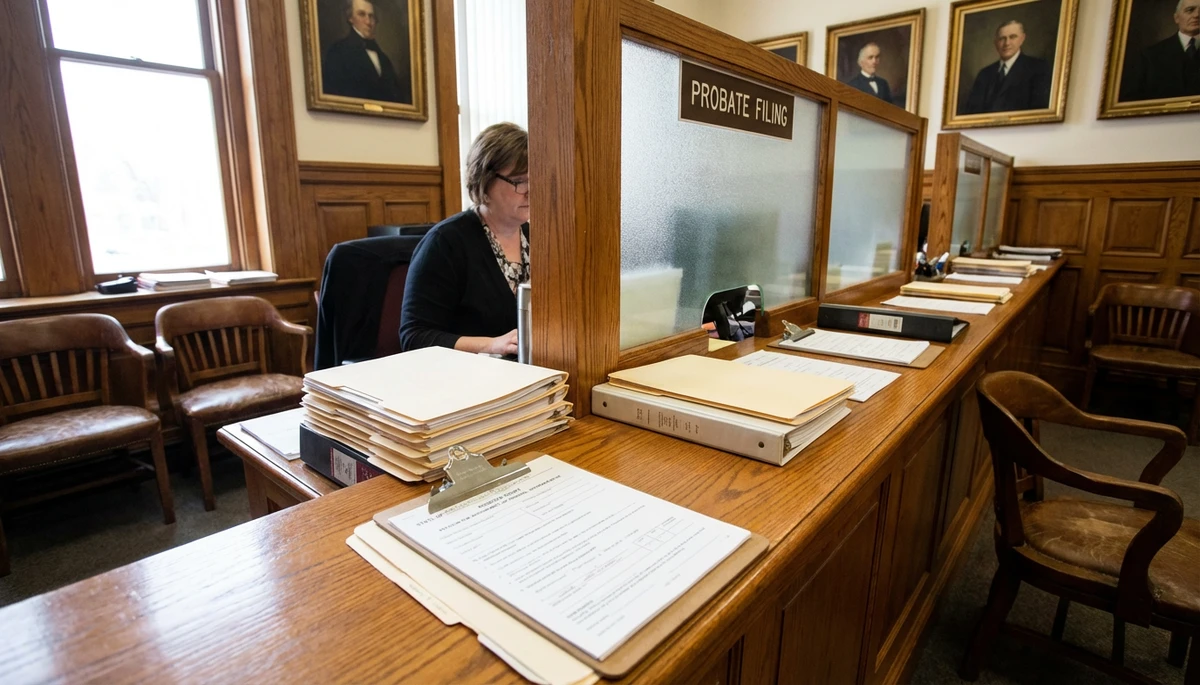
    Courthouse paperwork for estate administration and personal representative appointment

    Getting appointed as personal representative requires a filing with the clerk of superior court — and it must happen before the two-year statute of limitations runs out.

    What if family members disagree about who should be personal representative?

    This comes up more often than you’d expect, especially in blended families or when relationships are strained. When multiple people want to serve as personal representative — or when family members disagree about whether to even pursue a lawsuit — things get complicated.

    The clerk of superior court generally follows the priority list I mentioned above. If the surviving spouse wants to serve, they typically have first priority. But if the spouse doesn’t want the role, or if there’s a dispute about their suitability, other family members can petition the court.

    In contested situations, the court can appoint a neutral third party — sometimes an attorney who has no family connection — to serve as personal representative. This can actually simplify things in contentious family situations, because the personal representative’s job is to act in the best interests of all beneficiaries, not just one family faction.

    One thing to keep in mind: the personal representative doesn’t decide who gets the wrongful death damages. Damage distribution is determined by statute, not by the personal representative’s preferences.

    How NC compares to other states

    North Carolina’s approach is unusual. Most states allow specific family members to file wrongful death lawsuits directly:

    In South Carolina, the personal representative also must file, but the process and distribution rules differ. In Virginia, the personal representative files on behalf of statutory beneficiaries. In Georgia, the surviving spouse or children can file directly. In Florida, the personal representative files, similar to NC. In California, the surviving spouse, domestic partner, or children can file directly without estate involvement.

    The point is that NC families can’t assume the rules are the same as what they’ve heard about from friends or family in other states. North Carolina has its own system, and it requires the extra step of estate appointment.

    Who benefits from a wrongful death recovery?

    Even though the personal representative files the lawsuit, they’re doing so on behalf of specific beneficiaries defined by NCGS 28A-18-2. The statute directs that damages are distributed to the same people who would inherit under NC’s intestacy laws:

    If the deceased had a surviving spouse and one child, the spouse receives the first $100,000 of the net estate, plus one-half of the remainder. The child receives the rest. If there’s a surviving spouse and two or more children, the spouse gets the first $100,000 plus one-third of the remainder, and the children split the rest equally. If there’s no surviving spouse, the children inherit equally. If there are no children, the estate passes to parents, then siblings, according to the intestacy statutes.

    These distribution rules apply regardless of what the deceased’s will says about other property. Wrongful death proceeds are separate from the general estate.

    Steps to take after a wrongful death in North Carolina

    If your family is dealing with a wrongful death, here’s the practical path forward:

    Consult a wrongful death attorney immediately. Don’t wait until you’ve figured out the personal representative situation on your own. An experienced attorney can guide you through the appointment process, identify all potential claims, and make sure you don’t miss any deadlines.

    Start the personal representative appointment process. Whether you’re the surviving spouse, an adult child, or another family member, get the paperwork started at the clerk of superior court. Your attorney can handle this for you or assist you through it.

    Preserve evidence. In many wrongful death cases, evidence is time-sensitive. Scene conditions change. Witnesses move. Records get lost. The sooner your attorney can begin investigating, the better.

    Don’t talk to insurance companies. The at-fault party’s insurer will likely reach out to the family. They are not trying to help you. Don’t give recorded statements or sign anything without legal representation.

    Understand that this takes time. Wrongful death cases are complex. Between the appointment process, investigation, and litigation, these cases often take a year or more to resolve. But families who start early put themselves in the strongest position.

    Frequently asked questions

    Can the surviving spouse file a wrongful death lawsuit in NC?

    Not directly. In North Carolina, only the personal representative of the estate can file a wrongful death lawsuit. However, the surviving spouse has first priority to be appointed as personal representative. Once appointed by the clerk of superior court, the surviving spouse can then file and manage the wrongful death claim on behalf of all beneficiaries.

    What happens if no one is appointed as personal representative?

    If no personal representative is appointed before the two-year statute of limitations expires, the right to file a wrongful death lawsuit is permanently lost. The court won’t grant extensions simply because the family didn’t know about the requirement. This is why consulting with an attorney early is so important.

    Can a personal representative be removed or replaced?

    Yes. If a personal representative isn’t fulfilling their duties properly — including pursuing a wrongful death claim when the evidence supports it — interested parties can petition the court to have them removed and replaced. The court’s primary concern is that the estate and its beneficiaries are properly represented.

    Is there a difference between wrongful death and survival actions in NC?

    Yes. A wrongful death claim compensates the beneficiaries for their losses resulting from the death. A survival action, under NCGS 28A-18-1, allows the estate to pursue claims the deceased person would have had if they survived — such as claims for pain and suffering between the injury and death. Both are typically filed by the personal representative, but they compensate different things.

    Lost a loved one to someone’s negligence?

    I know this is an overwhelming time. Let me handle the legal process — including the personal representative appointment — so your family can focus on what matters most.

    Get a free consultation

    Or call (704) 741-9399

    The information on this page is for general informational purposes only and does not constitute legal advice. Every case is different. Contacting Ryan P. Duffy Law does not create an attorney-client relationship. Past results do not guarantee future outcomes.