noindex

The Law Office of Ryan P. Duffy, PLLC

Category: Pedestrian Accidents

Crosswalk laws, fault rules, and legal options for pedestrians hit by vehicles in North Carolina.

  • Crosswalk Accidents in North Carolina: Who Is at Fault?

    Crosswalk Accidents in North Carolina: Who Is at Fault?

    You were in the crosswalk. The light was in your favor. A driver hit you anyway. Open-and-shut case, right? Not in North Carolina. This state’s contributory negligence rule means that even a small mistake by the pedestrian — stepping off the curb a second too early, looking at your phone — can potentially bar your entire claim.

    I spent years as an insurance defense attorney, and pedestrian crosswalk cases were some of the most aggressively defended claims I worked on. Insurance companies know that juries often want to assign at least some blame to the pedestrian. At the Law Office of Ryan P. Duffy, I now use that knowledge to help injured pedestrians in Belmont and across the Charlotte metro area avoid the traps that sink these cases.
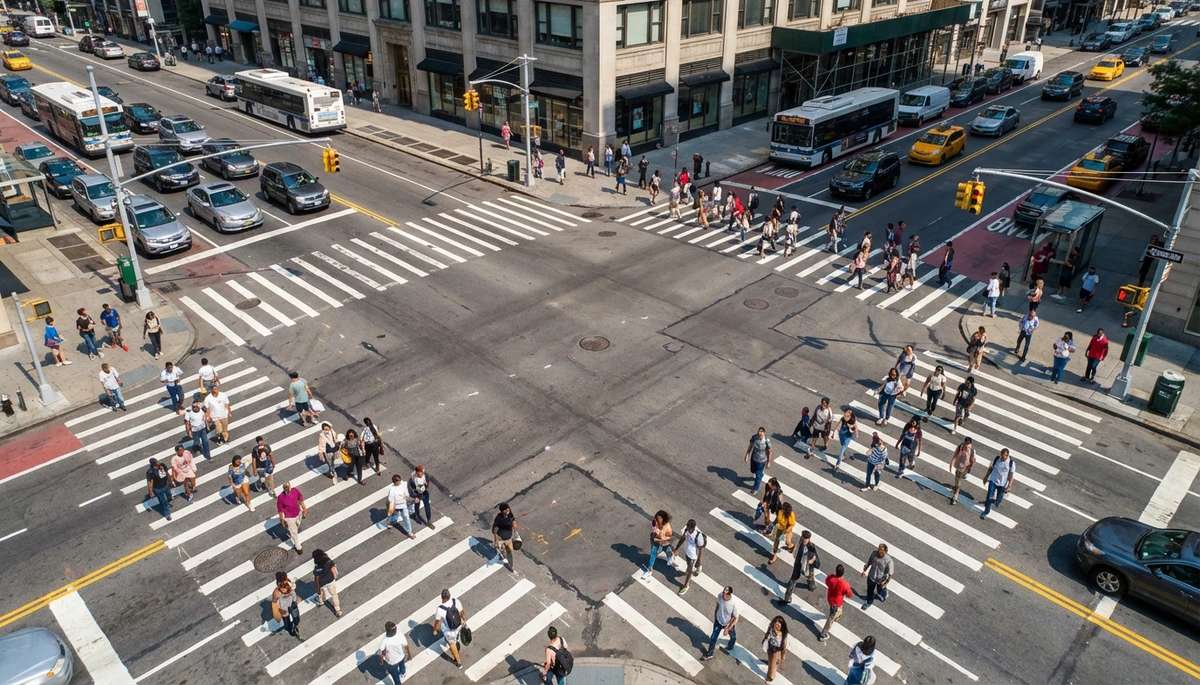
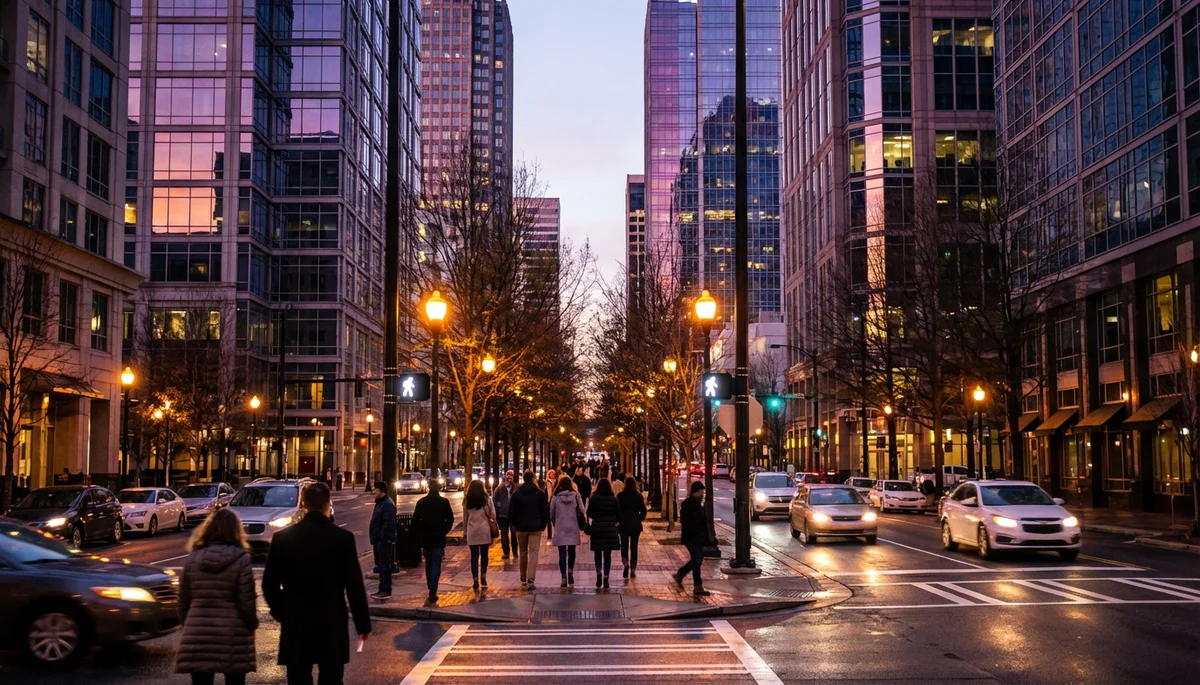
    Marked crosswalk at a busy North Carolina intersection with pedestrian crossing signal

    Crosswalk accidents raise complex fault questions under North Carolina’s strict negligence laws.

    What North Carolina law says about crosswalk rights

    Two statutes govern crosswalk interactions between drivers and pedestrians in North Carolina. Understanding both is important because the insurance company will use whichever one helps their defense.

    Driver duties under NCGS 20-173

    NCGS 20-173 requires drivers to yield the right-of-way to pedestrians in marked crosswalks and at intersections with traffic signals. When a pedestrian is lawfully in a crosswalk, drivers must stop or slow down to allow the pedestrian to cross safely.

    This statute also requires drivers approaching a crosswalk where another vehicle has stopped to yield to allow a pedestrian to cross. You can’t just swing around the stopped car and blow through the crosswalk.

    Pedestrian duties under NCGS 20-174

    This is the statute insurance companies love. NCGS 20-174 imposes duties on pedestrians, including:

    • Pedestrians must obey traffic control signals — you can’t enter a crosswalk against a “Don’t Walk” signal
    • Pedestrians crossing at any point other than a marked crosswalk or unmarked crosswalk at an intersection must yield the right-of-way to vehicles
    • Pedestrians must not suddenly leave a curb or other place of safety and walk or run into the path of a vehicle that is so close it’s impossible for the driver to yield

    That last provision is the one that comes up most often in crosswalk accident disputes. Even when you’re in a crosswalk with a walk signal, the insurance company will argue you darted into traffic without giving the driver time to react.

    Marked crosswalks vs. unmarked crosswalks

    Most people think of crosswalks as those painted white lines on the road. But North Carolina law recognizes unmarked crosswalks too — the natural extensions of sidewalks across intersections, even when no paint is on the ground.

    The distinction matters for fault analysis:

    Marked crosswalks have painted lines, and often have pedestrian signals. Drivers have clear notice that pedestrians may be crossing. When a pedestrian is hit in a marked crosswalk with a walk signal, the driver’s duty to yield is at its strongest.

    Unmarked crosswalks exist at intersections even without painted lines. Drivers still have a duty to yield at these locations, but the defense will argue the driver had less notice of pedestrian activity. These cases tend to be harder to win, but they’re far from impossible.

    Mid-block crossings — crossing the street somewhere other than at a crosswalk or intersection — flip the duty entirely. Under NCGS 20-174, a pedestrian crossing mid-block must yield to vehicles. If you’re hit while jaywalking, the fault analysis starts in a very different place.

    Contributory negligence: the biggest threat to your pedestrian claim

    North Carolina is one of only a handful of states that still follows pure contributory negligence. In most states, if you’re 10 percent at fault for your injuries, your compensation is reduced by 10 percent. In North Carolina, if you’re found even 1 percent at fault, you can be barred from recovering anything.

    This rule makes crosswalk accident cases treacherous for pedestrians. Insurance companies will look for any behavior they can use to argue contributory negligence:

    • Entering the crosswalk when the countdown timer had already started
    • Looking at a phone instead of watching for traffic
    • Wearing dark clothing at night without reflective gear
    • Walking against the signal, even briefly
    • Stepping into the crosswalk when a turning vehicle was approaching
    • Wearing headphones and failing to hear a vehicle

    None of these behaviors justify a driver hitting a pedestrian. But in the world of North Carolina contributory negligence, they can be used to destroy an otherwise strong claim.

    Ryan’s Insider Perspective

    On the defense side, contributory negligence was the go-to strategy in almost every pedestrian case I worked. We would scour the evidence — surveillance video, witness statements, the pedestrian’s own phone records — looking for anything that suggested the pedestrian wasn’t paying full attention. The goal wasn’t to prove the driver was blameless. It was to prove the pedestrian contributed even slightly to what happened. That’s all you need in North Carolina to deny the claim.
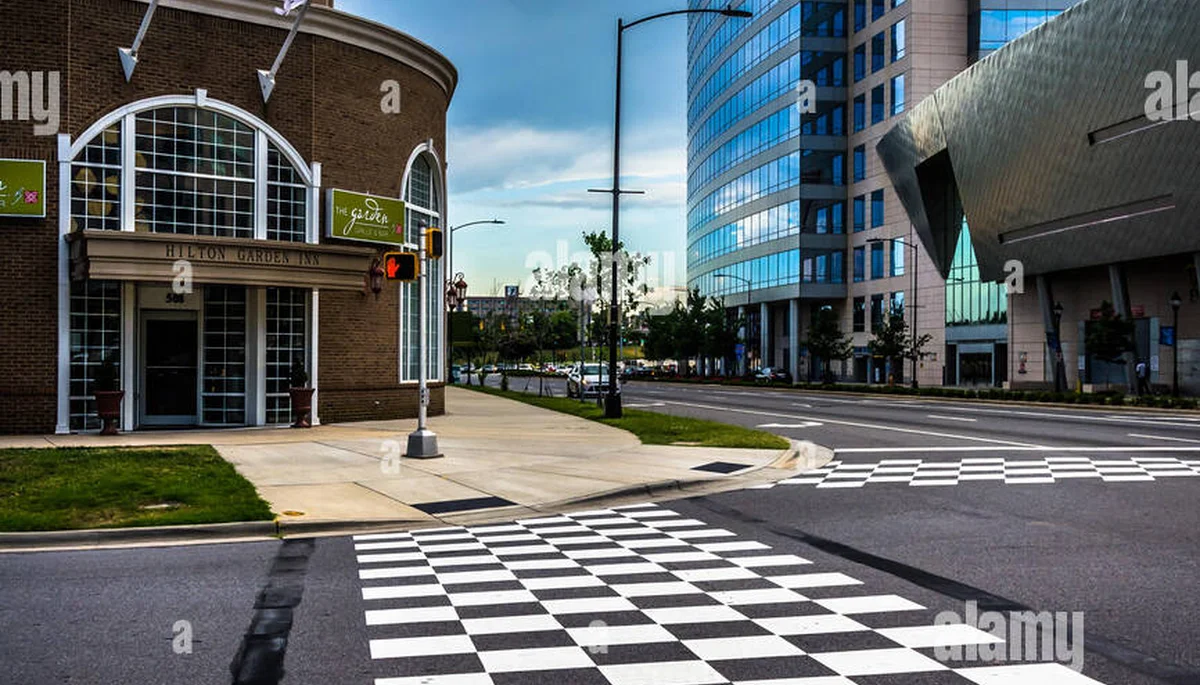
    Pedestrian signal at a crosswalk showing a walk sign at a North Carolina intersection

    Obeying pedestrian signals is important, but it doesn’t guarantee fault falls entirely on the driver.

    Common crosswalk accident scenarios and how fault is determined

    Right-turning driver hits pedestrian in crosswalk

    This is one of the most common crosswalk accidents. A driver making a right turn on green focuses on checking for oncoming traffic from the left and never looks right to check for pedestrians in the crosswalk. The driver’s fault is typically clear here — they have a duty to check for pedestrians before completing the turn. However, the defense will still look for contributory negligence arguments, such as whether the pedestrian entered the crosswalk against the signal.

    Left-turning driver hits pedestrian

    Left turns create a similar dynamic but with added complexity. The driver is focused on finding a gap in oncoming traffic and may not see a pedestrian who has already entered the crosswalk. Fault usually lies with the driver, but the speed at which the pedestrian entered the crosswalk and whether the walk signal was active become contested issues.

    Pedestrian hit in unmarked crosswalk at intersection

    When there’s no marked crosswalk, fault disputes intensify. The driver will argue they had no reason to expect a pedestrian at that location. But under North Carolina law, the driver still has a duty to watch for pedestrians crossing at intersections. The key question is whether the pedestrian gave the driver a reasonable opportunity to see them and stop.

    Pedestrian hit while countdown timer was active

    Many crosswalk signals show a flashing countdown before switching to “Don’t Walk.” If you entered the crosswalk during the countdown and got hit, the insurance company will argue you should have waited for the next cycle. The legal analysis depends on whether you had enough time to complete the crossing when you entered — entering a crosswalk during a countdown isn’t automatically negligent if you reasonably believed you could cross safely.

    What to do after a crosswalk accident

    The steps you take after being hit in a crosswalk can make or break your claim. Pedestrian accident cases live and die on the evidence available, so collecting it quickly matters.

    1. Call 911 and get medical attention. Even if you feel okay, adrenaline masks injuries. Many pedestrian accident injuries — concussions, internal bleeding, soft tissue damage — don’t show symptoms immediately.
    2. Stay at the scene if you’re physically able. Talk to the responding officer and give your account of what happened. The police report is a key piece of evidence.
    3. Document the scene. If you can, photograph the crosswalk, the traffic signals, the driver’s vehicle, any skid marks, and the damage to the vehicle where it struck you. Note the time of day, lighting conditions, and weather.
    4. Get witness information. Other pedestrians, nearby business employees, and other drivers may have seen the accident. Their testimony can corroborate your version of events.
    5. Don’t give recorded statements to the driver’s insurance company. The adjuster will ask leading questions designed to establish contributory negligence. Talk to an attorney first.

    My guide on what to do after an accident in North Carolina covers these steps in detail. For specific information about pedestrian accident claims, visit my pedestrian accident attorney page.

    Frequently asked questions

    Is the driver always at fault when a pedestrian is hit in a crosswalk in NC?

    No. While drivers have a duty to yield to pedestrians in crosswalks under NCGS 20-173, pedestrians also have duties under NCGS 20-174 — including obeying traffic signals and not suddenly entering the crosswalk when a vehicle is too close to stop. North Carolina’s contributory negligence rule means even minor fault by the pedestrian can bar recovery.

    Can I recover compensation if I was hit outside a crosswalk?

    It depends on the circumstances. Under NCGS 20-174, pedestrians crossing outside a crosswalk must yield to vehicles. But that doesn’t give drivers a free pass to hit jaywalkers. If the driver was speeding, distracted, or had time to avoid the collision and didn’t, you may still have a claim. These cases are harder, but an experienced attorney can evaluate the specific facts.

    What is an unmarked crosswalk under North Carolina law?

    An unmarked crosswalk is the natural extension of a sidewalk or walkway across a road at an intersection. Even without painted lines on the pavement, the law treats these areas as crosswalks where drivers must yield to pedestrians. However, proving you were in an unmarked crosswalk — rather than jaywalking — requires evidence of the intersection layout and your position when you were hit.

    How does contributory negligence affect my crosswalk accident claim?

    Contributory negligence is a complete bar to recovery in North Carolina. If the insurance company or jury finds that you were even partially at fault — for entering the crosswalk against the signal, not watching for traffic, or any other reason — you could receive nothing. The exception is the “last clear chance” doctrine, which may still allow recovery if the driver had the last opportunity to avoid the collision and failed to take it.

    Hit by a car in a crosswalk? North Carolina’s contributory negligence rule makes these cases complicated. I’ll review the evidence, counter the insurance company’s fault arguments, and fight for the full compensation you deserve.

    Free Consultation
    Call 704-741-9399

    This blog post is for general informational purposes only and does not constitute legal advice. Every case is different, and outcomes depend on the specific facts and circumstances involved. Contact the Law Office of Ryan P. Duffy for a free consultation to discuss your specific situation.
  • Hit by a Car While Walking in Charlotte? Here’s What to Do Next

    Hit by a Car While Walking in Charlotte? Here’s What to Do Next

    Charlotte is one of the most dangerous cities for pedestrians in North Carolina. Mecklenburg County consistently ranks among the top counties in the state for pedestrian fatalities, and the numbers have been trending in the wrong direction. If you’ve been hit by a car while walking in Charlotte, what you do in the next few days will shape the outcome of your injury claim.

    I’m Ryan Duffy, a personal injury attorney based in Belmont — just west of Charlotte. I used to represent insurance companies in injury claims, including pedestrian accidents in Mecklenburg County. I know how CMPD investigates these crashes, how insurers evaluate them, and where the process breaks down for injured pedestrians. Here’s what you need to know and do.

    Busy Charlotte NC intersection with pedestrian crosswalks where accidents frequently occur

    Charlotte’s fast-growing streets are increasingly dangerous for pedestrians — especially along major corridors.

    Charlotte’s pedestrian safety problem by the numbers

    Charlotte has a pedestrian fatality problem that’s getting worse, not better. According to data from the Charlotte Department of Transportation and NCDOT, Mecklenburg County sees dozens of pedestrian-involved crashes each year, with fatalities hitting record levels in recent years.

    The worst corridors for pedestrian crashes in Charlotte include:

    • Independence Boulevard (US-74) — wide, fast-moving lanes with limited crosswalks
    • North Tryon Street — heavy traffic through commercial areas with high foot traffic
    • South Boulevard — transit-adjacent but not always pedestrian-friendly
    • Central Avenue — long stretches between safe crossing points
    • Freedom Drive — high speed limits and poor lighting
    • Wilkinson Boulevard — wide arterial road with minimal pedestrian infrastructure in many stretches

    These roads share common features: multiple lanes, high speed limits (40-50 mph), infrequent crosswalks, and poor lighting at night. They were built for cars, not people. And when a 4,000-pound vehicle hits a person walking at 40 mph, the results are catastrophic.

    What to do at the scene if you’ve been hit

    If you’re conscious and able to take action after being struck by a vehicle, these steps protect both your health and your legal claim.

    Call 911 and stay at the scene

    Call 911 immediately. Charlotte-Mecklenburg Police Department (CMPD) will respond to the scene and create a crash report. This report is a key piece of evidence. It documents the location, the driver’s information, witness statements, and often an initial determination of fault.

    Ask the responding officer for the report number. You can request a copy of the full CMPD crash report later through the CMPD records division.

    Get medical attention — even if you feel okay

    Adrenaline masks pain. Pedestrians who are struck by cars frequently don’t feel the full extent of their injuries for hours or days. Internal bleeding, fractures, and traumatic brain injuries can all present with delayed symptoms.

    Go to the emergency room. Atrium Health’s Carolinas Medical Center on Blythe Blvd is Charlotte’s Level 1 trauma center for the most serious injuries. Novant Health Presbyterian on Hawthorne Lane is another option. The ER visit creates the first medical record linking your injuries to the crash.

    Document everything you can

    If you’re physically able, take photos of the scene before anything changes. Photograph the intersection or road where you were hit, any skid marks, the vehicle that hit you (including the license plate), traffic signals or crosswalk markings, and your injuries. Note the time of day, weather conditions, and lighting.

    Get names and phone numbers from any witnesses. Witnesses tend to disappear quickly at urban crash scenes. Their testimony can be the difference between winning and losing your claim.

    Do not talk to the driver’s insurance company

    The driver’s auto insurer will contact you — sometimes within hours. They’ll sound sympathetic. They may offer to pay your medical bills. What they’re actually doing is gathering information to minimize your claim. I know because I used to work with these adjusters. Don’t give a recorded statement. Don’t sign anything. Talk to a pedestrian accident attorney first.

    Ryan’s Insider Perspective

    Charlotte pedestrian cases have a pattern I saw over and over from the defense side. The insurer would pull up Google Street View of the crash location and look for crosswalks the pedestrian could have used instead. If the pedestrian crossed mid-block with a crosswalk 200 feet away, the adjuster would flag it as contributory negligence and recommend denying the claim. The specific location where you were crossing matters enormously in Charlotte because the crosswalks are often so far apart.

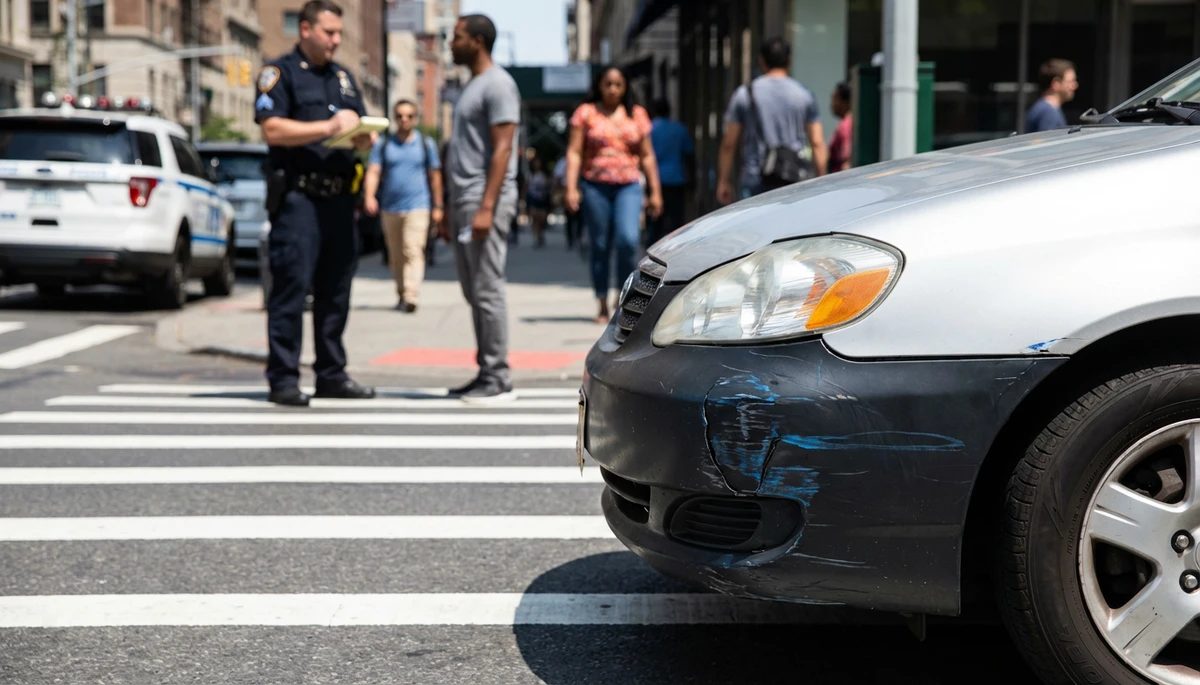
    CMPD police report and medical records needed for a Charlotte pedestrian accident claim

    The CMPD crash report and your ER records form the foundation of a Charlotte pedestrian injury claim.

    Common injuries from pedestrian accidents in Charlotte

    When a car hits a pedestrian, the injuries tend to be severe. The human body has no protection against a multi-ton vehicle. Common injuries I see in Charlotte pedestrian cases include:

    • Broken bones — legs, pelvis, ribs, arms
    • Traumatic brain injuries (TBI) — from impact with the vehicle or the pavement
    • Spinal cord injuries — which can cause partial or complete paralysis
    • Internal organ damage — ruptured spleen, liver lacerations, internal bleeding
    • Road rash and soft tissue damage
    • Knee and shoulder injuries requiring surgery
    • Facial fractures and dental injuries

    Medical costs in serious pedestrian accident cases can exceed $100,000 quickly — and that’s before accounting for lost wages, rehabilitation, and long-term care needs.

    Contributory negligence in Charlotte pedestrian cases

    North Carolina is one of the harshest states in the country for injured pedestrians because of contributory negligence. If the insurance company can show you were even slightly at fault — crossing against a signal, jaywalking, looking at your phone, wearing dark clothing at night — they can deny your entire claim.

    This is especially problematic in Charlotte because the road design often forces pedestrians into unsafe situations. When crosswalks are half a mile apart on Independence Boulevard, people are going to cross where it’s convenient. But the law doesn’t care about road design. Under NCGS § 20-174, crossing outside a crosswalk means the pedestrian must yield to vehicles.

    The one potential save is the last clear chance doctrine. If the driver saw you — or should have seen you — in time to stop and failed to act, you may still recover even if you were partially at fault. This comes up frequently in Charlotte cases where drivers are speeding or distracted.

    Charlotte’s Vision Zero and what it means for your claim

    The City of Charlotte adopted a Vision Zero policy aimed at eliminating traffic fatalities and serious injuries by 2030. As part of this initiative, the city has been adding pedestrian infrastructure — protected crosswalks, pedestrian islands, reduced speed limits, and better lighting — in high-crash corridors.

    From a legal standpoint, Vision Zero data can be useful in a pedestrian accident claim. If the city identified an intersection as a high-crash location and failed to make safety improvements, or if a road was designed in a way that predictably endangered pedestrians, that context strengthens your case.

    Your attorney can request crash data from CMPD and NCDOT showing the history of pedestrian incidents at the location where you were hit. A pattern of crashes at the same intersection or corridor supports the argument that the road design — not the pedestrian — is the problem.

    Hit-and-run pedestrian accidents in Charlotte

    Hit-and-runs are a significant problem in Charlotte. When a driver flees the scene after hitting a pedestrian, the pedestrian is left without an identified at-fault driver to pursue.

    But you may still have options. If you have auto insurance with uninsured motorist (UM) coverage, your own policy can cover your injuries even as a pedestrian. NC law requires insurers to offer UM coverage, and many drivers carry it without realizing it covers pedestrian accidents.

    If someone in your household has UM coverage, that policy may cover you too. A pedestrian accident attorney can review your insurance policies and identify all potential sources of recovery.

    File a police report with CMPD immediately. Note any details you remember about the vehicle — color, make, model, partial plate number, direction of travel. CMPD may be able to locate the driver through traffic cameras or surveillance footage from nearby businesses. Time is critical with this evidence. Check the filing deadlines to make sure you don’t miss any windows for action.

    Frequently asked questions

    How much is a pedestrian accident claim worth in Charlotte?

    It depends on the severity of your injuries, your medical expenses, lost wages, and pain and suffering. Minor injuries with a few thousand dollars in medical bills might settle for $10,000-$30,000. Serious injuries involving surgery, TBI, or permanent disability can be worth $100,000 to well over $1 million. Every case is different.

    What if I was crossing the street outside a crosswalk?

    Crossing outside a crosswalk creates a contributory negligence risk in NC, which could bar your entire claim. But the last clear chance doctrine may still protect you if the driver had time to avoid the collision. An attorney can evaluate the facts and determine whether your claim is viable.

    How long do I have to file a claim after being hit by a car in Charlotte?

    The statute of limitations for personal injury in North Carolina is three years from the date of the accident under NCGS § 1-52. But you should start the claims process much sooner. Evidence fades, witnesses forget, and surveillance footage gets deleted. Contact an attorney within the first few weeks.

    Can I sue the city of Charlotte if the road design caused my accident?

    Potentially, but claims against government entities have special rules and shorter deadlines. Under the NC Tort Claims Act, you must file a claim within three years, but notice requirements and sovereign immunity defenses make these cases complicated. If poor road design contributed to your accident, discuss it with an attorney early.

    Hit by a car while walking in Charlotte? I’ll review your case for free and tell you where you stand.

    Free Consultation
    Call 704-741-9399

    This blog post is for general informational purposes only and does not constitute legal advice. Every case is different, and outcomes depend on the specific facts and circumstances involved. Contact the Law Office of Ryan P. Duffy for a free consultation to discuss your specific situation.
  • Pedestrian Right-of-Way Laws in North Carolina: What Drivers and Walkers Need to Know

    Pedestrian Right-of-Way Laws in North Carolina: What Drivers and Walkers Need to Know

    “Pedestrians always have the right of way” is one of the most repeated — and most wrong — statements about North Carolina traffic law. The actual rules are more specific than that. Pedestrians have the right of way in some situations and don’t in others. And because NC follows contributory negligence, getting the details right can mean the difference between recovering full compensation and getting nothing.

    I’m Ryan Duffy, a personal injury attorney in Belmont. I spent years defending insurance companies before switching sides to represent injured people. I’ve seen adjusters deny pedestrian accident claims based on right-of-way technicalities that the injured person didn’t even know existed. Here’s what the law actually says.

    Crosswalk at an intersection in North Carolina illustrating pedestrian right-of-way laws

    NC pedestrian right-of-way rules depend on where and how you’re crossing — not a blanket rule that walkers always go first.

    What NCGS 20-174 actually says about pedestrian right of way

    The primary statute governing pedestrian rights in North Carolina is NCGS § 20-174. It doesn’t say pedestrians always have the right of way. It sets up different rules depending on the situation.

    At intersections with crosswalks (and no traffic signals)

    Under NCGS § 20-174(a), vehicles must yield to pedestrians who are within a crosswalk at an intersection that doesn’t have a traffic signal or a police officer directing traffic. This is the closest thing to “pedestrians have the right of way” in NC law — and even this comes with conditions.

    The pedestrian has to be in or entering the crosswalk. A pedestrian standing on the curb waiting to cross hasn’t yet entered the crosswalk. Drivers are supposed to yield, but the pedestrian doesn’t have an absolute right to step out into traffic and expect cars to stop.

    At intersections with traffic signals

    When a traffic signal is present, pedestrians must obey the signal. NCGS § 20-174(b) says pedestrians can cross only on a green light or a “Walk” signal. Crossing against a red light or a “Don’t Walk” signal means the pedestrian doesn’t have the right of way — even in a crosswalk.

    Crossing between intersections (mid-block crossing)

    This is where it gets tricky. Under NCGS § 20-174(a), when crossing at any point other than a marked crosswalk or unmarked crosswalk at an intersection, the pedestrian must yield the right of way to vehicles. In plain English: jaywalking means you don’t have the right of way.

    That doesn’t mean a driver can hit a jaywalking pedestrian with no consequences. Drivers still have a duty to exercise due care to avoid hitting pedestrians regardless of who has the right of way. But the pedestrian’s decision to cross mid-block creates a serious contributory negligence problem for any injury claim.

    Walking along roadways

    NCGS § 20-174(d) requires pedestrians walking along a highway to use the sidewalk if one is available. If there’s no sidewalk, pedestrians must walk on the left side of the road, facing oncoming traffic. Walking with traffic — on the right side — is a violation.

    Contributory negligence and pedestrian accident claims

    North Carolina’s contributory negligence rule makes these right-of-way details matter more than they would in almost any other state. In 46 states, if you were 10% at fault for the accident, your compensation is reduced by 10%. In North Carolina, if you were 1% at fault, you get nothing.

    Insurance adjusters handling pedestrian claims in NC will look for any right-of-way violation to deny the claim entirely. Common arguments I’ve seen from the defense side:

    • The pedestrian was crossing mid-block instead of at the crosswalk
    • The pedestrian stepped into the crosswalk against a “Don’t Walk” signal
    • The pedestrian was wearing dark clothing at night
    • The pedestrian was looking at their phone while crossing
    • The pedestrian was walking with traffic instead of against it

    Any one of these can sink a claim if the insurer can build a contributory negligence argument around it.

    Ryan’s Insider Perspective

    When I defended insurance companies, contributory negligence was our most powerful weapon in pedestrian cases. The strategy was simple: find anything the pedestrian did wrong, no matter how minor, and argue they were partially at fault. It didn’t matter that the driver was speeding or ran a red light. If the pedestrian was texting while walking, that was enough to deny the whole claim. This is why documenting the exact circumstances of how you were crossing — and that you had the right of way — is so important.

    Pedestrian crossing signal at a North Carolina intersection showing walk and don't walk indicators

    Obeying walk signals isn’t just about safety — it’s about protecting your legal rights under NC’s contributory negligence rule.

    Drivers’ duties to pedestrians under NC law

    The law doesn’t just put obligations on pedestrians. Drivers have duties too, and violating them creates liability for the driver even when the pedestrian wasn’t in a crosswalk.

    Under NCGS § 20-174(a), drivers must exercise “due care” to avoid colliding with any pedestrian on the roadway. They must give warning by sounding the horn when necessary. This duty applies everywhere — not just at crosswalks.

    NCGS § 20-141.1 also prohibits excessive speed in school zones, which have heavy pedestrian traffic. And NCGS § 20-174(e) gives a specific right of way to blind pedestrians using a white cane or guide dog at all intersections.

    If a driver was speeding, distracted, impaired, or failed to yield where required, the driver is negligent regardless of what the pedestrian was doing. The challenge in NC is proving the pedestrian wasn’t also negligent — which brings us back to contributory negligence.

    The “last clear chance” exception

    There’s one major exception to contributory negligence in North Carolina that helps pedestrians: the last clear chance doctrine. Even if the pedestrian was partially at fault (crossing mid-block, for example), the pedestrian can still recover if the driver had the last clear chance to avoid the collision and failed to act.

    For this to apply, the driver must have seen — or should have seen — the pedestrian in time to stop or swerve, and failed to do so. This doctrine has saved many pedestrian claims that would otherwise be barred by contributory negligence.

    A pedestrian accident attorney can evaluate whether the last clear chance doctrine applies to your case.

    What to do if you’re hit by a car as a pedestrian in NC

    If you’re struck by a vehicle while walking, the steps you take immediately after matter for your health and your legal claim.

    • Call 911 and get a police report filed at the scene
    • Get medical attention right away — even if injuries seem minor
    • Document the exact location where you were walking or crossing
    • Note whether you were in a crosswalk and what the traffic signal showed
    • Get contact information from witnesses
    • Take photos of the scene, your injuries, and the vehicle if possible
    • Don’t give a recorded statement to the driver’s insurance company

    For a detailed guide on protecting your rights after any accident, read what to do after an accident in North Carolina. And remember the three-year statute of limitations — it applies to pedestrian claims too.

    Frequently asked questions

    Do pedestrians always have the right of way in North Carolina?

    No. Pedestrians have the right of way in marked crosswalks at intersections without traffic signals. At signalized intersections, pedestrians must obey the traffic signal. When crossing outside a crosswalk (jaywalking), the pedestrian must yield to vehicles. The blanket “pedestrians always have the right of way” rule is a myth in NC.

    Can I still recover compensation if I was jaywalking when I was hit?

    Possibly. North Carolina’s contributory negligence rule could bar your claim if you were crossing outside a crosswalk. But the last clear chance doctrine may still apply if the driver saw you or should have seen you in time to stop. An attorney can evaluate the specific facts of your case.

    What is an “unmarked crosswalk” in North Carolina?

    An unmarked crosswalk exists at every intersection, even where there are no painted lines. It’s the natural extension of the sidewalk or shoulder across the intersection. Pedestrians have the same right-of-way protections in unmarked crosswalks as in marked ones — many people don’t realize this.

    What side of the road should pedestrians walk on in NC?

    If there’s a sidewalk, use it. If there’s no sidewalk, walk on the left side of the road facing oncoming traffic. This is required by NCGS § 20-174(d). Walking on the right side with traffic is a violation and could be used as evidence of contributory negligence if you’re struck.

    Hit by a car while walking? Right-of-way questions can make or break your claim. Let’s talk.

    Free Consultation
    Call 704-741-9399

    This blog post is for general informational purposes only and does not constitute legal advice. Every case is different, and outcomes depend on the specific facts and circumstances involved. Contact the Law Office of Ryan P. Duffy for a free consultation to discuss your specific situation.