noindex

The Law Office of Ryan P. Duffy, PLLC

Category: Car Accidents

Know your rights after a crash. Deadlines, insurance tactics, and what a former defense attorney wants you to know.

  • Distracted Driving Accidents in North Carolina

    Distracted driving accidents are one of the leading causes of car accidents on North Carolina roads. Thousands of driving accidents each year are caused by drivers who take their eyes off the road, hands off the wheel, or mind away from the task of operating a vehicle. Distracted driving in North Carolina is a growing problem, and the consequences of distractions can have devastating consequences for accident victims and their families. As a North Carolina car accident attorney, I see the aftermath of distracted driving crashes constantly, and the injuries are often severe because the driver never even tried to brake before impact.

    North Carolina Distracted Driving Laws

    North Carolina has specific distracted driving accident laws, though the scope is narrower than many people realize. NC distracted driving statutes include:

    • Texting and driving is illegal for all drivers under N.C.G.S. 20-137.4A. Drivers are prohibited from reading, writing, or sending text messages or emails while operating a car or any motor vehicle. The fine is $100 plus court costs.
    • Drivers under the age of 18 are prohibited from using a cell phone entirely while behind the wheel, including hands-free use.
    • School bus operators cannot use a phone while driving.

    However, the state of North Carolina does not have a general ban on handheld phone use while driving for adults. An adult can legally hold their phone while driving. But that does not mean it is safe, and it does not mean you cannot be found negligent if phone while driving causes an accident. North Carolina distracted driving laws apply to all forms of distracted driving, not just texting.

    Forms of Distracted Driving That Cause Serious Accidents

    Distracted driving is not limited to texting. There are three categories of distraction that lead to distracted driving crashes:

    • Visual distraction: taking the driver’s eyes off the road. Looking at a GPS, glancing at a passenger, or rubbernecking.
    • Manual distraction: taking your hands on the wheel away from the road. Eating while driving, adjusting the radio, or reaching for something in the back seat.
    • Cognitive distraction: taking your mind away from the road. Daydreaming, having an intense conversation, or being emotionally upset.

    Texting is the most dangerous because it involves all three forms of distracted driving at once. Sending or reading a text while driving takes your eyes on the road away for about five seconds. At highway speeds, that is like driving the length of a football field blind. Distracted driving accidents caused by texting are among the most serious accidents on North Carolina roads.

    Proving a Distracted Driving Accident in North Carolina

    Proving that the other driver was distracted when the accident caused your injuries can be challenging because drivers rarely admit to NC distracted driving. However, an experienced accident lawyer knows how to gather evidence including:

    • Cell phone records. A subpoena can reveal calls, texts, or data usage at the time of the auto accident.
    • App usage data. If the driver was on social media or streaming while operating a vehicle, that data may be recoverable.
    • Witness statements. People who saw the driver looking at their phone can provide testimony about distracted driving in North Carolina.
    • Dashcam or surveillance footage. Video evidence showing the driver was not paying attention is powerful in any distracted driving accident in North Carolina case.
    • Accident reconstruction. The absence of skid marks or evasive action suggests the driver never saw you, consistent with distracted driving.
    • Police report. If the officer noted distraction or issued a citation for texting and driving, that strengthens your case significantly.

    Damages and Compensation for Distracted Driving Accident Victims

    If you were injured in a car accident caused by distracted driving, you may be able to recover compensation for medical bills, lost wages, pain and suffering, emotional distress, and property damage. An accident victim of a North Carolina distracted driving accident may also have grounds for punitive damages in cases involving egregious conduct, such as a driver who was watching video while behind the wheel.

    In cases of fatal distracted driving crashes, wrongful death claims may be available to surviving family members. Truck accidents caused by texting or phone use are also subject to these same principles.

    Contributory Negligence in Distracted Driving Cases

    As with all personal injury claims in the state of North Carolina, contributory negligence applies. If the defense shows you were also distracted or negligent at the time of the auto accident, your claim could be barred entirely. Do not admit fault or discuss your case with the other driver’s insurance company. Notify your insurance company of the accident but do not give recorded statements without legal guidance.

    Contact a North Carolina Distracted Driving Accident Lawyer

    If you were injured in a crash caused by distracted driving, do not wait. Evidence including cell phone records and app data can be lost or overwritten. Report the accident to police, seek immediate medical attention, and then discuss your case with an experienced accident attorney. I can help you review your case, build a distracted driving injury claim, and fight for the compensation you deserve.

    Schedule a free consultation with my law firm to get a free case evaluation and learn about your legal options after a distracted driving accident in North Carolina.

    Have questions about your case? Get answers from an experienced personal injury attorney.

    Schedule a Free Consultation

  • Motorcycle Accident Laws in North Carolina: What Riders Need to Know

    Motorcycle accidents often result in serious injuries that change lives forever. In the state of North Carolina, motorcycle laws create unique challenges for any accident victim seeking compensation. If you have been involved in a motorcycle accident in North Carolina, understanding your rights after a motorcycle accident is the first step toward recovery. As a Charlotte motorcycle accident lawyer, I handle these cases with a focus on the specific motorcycle laws that apply and the complex claims process that follows a motorcycle wreck.

    North Carolina Motorcycle Laws Every Rider Should Know

    North Carolina motorcycle laws set specific requirements for riders. Every motorcycle must meet state equipment standards, and every rider must have a motorcycle endorsement on their driver’s license. To obtain a motorcycle endorsement, riders must pass a knowledge test and skills evaluation. Key motorcycle laws in North Carolina include:

    • Helmet requirement. All riders and passengers must wear a DOT-approved helmet. This is a legal requirement in North Carolina, and failure to wear a helmet can devastate your claim. North Carolina follows strict enforcement of this rule.
    • Eye protection. Riders must wear protective eyewear unless the motorcycle has a windscreen.
    • Lane sharing. It is not legal in North Carolina to share a lane with another vehicle. Unlike some states, North Carolina does not permit lane splitting.
    • Equipment requirements. Every motorcycle must have proper lighting, mirrors, and protective gloves are strongly recommended for motorcycle safety.

    Motorcycle Accidents Happen Because of Other Drivers

    The majority of motorcycle accidents happen because car drivers often fail to see riders. North Carolina motorcycle accident cases commonly involve:

    • Left-turn accidents. A car turns left in front of an oncoming motorcycle. This is the most common type of motorcycle accident in Charlotte and across the state.
    • Lane-change collisions. A driver changes lanes into a motorcycle riding in the adjacent lane without checking.
    • Rear-end collisions. A car strikes a stopped motorcycle from behind, often because the driver was distracted.
    • Intersection failures. A driver runs a red light and collides with a motorcycle that had the right of way.

    Road conditions also play a role. Potholes, gravel, and debris that a car might barely notice can cause a motorcycle wreck. When poor road maintenance contributes to a North Carolina motorcycle crash, the responsible government entity may share liability.

    Why Motorcycle Accident Claims Are More Difficult

    If you are found to be even partially at fault for an accident in the state of North Carolina, you can be completely barred from recovery. North Carolina follows one of the strictest negligence standards in the country. Insurance companies may try to argue that you were partially at fault because:

    • You were speeding, even slightly over the limit
    • You failed to use a turn signal
    • Your motorcycle’s headlight or tail light was not functioning
    • You did not have proper protective equipment

    Building a strong motorcycle accident claim requires an experienced North Carolina motorcycle accident attorney who knows how to counter these defenses and protect your rights. A skilled motorcycle accident lawyer can investigate the accident scene, work with accident reconstruction experts, and gather the evidence needed to prove the other driver was at fault for the accident.

    Injuries and Compensation After a Motorcycle Accident

    Motorcycle accidents often result in serious injuries including road rash, broken bones, traumatic brain injuries, spinal cord injuries, and amputations. Motor vehicle accidents involving motorcycles produce more severe injuries than car-on-car collisions because riders have no protective frame around them.

    If you were injured in a motorcycle accident in Charlotte or elsewhere in North Carolina, your right to seek compensation includes medical expenses, lost wages, pain and suffering, and property damage. The compensation you deserve depends on the severity of your injuries and the strength of your case. North Carolina allows you to file a personal injury lawsuit within three years from the date of the accident under the statute of limitations for motorcycle accidents.

    What to Take After a Motorcycle Accident

    In the aftermath of a motorcycle accident, protect your rights by calling 911 and documenting the accident scene with photos. Seek medical treatment immediately, even for injuries that seem minor. Do not give a recorded statement to the insurance company. Dealing with insurance companies after a motorcycle accident is different from a standard motor vehicle claim, and insurance claims adjusters will use every tactic available to reduce what they pay.

    Contact a Charlotte personal injury and motorcycle accident attorney as soon as possible. A free case consultation can help you understand the claims process and navigate the complex legal issues. Contact us today to discuss your motorcycle accident claim and fight for the compensation for your injuries that you deserve.

    Have questions about your case? Get answers from an experienced personal injury attorney.

    Schedule a Free Consultation

  • Truck Accident Claims in North Carolina: What Makes Them Different

    A truck accident is not just a bigger version of a car accident. A fully loaded large truck or 18-wheeler accident can involve 80,000 pounds of force. A passenger vehicle weighs about 4,000. When a truck collision happens, the results are often catastrophic, and truck accidents can result in life-altering injuries or wrongful death. As a North Carolina truck accident lawyer, I handle truck accident claims in NC differently from standard vehicle accident cases because the accident laws, liability claims, and the claims process are far more complex under both federal and state laws.

    Federal and State Laws Govern Truck Accident Claims

    Commercial trucks that operate across state lines are regulated by the Federal Motor Carrier Safety Administration. These federal and state regulations govern nearly every aspect of trucking operations, and violations are powerful evidence in a North Carolina truck accident claim. Key regulations include:

    • Hours of service. Drivers are limited to prevent driver fatigue, one of the leading causes of truck crashes. The truck driver might be violating these rules if the accident caused by fatigue occurred after excessive driving hours.
    • Maintenance and inspection requirements. Trucking companies must maintain vehicles on specific schedules and keep detailed accident reports and maintenance records.
    • Driver qualification standards. Truck drivers must hold commercial licenses, pass medical exams, and meet drug and alcohol testing requirements under North Carolina law and federal regulations.
    • Cargo securement. There are detailed rules about how cargo must be loaded and secured. A crash with a commercial truck caused by shifting cargo is a serious liability issue.

    When a trucking company or driver violates these accident laws, that violation serves as strong evidence in a personal injury case or truck accident claim.

    Multiple Insurance Companies and Liable Parties

    In a standard car accident, you deal with one at-fault driver and their insurer. A North Carolina truck accident often involves multiple parties and multiple insurance companies. Each party may have its own insurance to cover their share of liability:

    • The truck driver who the driver might have been speeding, distracted, or impaired
    • The trucking company that hired the driver, set schedules, and maintained the vehicle
    • The cargo loading company if improperly loaded freight contributed to the truck collision
    • The truck or parts manufacturer if a mechanical defect caused the accident
    • A maintenance contractor if poor repairs played a role in the truck wreck

    Identifying all liable parties is critical to the claims process because it affects how much insurance coverage is available. A trucking company’s insurance policies are typically much larger than a personal auto policy, often $1 million or more. An experienced North Carolina truck accident attorney can determine liability and identify every insurance claim that may apply.

    Evidence Must Be Preserved Immediately

    A truck accident lawyer in North Carolina knows that evidence preservation is the top priority after a commercial truck accident. Modern large trucks have electronic logging devices that record driving hours, speed, braking, and other data. Trucking companies are supposed to preserve this data after a truck accident, but records can be overwritten or lost. Accident reconstruction experts and accident reports from the scene are crucial to the cause of the accident investigation.

    A North Carolina truck accident lawyer can help by sending a spoliation letter immediately, preserving electronic logging data, GPS and route records, the truck driver’s qualification file, dashcam footage, dispatch communications, drug and alcohol testing records, and all maintenance records. Without a truck accident lawyer who understands the claims in NC process, critical evidence can disappear.

    Truck Accident Injuries and Compensation

    Because of the massive size difference, truck accidents can result in traumatic brain injuries, spinal cord injuries, multiple fractures, internal organ damage, severe burns, and amputations. Accident victims in truck crashes face medical costs that can reach hundreds of thousands of dollars over a lifetime. Your right to pursue compensation includes lost wages, property damage, pain and suffering, and future medical care. A fair compensation for your losses should account for the full impact on your life.

    North Carolina is one of the few states following the contributory negligence law. Under the North Carolina contributory negligence law, the Carolina contributory negligence law bars recovery if you are even partially at fault. Insurance companies involved in an accident with a commercial truck will aggressively look for any way to deny your truck accident claim. The insurance adjuster will try to contact their insurance team before you have representation.

    Why You Need an Attorney for a Truck Accident Claim

    Filing an insurance claim after an 18-wheeler accident is nothing like filing a standard car accident claim. The insurance claims process involves multiple insurance policies, federal and state regulations, and aggressive defense teams. A North Carolina truck accident attorney at the law firm who understands the value of your claim can pursue compensation for your injuries, file a personal injury case within the statute of limitations, and hold every responsible party accountable.

    If you have been involved in an accident with a commercial truck, do not try to navigate the personal injury law process alone. A truck accident lawyer can help you file a claim, deal with the insurance adjuster, and seek compensation before the date of the accident statute of limitations expires. Contact my office for a free consultation. As an experienced North Carolina accident attorney and a lawyer who understands trucking accident laws, I can review your case and help you pursue fair compensation.

    What a North Carolina Personal Injury Attorney Can Do for Your Truck Accident Case

    A truck accident case is fundamentally different from a standard car accident personal injury claim. Your attorney can help you recover compensation by identifying every liable party, preserving critical evidence from the accident scene, and filing the lawsuit within the statute of limitations. A personal injury lawyer who handles North Carolina truck crash cases knows how to negotiate with trucking company insurers who will do everything possible to avoid a fair settlement.

    The damage from a truck accident extends beyond physical injuries. Lost wages, property damage, ongoing medical care, and the emotional toll of a life-changing injury all factor into your personal injury claim. A North Carolina personal injury accident attorney in North Carolina at our accident law firm can evaluate the full scope of your losses and fight to recover compensation that accounts for both current and future needs. Do not try to handle a truck accident case without an attorney. The stakes are too high and the insurance companies are too well-resourced to fight alone.

    Have questions about your case? Get answers from an experienced personal injury attorney.

    Schedule a Free Consultation

  • Rear-End Collision in NC: Who Is at Fault?

    Rear-end collisions are among the most common types of car accidents on North Carolina roads. If you have been involved in a rear-end collision, you are probably asking the same question everyone asks: who is at fault in a rear-end collision? The short answer is that the rear driver is at fault in most cases due to a legal presumption of negligence. But determining who is at fault for a rear-end accident in North Carolina is more complicated than it sounds, especially given North Carolina’s contributory negligence rule. Understanding fault in a rear-end collision is critical to protecting your claim and recovering compensation.

    The Presumption of Fault in Rear-End Collisions

    North Carolina follows a presumption of fault in rear-end collisions. Courts have long held that when one vehicle strikes the car in front from behind, the rear driver is at fault. The reasoning is straightforward: every driver has a duty to maintain a safe following distance and keep a proper lookout. If you rear-end another driver, the assumption is that you were following too closely, driving too fast for conditions, or not paying attention. The rear driver is at fault in the vast majority of these cases because they failed to react in time.

    This presumption is not an absolute guarantee of liability. It is a starting point. The rear driver can present evidence to rebut the presumption and argue that another driver contributed to the accident. But in many rear-end car accidents, the presumption holds because the driver behind simply was not paying enough attention to the vehicle in front.

    When the Front Driver May Be at Fault

    There are situations where the front driver may share fault or even be considered at fault for the rear-end collision. Determining who is at fault becomes more complex when:

    • The front driver stopped abruptly. If the car in front slammed on their brakes for no apparent reason in the middle of a highway, the driver may be at fault for creating an unavoidable hazard.
    • Brake lights were not working. If the vehicle in front had non-functioning brake lights, the rear driver had no warning the car was slowing.
    • The front car merged unsafely. If another driver cut in front and then immediately braked, the rear driver may not have had time to react safely.
    • The vehicle was reversing. If the front car was backing up, the traditional rear-end collision presumption does not apply.
    • Hazardous road conditions. Ice, standing water, or debris that caused the rear vehicle to lose control may factor into how fault is assigned.

    Even in situations where the front driver contributed to the crash, insurance adjusters know this rule and will look for any way to argue that you were partially at fault for the crash. This is where North Carolina’s contributory negligence laws make things especially dangerous for accident victims.

    How North Carolina’s Contributory Negligence Law Changes Everything

    North Carolina follows one of the strictest negligence laws in the country. Under North Carolina’s contributory negligence rule, if you are found even partially at fault for the rear-end accident, you can be completely barred from recovering compensation. That means zero dollars, even if the other driver was 95 percent responsible for the crash.

    In rear-end collision cases, insurance companies may try to find any way to pin a fraction of blame on you. Common arguments include:

    • Your brake lights were not functioning properly
    • You stopped suddenly and without cause
    • You were distracted and failed to signal a lane change
    • Your vehicle was disabled in a travel lane without hazard lights
    • Your actions contributed to the crash in some way

    Under North Carolina’s contributory negligence law, even a minor technical violation can be used to deny your entire claim. That is why gathering evidence at the scene and contacting a North Carolina car accident lawyer early is so important to protect your claim.

    How to Determine Fault After a Rear-End Accident

    When insurance adjusters and accident attorneys evaluate a rear-end accident claim, they look at several factors to determine fault:

    • The accident report. The responding officer’s findings about who is responsible for the crash carry significant weight with insurers.
    • Physical evidence. Skid marks, vehicle damage patterns, and the point where the collision occurred help reconstruct what happened.
    • Witness statements. People who saw the rear-end collision may provide testimony about whether either driver was at fault.
    • Traffic camera or dashcam footage. Video evidence is often the most powerful tool to establish who caused the collision.

    An experienced car accident attorney can help you gather evidence, build a strong case, and fight back against attempts to shift blame onto you.

    What to Do If You Are Injured in a Rear-End Collision

    The steps you take immediately after a rear-end accident in North Carolina can make or break your ability to recover compensation:

    1. Call 911. Get a police accident report on file. The officer’s findings about fault for a rear-end accident carry significant weight.
    2. Document the scene. Photograph the damage to both vehicles, road conditions, traffic signals, and any skid marks.
    3. Get medical treatment. Even if you feel fine, see a doctor within 24 to 48 hours. Rear-end accidents can cause serious damage including whiplash, herniated discs, and concussions with delayed symptoms.
    4. Do not admit fault. Do not tell the other driver, the police, or the at-fault driver’s insurance company that you were sorry or could have done something differently.
    5. Contact a car accident lawyer before giving a statement. The other driver’s insurance company will try to get a recorded statement. Anything you say can be used to argue you were partially at fault for the crash.

    Compensation for Rear-End Collision Injuries

    If you were not at fault in a rear-end collision in North Carolina, you may be able to recover compensation for medical expenses, lost wages, pain and suffering, and property damage. The value of your claim depends on the severity of your injuries, the strength of the evidence, and whether the at-fault driver’s insurance company is willing to negotiate fairly.

    Do not assume the insurance company will treat you fairly just because the rear driver is clearly responsible. Insurance adjusters will look for any opening to reduce what they pay or deny your rear-end accident claim entirely. If you have been injured in a rear-end collision, contact my office for a free consultation and let a Charlotte car accident attorney review your case to protect your right to compensation.

    Have questions about your case? Get answers from an experienced personal injury attorney.

    Schedule a Free Consultation

  • Uninsured and Underinsured Motorist Coverage in NC: What You Need to Know

    Uninsured and Underinsured Motorist Coverage in NC: What You Need to Know

    If you’re hit by a driver who has no insurance — or doesn’t have enough insurance to cover your injuries — you might think you’re out of luck. You’re not. North Carolina law requires every auto insurance policy to include uninsured motorist (UM) and underinsured motorist (UIM) coverage. That coverage exists specifically for this situation.

    But here’s what most people don’t realize until it’s too late: filing a UM or UIM claim means going up against your own insurance company. And your own insurer isn’t always on your side. I’ve handled these claims from both the defense and plaintiff side, and I can tell you that UM/UIM claims are some of the most misunderstood — and most contentious — cases in personal injury law.

    Auto insurance policy documents for uninsured motorist coverage in North Carolina

    Every auto insurance policy in NC must include UM/UIM coverage — but most people don’t understand how it works.

    What UM and UIM coverage actually means

    Let’s start with the basics because the terminology confuses a lot of people.

    Uninsured motorist (UM) coverage protects you when the at-fault driver has no liability insurance at all. It also covers hit-and-run accidents where the other driver can’t be identified. Despite NC’s mandatory insurance law (NCGS § 20-309), roughly 1 in 7 drivers on the road is uninsured. If one of them hits you, your UM coverage steps in to pay for your injuries.

    Underinsured motorist (UIM) coverage kicks in when the at-fault driver has insurance, but their policy limits aren’t enough to cover your damages. Say you’re seriously injured and have $200,000 in medical bills, lost wages, and pain and suffering. If the other driver only has $30,000 in liability coverage (the NC minimum), their insurance pays that $30,000, and your UIM coverage can make up the difference — up to your own policy limits.

    Under North Carolina General Statutes § 20-279.21(b)(3), every auto policy issued in the state must include UM/UIM coverage in an amount equal to at least the liability limits of the policy. You can reject UM/UIM coverage in writing, but most people don’t — and for good reason.

    When you need UM/UIM coverage

    You might think you’ll never need this coverage. Most people don’t think about it until they’re in one of these situations.

    Hit-and-run accidents

    The other driver flees the scene and can’t be identified. Without UM coverage, you’d have no one to claim against for your injuries. In NC, you can file a UM claim for a hit-and-run, but you’ll need to report the accident to law enforcement promptly and show physical contact between the vehicles (or, in some cases, corroborating evidence).

    The at-fault driver has no insurance

    This happens more often than you’d expect. The other driver might have let their policy lapse, been driving someone else’s uninsured car, or never had insurance in the first place. Your UM coverage protects you regardless of the other driver’s irresponsibility.

    The at-fault driver’s insurance isn’t enough

    North Carolina only requires $30,000 per person / $60,000 per accident in liability coverage. That’s not a lot. A single ER visit, an MRI, and a few weeks of physical therapy can blow through $30,000 quickly. If you have serious injuries — a herniated disc, broken bones, or a concussion — the at-fault driver’s minimum policy won’t come close to covering your damages. That’s where your UIM coverage fills the gap.

    How UM/UIM claims work in North Carolina

    Filing a UM or UIM claim is different from a standard third-party insurance claim. There are specific rules and procedures you need to follow.

    The exhaustion requirement for UIM claims

    Before you can tap your UIM coverage, you generally need to exhaust the at-fault driver’s liability policy first. That means you’ll need to settle with (or get a judgment against) the other driver’s insurer for their full policy limits before your UIM carrier will pay.

    There’s an important procedural step here. Under NC law, before you accept the at-fault driver’s policy limits, you must notify your own UIM insurer and give them the opportunity to consent to the settlement or substitute their own payment. If you settle with the at-fault driver’s insurer without giving your UIM carrier proper notice, you could jeopardize your UIM claim. This is a mistake I’ve seen people make, and it’s one reason having an attorney handle the process matters.

    Your own insurer becomes your adversary

    This is the part that catches people off guard. When you file a UM or UIM claim, you’re making a claim against your own insurance company. And your own insurance company will treat it like any other claim — they’ll investigate, question your injuries, and try to minimize what they pay.

    Your insurer may hire defense attorneys to fight your claim. They may send you to an independent medical examination (IME) — which is really a defense medical exam — where a doctor hired by the insurance company evaluates your injuries and often downplays them. They’ll raise contributory negligence if they can. They’ll question your treatment. In short, they’ll do everything the other driver’s insurance company would do.

    Ryan’s Insider Perspective

    I’ve defended insurance companies against their own policyholders’ UM/UIM claims. The approach is identical to defending any liability claim — find weaknesses in the plaintiff’s case, question the medical treatment, look for contributory negligence, and minimize the payout. Your insurer was happy to cash your premium check every month, but the moment you file a UM/UIM claim, the relationship changes. You’re no longer a customer. You’re a claimant. Don’t expect loyalty.

    Stacking UM/UIM coverage in North Carolina

    “Stacking” is a term that refers to combining UM/UIM coverage from multiple policies or multiple vehicles on the same policy to increase your available coverage. Whether you can stack depends on your specific situation.

    In NC, stacking is generally allowed when you have multiple vehicles on one policy, unless the policy specifically contains a valid anti-stacking provision. If you have two cars on your policy with $100,000 in UM/UIM coverage each, you might be able to stack them for $200,000 in total coverage. But insurance companies fight stacking claims aggressively, and the case law on this topic has evolved over the years.

    You may also be able to access UM/UIM coverage from other policies. For example, if you were a passenger in someone else’s car when the accident happened, you might be able to claim under both the vehicle owner’s policy and your own policy. The rules around this are technical and fact-specific, so talk to an attorney if you think stacking could apply to your case.

    Auto insurance policy declaration page showing UM UIM coverage limits

    Check your policy’s declaration page to see your UM/UIM limits — they could make or break your recovery.

    How much UM/UIM coverage should you carry?

    NC’s minimum liability requirements are $30,000 per person and $60,000 per accident. Since UM/UIM coverage must match your liability limits (unless you’ve rejected it in writing), most people carry at least that much.

    But the minimum often isn’t enough. If you’re in a serious accident with an uninsured driver and your UM limit is only $30,000, that might not cover your medical bills, let alone your lost wages and pain and suffering.

    I tell clients to carry as much UM/UIM coverage as they can reasonably afford. Bumping from $30,000 to $100,000 or even $250,000 in UM/UIM coverage is surprisingly cheap — often just a few dollars more per month. Given how many uninsured and underinsured drivers are on NC roads, it’s some of the best value in your entire policy.

    Think of it this way: your UM/UIM coverage is the one part of your auto policy that directly protects you and your family. Liability coverage protects other people you might injure. UM/UIM coverage is there for you when someone else fails to carry adequate insurance.

    Steps to take if you need to file a UM/UIM claim

    If you’ve been in an accident with an uninsured or underinsured driver, here’s what you should do to protect your claim.

    Report the accident to police. This is always step one, but it’s especially important for UM claims involving hit-and-run accidents. A police report creates an official record of the incident. Check out my full guide on what to do after a car accident in North Carolina.

    Notify your own insurance company. Report the accident to your insurer promptly. Your policy likely requires timely notice, and delaying can give the insurance company an excuse to complicate your claim.

    Don’t give a recorded statement without an attorney. Your own insurer may ask for a recorded statement. While your policy’s cooperation clause may require you to provide one eventually, you should have an attorney present to protect your interests. The questions your own insurer asks in a UM/UIM claim are just as strategic as the ones the other side would ask.

    Document everything. Keep records of all medical treatment, out-of-pocket expenses, lost work time, and correspondence with insurance companies. The more documentation you have, the harder it is for the insurer to dispute your damages.

    Be aware of time limits. North Carolina’s statute of limitations for personal injury claims applies to UM/UIM claims as well. Don’t wait too long to take action.

    Consult an attorney early. UM/UIM claims have procedural traps that can derail your case if you’re not careful. An attorney who handles these claims regularly knows the notice requirements, the exhaustion rules, and how to deal with your own insurance company when they’re acting more like an opponent than a partner.

    Frequently asked questions

    Will my rates go up if I file a UM/UIM claim?

    This is a common concern. In North Carolina, insurance companies are not supposed to raise your rates for filing a UM/UIM claim because the accident wasn’t your fault — you’re the victim. In practice, some people worry about it anyway. But you paid for this coverage for exactly this reason, and the law is on your side. NCGS § 58-36-65 restricts insurers from surcharging for not-at-fault claims.

    What’s the difference between UM and UIM coverage?

    UM coverage applies when the at-fault driver has no insurance at all (or in hit-and-run cases). UIM coverage applies when the at-fault driver has insurance, but their limits aren’t enough to cover your damages. Both are required on every NC auto policy, and they often share the same coverage limits.

    Can I sue the uninsured driver directly?

    Yes, you can file a lawsuit against the uninsured driver personally. But collecting a judgment against someone with no insurance can be difficult if they don’t have significant assets. That’s why UM coverage exists — it gives you a realistic source of compensation even when the at-fault driver can’t pay.

    Does UM/UIM coverage apply if I’m a passenger in someone else’s car?

    Yes. If you’re injured as a passenger and the at-fault driver is uninsured or underinsured, you can file a UM/UIM claim under the vehicle owner’s policy. You may also be able to file under your own auto policy if you have one. In some situations, both policies provide coverage, which can increase your total available recovery.

    Hit by an uninsured or underinsured driver? A former defense attorney can help you get the most from your UM/UIM claim.

    Free Consultation
    Call 704-741-9399

    This blog post is for general informational purposes only and does not constitute legal advice. Every case is different, and outcomes depend on the specific facts and circumstances involved. Contact the Law Office of Ryan P. Duffy for a free consultation to discuss your specific situation.

  • How Medical Bills Work After a Car Accident in North Carolina

    How Medical Bills Work After a Car Accident in North Carolina

    After a car accident in North Carolina, the medical bills show up fast — and from every direction. The ER visit. The ambulance ride. Radiology. The follow-up with your primary care doctor. Physical therapy. Maybe an MRI or a referral to a specialist. Within weeks you’re staring at a stack of bills totaling thousands of dollars and wondering: who’s supposed to pay for all this?

    The answer isn’t simple, and that’s by design. The insurance system in North Carolina involves multiple layers — MedPay, health insurance, liens, and subrogation — that all interact in ways that can either help you or leave you holding the bag. I’m a personal injury attorney in Belmont, NC, and before I started representing injured people, I spent years on the insurance defense side. I’ve seen how these billing disputes play out from every angle, and I’m going to break it all down for you.

    Stack of medical bills and insurance paperwork after a car accident

    Medical bills after a car accident in NC involve multiple insurance layers — understanding who pays what is the first step to protecting yourself.

    North Carolina is a fault state — what that means for your bills

    North Carolina is a “fault” state for car accidents. That means the person who caused the accident is financially responsible for the other driver’s injuries and damages. In theory, the at-fault driver’s liability insurance should pay your medical bills.

    In practice, it doesn’t work that fast. The at-fault driver’s insurance company isn’t going to start cutting checks to your doctors while you’re still treating. They’ll wait until your case is resolved — either through settlement or a court judgment — before they pay anything. That means someone else has to cover your medical bills in the meantime.

    So who pays while you wait? Let’s go through the options.

    MedPay: your first line of defense

    MedPay (medical payments coverage) is an optional add-on to your own car insurance policy. If you have it, it pays your medical bills regardless of who caused the accident. No deductible. No copay. No waiting for the other driver’s insurance to settle.

    In North Carolina, MedPay coverage is typically available in amounts from $1,000 to $10,000, though some policies offer more. It covers:

    • Emergency room visits
    • Ambulance transport
    • Doctor visits related to the accident
    • Physical therapy
    • Surgery and hospitalization
    • Dental work if your teeth were damaged in the crash

    Here’s the thing about MedPay that most people don’t know: using it won’t raise your insurance rates. It’s a no-fault coverage, meaning it pays out regardless of who was at fault. There’s no reason not to use it if you have it.

    If you’re not sure whether your policy includes MedPay, check your declarations page or call your insurance agent. I recommend every driver in NC carry at least $10,000 in MedPay coverage. It’s cheap — usually just a few dollars per month — and it can be the difference between getting treatment right away and waiting months for the other driver’s insurance to pay.

    Health insurance: your second layer of coverage

    If your MedPay runs out (or you don’t have it), your regular health insurance picks up the rest. Blue Cross, Aetna, United Healthcare, Medicaid, Medicare — whatever you have. Your health insurance will cover your accident-related medical treatment just like it covers any other medical condition.

    There are a couple of things to keep in mind here:

    First, you’ll still be responsible for your normal copays, deductibles, and coinsurance amounts. Health insurance doesn’t cover 100% of your bills — the out-of-pocket costs are still yours to manage during the case.

    Second — and this is where it gets complicated — your health insurer will probably assert a right to get reimbursed from your settlement. That right is called subrogation, and I’ll explain how it works in a minute.

    What if you don’t have health insurance?

    This is more common than you’d think, and it creates real problems. Without health insurance or MedPay, you’re looking at paying for accident-related medical care out of pocket — and most people can’t afford that.

    There are a few options:

    Letters of protection (LOPs): A letter of protection is an agreement between your attorney and your medical provider. The provider agrees to treat you now and wait to get paid from your settlement later. The letter essentially says: “My client was in an accident. I represent them. When we resolve the case, we’ll pay your medical bills from the proceeds.”

    LOPs are common in personal injury cases, and many providers in the Charlotte and Gaston County area work on this basis. But providers aren’t required to accept LOPs, and the ones that do are essentially extending credit with the risk that your case might not resolve favorably.

    Medicaid: If you qualify based on income, Medicaid will cover your accident-related treatment. Medicaid does have subrogation rights, so they’ll seek reimbursement from your settlement.

    Understanding liens on your settlement

    A lien is a legal claim against your settlement proceeds. When a medical provider or insurer pays for your accident-related treatment, they may have the right to be reimbursed from whatever money you recover from the at-fault driver.

    Here are the most common types of liens in NC car accident cases:

    Health insurance subrogation liens

    If your health insurance paid your medical bills, they’ll want that money back. This right is usually spelled out in your policy or plan documents. The specifics depend on whether you have an ERISA plan (employer-sponsored) or a private plan. ERISA plans have strong subrogation rights under federal law. Private plans are governed by state law, which can sometimes be more favorable to you.

    Medicare and Medicaid liens

    If Medicare or Medicaid paid for your treatment, the federal government has a lien on your settlement. These liens are mandatory and enforceable. You cannot ignore them. Medicare’s lien program (called the Medicare Secondary Payer program) is aggressive about recovering money, and failing to satisfy a Medicare lien can create serious legal problems.

    Hospital and provider liens

    Under North Carolina law (N.C.G.S. 44-49 and 44-50), hospitals and other medical providers can file liens against your personal injury claim for the cost of treatment they provided. These liens must be properly filed to be enforceable — they have to be filed with the Clerk of Superior Court in the county where the treatment was provided.

    MedPay subrogation

    If your own auto insurance paid MedPay benefits, they may have a right to subrogation as well — meaning they want to be reimbursed from the at-fault driver’s settlement. Whether they actually have that right depends on the language in your policy. Some policies include subrogation clauses for MedPay; others don’t.

    Ryan’s Insider Perspective

    On the defense side, I saw how liens could eat into a claimant’s recovery. A client would settle for $50,000, but after the attorney fee, case costs, and lien repayments, they’d walk away with a fraction of that. One of the most valuable things a personal injury attorney does is negotiate those liens down — something most people don’t even realize is possible.

    Attorney reviewing medical records and billing statements

    Managing medical bills and liens is one of the most complex — and most important — parts of a personal injury case.

    How subrogation works (and why it matters to you)

    Subrogation is the process by which an insurer who paid your medical bills steps into your shoes and seeks reimbursement from the at-fault driver (or their insurance company). In plain English: your insurer paid your bills, so now they want that money back from the person who caused your injuries.

    Here’s how it plays out in a typical case:

    1. You’re in a car accident caused by another driver
    2. Your health insurance pays $20,000 in medical bills
    3. You hire a lawyer and settle with the at-fault driver’s insurance for $75,000
    4. Your health insurer sends a subrogation notice saying they want their $20,000 back from your settlement

    Without negotiation, that $20,000 comes straight out of your pocket. But here’s what most people don’t know: subrogation amounts are almost always negotiable. Your attorney can often reduce the amount owed, sometimes by 30-50% or more. Health insurers would rather get something than risk getting nothing, and a good lawyer knows how to use that leverage.

    Under North Carolina’s “made whole” doctrine, your health insurer’s subrogation right may be limited if your settlement doesn’t fully compensate you for your losses. If you haven’t been “made whole,” the insurer shouldn’t be able to recover the full amount. This is an area where having an attorney who understands these rules makes a real difference in how much money you keep.

    How to avoid getting stuck with unpaid medical bills

    Here’s the practical advice. If you’ve been in a car accident in North Carolina, take these steps to protect yourself from a billing nightmare:

    1. Use your MedPay first. File the claim with your own auto insurance right away. Get that coverage working for you from day one.
    2. Use your health insurance. Give your health insurance information to every medical provider. Don’t let them bill the at-fault driver’s auto insurance directly — that creates complications and delays.
    3. Keep every bill and EOB. Explanation of Benefits statements from your health insurer show what was billed, what was adjusted, and what was paid. You’ll need all of this when it’s time to settle.
    4. Don’t ignore collection notices. Medical providers don’t care about your personal injury case timeline. If bills go unpaid, they’ll send them to collections. Talk to your attorney about how to manage this.
    5. Hire a lawyer early. The medical billing side of a personal injury case is one of the most complex parts. An experienced attorney can set up LOPs, manage lien negotiations, and make sure you don’t leave money on the table.

    If you want to understand the full timeline of a car accident case, check out my post on how long you have to file a car accident claim in North Carolina. And if you’re wondering what to do right after a crash, read what to do after a car accident in NC.

    Frequently asked questions

    Do I have to pay medical bills out of my settlement?

    Usually, yes — at least partially. If any insurer or provider has a valid lien or subrogation right, those amounts get paid from your settlement proceeds. Your attorney handles these payments at the end of the case and can often negotiate the amounts down before distributing the remaining funds to you.

    What if the at-fault driver doesn’t have insurance?

    If the other driver is uninsured, you’d file a claim under your own uninsured motorist (UM) coverage — assuming you have it. UM coverage is required to be offered in North Carolina but not required to be purchased. Your MedPay and health insurance would still cover your medical bills in the meantime.

    Can medical providers refuse to treat me if I can’t pay upfront?

    Emergency rooms are required to treat you under federal EMTALA laws regardless of your ability to pay. For non-emergency follow-up care, providers can and sometimes do require payment or insurance before treating you. A letter of protection from your attorney can solve this problem in many cases.

    Will using MedPay increase my car insurance rates?

    No. MedPay is a no-fault coverage, which means using it doesn’t count as a claim against your policy for rating purposes. Filing a MedPay claim should not cause your premiums to go up. If your insurer suggests otherwise, push back — or call my office and I’ll help you sort it out.

    Drowning in medical bills after a car accident? Let me sort out who owes what — for free.

    Free Consultation
    Call 704-741-9399

    This blog post is for general informational purposes only and does not constitute legal advice. Every case is different, and outcomes depend on the specific facts and circumstances involved. Contact the Law Office of Ryan P. Duffy for a free consultation to discuss your specific situation.

  • How Much Is My Car Accident Case Worth in North Carolina?

    How Much Is My Car Accident Case Worth in North Carolina?

    “How much is my case worth?” It’s the first question almost every car accident client asks me. And the honest answer is: it depends. There’s no formula, no calculator, and no shortcut that can give you a reliable number without understanding the specific facts of your case.

    I say that not to dodge the question but because I’ve seen how car accident claims are actually valued — from both sides. Before I represented injured people, I worked as an insurance defense attorney. I’ve watched adjusters run their internal calculations. I’ve seen how they assign dollar values to pain. And I can tell you that the way insurance companies value your claim has very little to do with what’s fair.
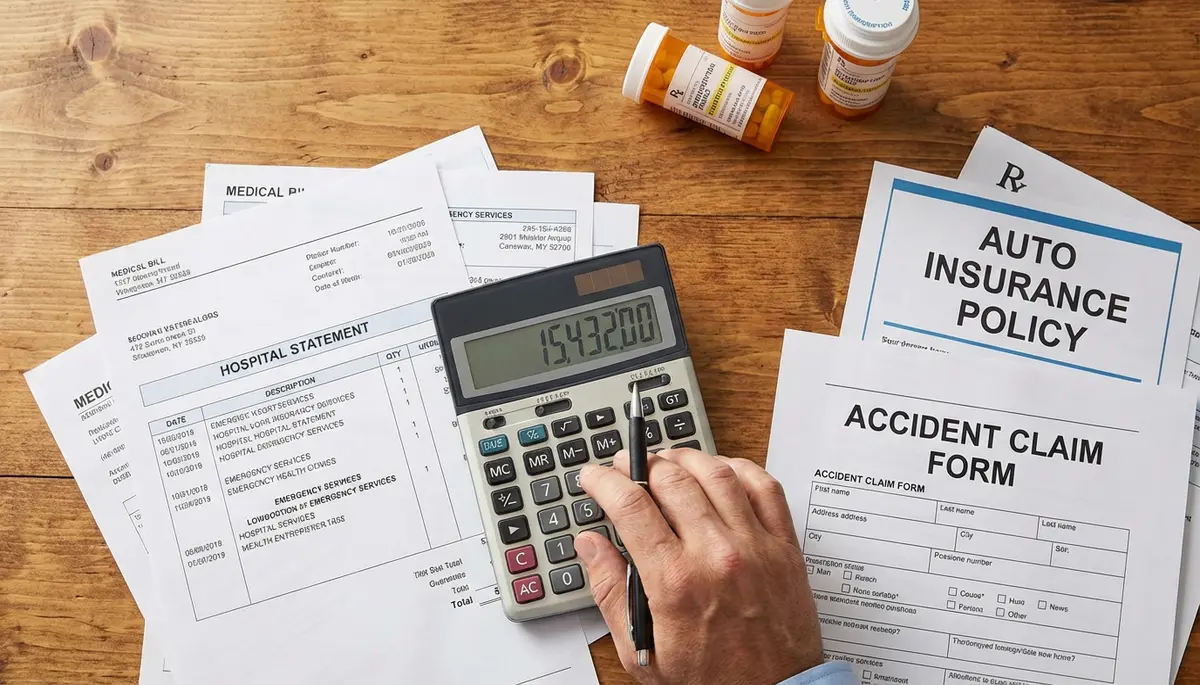
    Medical bills and documents from a car accident claim in North Carolina

    The value of your car accident case depends on many factors — and none of them involve an online calculator.

    The factors that actually determine what your case is worth

    Every car accident case in North Carolina is different. But there are consistent categories of damages that determine value. Let me walk through the real factors.

    Medical expenses

    Your medical bills are the foundation of your claim’s value. This includes emergency room visits, hospital stays, surgeries, physical therapy, chiropractic treatment, prescription medications, imaging (MRIs, X-rays, CT scans), and any future medical care you’ll need.

    The total matters, but so does the type of treatment. Insurance companies look closely at whether your treatment was “reasonable and necessary” — a phrase you’ll hear a lot. They’ll scrutinize your medical records for gaps in treatment, question whether certain procedures were warranted, and sometimes hire their own doctors to say you didn’t need the care you received.

    Future medical expenses are often where the real value lies, especially in cases involving herniated discs, torn ligaments, traumatic brain injuries, or other conditions that require ongoing care. Proving future medical needs requires solid medical evidence and sometimes expert testimony.

    Lost wages and earning capacity

    If the accident caused you to miss work, you’re entitled to recover those lost wages. This is pretty straightforward for salaried employees — your employer provides a letter documenting the time missed and the income lost.

    It gets more complicated for self-employed individuals, commission-based workers, and people whose injuries have permanently reduced their ability to earn a living. Lost earning capacity is different from lost wages. It’s about what you could have earned in the future but can’t anymore because of your injuries. Proving this often requires an economist or vocational expert.

    Pain and suffering

    This is the category that confuses most people — and the one where insurance companies have the most room to lowball you. Pain and suffering is a legal term for the physical pain, emotional distress, and diminished quality of life caused by your injuries.

    There’s no fixed formula for calculating pain and suffering in North Carolina. It’s subjective. A jury (or an adjuster during settlement negotiations) considers things like: How severe was the pain? How long did it last? Did it affect your ability to enjoy life, sleep, exercise, or spend time with family? Is the pain permanent?

    The insurance company will try to minimize this number as much as possible. They’ll point to gaps in treatment, argue that your injuries were pre-existing, or claim you’re exaggerating. Your job — and your attorney’s job — is to document the real impact of the injury on your daily life.

    Permanent injury and disability

    Cases involving permanent injuries are worth significantly more than soft tissue cases that resolve within a few months. If your doctor has assigned a permanent impairment rating, that changes the calculus entirely.

    Common permanent injuries from car accidents include spinal fusions, chronic pain conditions, loss of range of motion, scarring, and traumatic brain injuries. These cases require long-term documentation and often medical expert opinions about your prognosis.

    Property damage

    While property damage (your vehicle repair or total loss) is a separate claim from your injury claim, it does influence how the insurance company perceives your case. Severe vehicle damage tends to correlate with more serious injuries. A minor fender bender with a $1,500 repair bill and a claim for a herniated disc will get more scrutiny than a totaled vehicle with the same injury claim. Is that fair? Not always. But it’s how adjusters think.

    Why online calculators are misleading

    You’ve probably seen websites that promise to calculate your settlement in 60 seconds. You plug in your medical bills, click a button, and get a number. That number is meaningless.

    These calculators typically use a simple multiplier — they take your medical bills and multiply them by some factor (usually between 1.5 and 5) to estimate your total claim value. The problem is that no insurance company, no judge, and no jury uses a flat multiplier to value a case.

    The “multiplier method” is an oversimplification that insurance companies abandoned years ago. Most major insurers now use software programs like Colossus or Claims Outcome Advisor that analyze hundreds of data points to generate a claim value. These programs look at diagnosis codes, treatment types, jurisdiction, prior claims history, and dozens of other variables. A simple multiplier doesn’t come close to capturing that complexity.

    Online calculators exist for one reason: to collect your contact information and sell it to attorneys. They’re lead generation tools, not legal advice.

    Ryan’s Insider Perspective

    On the defense side, I saw how claims valuation software actually worked. The adjuster enters your medical codes, treatment timeline, and injury type into the system, and the software spits out a recommended range. That range is almost always conservative — it’s designed to protect the insurance company’s bottom line, not to give you a fair number. Adjusters who consistently settle above the software’s recommendation get flagged by management. The system is built to keep payouts low.

    Person reviewing medical bills and insurance paperwork for a car accident claim

    Your medical bills are just the starting point — the real value of your claim goes well beyond the numbers on paper.

    How insurance companies actually value claims

    Having been on the inside, I can tell you that insurance companies consider several things when they put a number on your claim.

    Liability clarity. How strong is the evidence that their insured caused the accident? If liability is disputed, the value goes down — not because your injuries are worth less, but because North Carolina’s contributory negligence rule means any hint of shared fault could eliminate the claim entirely.

    The severity and type of injury. Insurance companies categorize injuries internally. Soft tissue injuries (sprains, strains, whiplash without objective findings) are valued lower than injuries with objective medical evidence like fractures, disc herniations on MRI, or surgical interventions.

    Treatment consistency. Gaps in medical treatment hurt your claim. If you stop going to the doctor for three months and then resume treatment, the insurance company will argue you weren’t really hurt during that gap. They want to see a consistent treatment timeline that matches the severity of your claimed injuries.

    The jurisdiction. Where your case would be tried matters. Some NC counties have jury pools that tend to award higher verdicts. Others are more conservative. Insurance companies track verdict data by county and adjust their valuations accordingly. A case in Mecklenburg County might be valued differently than the same case in a rural county.

    The attorney (or lack of one). Insurance companies track attorney reputations. They know which attorneys file lawsuits and go to trial, and which ones always settle. Claims handled by unrepresented individuals are consistently valued lower because the insurance company knows there’s no threat of litigation. That’s not opinion — it’s industry data. Studies have shown that people with attorneys receive significantly higher settlements on average, even after attorney fees.

    Things that can reduce your case value

    Some factors work against you. Being aware of them can help you avoid mistakes that cost you money.

    Pre-existing conditions. If you had a prior back injury and the accident aggravated it, the insurance company will argue your current pain is related to the old injury, not the accident. You’re still entitled to compensation for aggravation of a pre-existing condition under NC law, but it complicates the case and gives the insurer a reason to offer less.

    Social media activity. I can’t stress this enough. If you’re claiming serious injuries and posting photos of yourself at the gym or on vacation, the insurance company will find those posts. Defense attorneys routinely review plaintiffs’ social media accounts. What you post can and will be used against you.

    Delayed medical treatment. If you waited two weeks after the accident to see a doctor, the insurance company will question whether the accident actually caused your injuries. See a doctor as soon as possible after any accident — even if you think you’re okay. Adrenaline masks pain, and some injuries don’t show symptoms for days. I’ve written more about what to do after a car accident to protect yourself.

    Recorded statements. Giving a recorded statement to the insurance adjuster without legal guidance can lock you into a version of events that hurts your claim. Be careful what you say early on.

    Settlement vs. trial: how the path affects value

    Most car accident cases in NC settle before trial. But the possibility of trial is what gives your settlement negotiations teeth. If the insurance company knows you’re willing to go to court, they’ll value your case higher than if they think you’ll take whatever they offer.

    Trial verdicts in NC car accident cases can vary wildly. A soft tissue case might settle for $15,000 to $30,000 but could get a defense verdict (zero) at trial because of contributory negligence. A serious injury case with clear liability might settle for $250,000 but could get a jury verdict of $500,000 or more.

    The decision to settle or go to trial involves weighing the guaranteed money of a settlement against the risk and potential reward of trial. That’s a conversation every client should have with their attorney, and it should be based on the specific facts of the case — not on some generic formula. Keep in mind there are also deadlines for filing your claim that affect your timeline.

    Frequently asked questions

    Is there an average settlement for a car accident in North Carolina?

    There’s no meaningful “average” because cases vary so widely. A minor whiplash case might settle for $5,000 to $15,000, while a case involving surgery and permanent injury could settle for hundreds of thousands or more. Anyone quoting you an average settlement without knowing the details of your case is guessing.

    How long does it take to settle a car accident case in NC?

    Most car accident cases take anywhere from several months to a couple of years to resolve, depending on the complexity. You generally shouldn’t settle until you’ve reached maximum medical improvement (MMI) — the point where your doctors say your condition has stabilized. Settling too early means you might not account for future medical expenses or permanent impairments.

    Does the insurance company’s first offer reflect what my case is worth?

    Almost never. The first offer is typically a lowball — sometimes dramatically so. Insurance companies expect negotiation. Their initial offer is based on what they think you’ll accept, not what your case is actually worth. Having an attorney negotiate on your behalf usually results in a significantly higher outcome.

    Will I get more money if I hire a lawyer?

    Statistically, yes. Research consistently shows that injured people who hire attorneys receive higher settlements on average — even after paying attorney fees — than those who handle claims on their own. An attorney knows how to document your damages, counter the insurance company’s tactics, and leverage the threat of litigation to get you a fair result.

    Want to know what your car accident case is really worth? Get a free, no-obligation case evaluation.

    Free Consultation
    Call 704-741-9399

    This blog post is for general informational purposes only and does not constitute legal advice. Every case is different, and outcomes depend on the specific facts and circumstances involved. Contact the Law Office of Ryan P. Duffy for a free consultation to discuss your specific situation.

  • The Insurance Company Offered Me a Settlement. Should I Take It?

    The Insurance Company Offered Me a Settlement. Should I Take It?

    If you’ve been in a car accident and the insurance company just offered you a settlement, your first instinct might be to take it. The bills are piling up, you’re missing work, and here’s a check that could make some of that stress go away. I get it. But before you sign anything, you need to understand what that offer actually represents — and why it’s almost certainly less than what your case is worth.

    I’m a personal injury attorney in Belmont, NC, and before I started representing injured people, I worked as an insurance defense lawyer. I’ve seen the internal process from the other side. I know how adjusters calculate their initial offers, what authority limits look like, and exactly why that first number is designed to close your case cheap.

    Insurance settlement offer letter on desk with pen

    That settlement check might look tempting — but the first offer rarely reflects what your claim is actually worth.

    Why the first offer is almost always too low

    Insurance companies don’t make money by paying claims generously. They make money by collecting premiums and investing that float. Every dollar they pay out in claims is a dollar off the bottom line. That’s not cynicism — it’s just how the business works.

    When an adjuster sends you a settlement offer early in your case, they’re testing you. They want to know: will this person accept a quick payout? If the answer is yes, the insurance company just saved itself tens of thousands of dollars — sometimes more.

    The first offer typically accounts for your current medical bills (sometimes not even all of them) and maybe a small multiplier for pain and suffering. What it almost never accounts for:

    • Future medical treatment you haven’t had yet
    • The full extent of your lost wages, including future earning capacity
    • Ongoing pain and how it affects your daily life
    • The long-term consequences of your injuries

    If you’re still treating for your injuries, accepting a settlement now means you’re giving up the right to seek compensation for anything that develops later. Once you sign that release, you’re done. The insurance company knows this. They’re counting on it.

    How insurance adjusters calculate settlement offers

    Here’s what happens on the other side of your claim. When your file lands on an adjuster’s desk, they run it through an evaluation. Most large insurers use software — Colossus is the big one — that spits out a value range based on your injuries, treatment, and the jurisdiction you’re in.

    The adjuster then gets “authority” from their supervisor to settle the claim within a certain dollar range. That initial authority is almost always at the low end of what the case is worth. The adjuster’s job is to settle within that authority. If they can close your case for less than their authority, that’s a win for them.

    Here’s what goes into their calculation:

    Medical specials

    This is the total of your medical bills. Adjusters look at the billed amounts, but they also consider what was actually paid (which is usually less, thanks to insurance adjustments and write-offs). Some adjusters will try to base the offer on the paid amount rather than the billed amount, which can cut the value of your claim significantly.

    Type of treatment

    Insurance companies value treatment with orthopedic surgeons and neurologists more than treatment with chiropractors. That’s not a comment on the quality of care — it’s just how the industry works. If your treatment has been exclusively chiropractic, expect the adjuster to discount your claim compared to someone who saw a specialist.

    Gaps in treatment

    If you took a break from treatment — even for a legitimate reason like work obligations or childcare — the adjuster will use that gap against you. In their evaluation, gaps in treatment equal gaps in pain, which means a lower offer.

    Liability disputes

    If there’s any question about who caused the accident, the adjuster will discount the offer. North Carolina follows a pure contributory negligence rule, which means if you’re even 1% at fault, you could be barred from recovering anything. Adjusters love to raise contributory negligence arguments to push settlement values down.

    Ryan’s Insider Perspective

    When I worked defense, I saw adjusters get bonuses based on how far under their settlement authority they closed cases. The adjuster sitting across the table from you is financially incentivized to pay you less. That first offer? It’s their opening bid in a negotiation — not a fair evaluation of what happened to you.

    Common tactics insurers use to pressure you into accepting

    Insurance companies have a playbook, and they run it on unrepresented claimants every single day. Here are some of the tactics I see most often:

    The urgency play: “This offer is only good for 30 days.” They want you to feel like the clock is ticking. In reality, you have three years to file a personal injury lawsuit in North Carolina (the statute of limitations). Don’t let artificial deadlines push you into a bad decision.

    The sympathy act: “I really want to help you, but this is the best I can do.” The adjuster isn’t your friend. They work for the insurance company. Their job is to minimize what the company pays.

    The doubt seed: “Well, you did have some pre-existing back issues.” Everyone over the age of 30 has some pre-existing something on their medical records. Having a pre-existing condition doesn’t mean the accident didn’t make it worse. Under NC law, a defendant takes the plaintiff as they find them — that’s the eggshell plaintiff doctrine.

    The recorded statement trap: Before the offer, they may have asked you for a recorded statement. If you gave one, they’ll comb through every word looking for inconsistencies they can use to justify a lower number.

    Person reviewing insurance settlement documents

    Understanding what’s in (and what’s missing from) a settlement offer is the first step toward getting fair compensation.

    What a fair settlement actually looks like

    A fair settlement fully compensates you for:

    • All past medical bills related to your injuries
    • Future medical treatment you’ll need (physical therapy, surgery, medication)
    • Lost wages from time missed at work
    • Lost earning capacity if your injuries affect your ability to work long-term
    • Pain and suffering — both physical pain and the emotional toll of living with an injury
    • Loss of enjoyment of life — the things you used to do that you can’t do anymore

    There’s no magic formula. Every case is different. But a fair settlement should make you feel like the number reflects what actually happened to you — not just what the insurance company could get away with paying.

    I tell my clients: if you’re still treating, it’s too early to settle. You don’t know the full picture yet. Once you’ve reached maximum medical improvement and we know the full scope of your injuries, that’s when we can evaluate whether an offer is fair. If you want to understand the timeline better, read my post on how long you have to file a car accident claim in North Carolina.

    When it makes sense to accept a settlement offer

    I’m not going to tell you that every settlement offer is bad. Sometimes the insurance company does come to the table with a reasonable number. That can happen when:

    • Liability is clear and undisputed
    • Your injuries are well-documented and you’ve completed treatment
    • The offer accounts for all your damages, including future medical needs
    • Taking the case to trial carries meaningful risk (every case has risk)
    • The policy limits are low and the offer is at or near those limits

    The decision to accept or reject a settlement is always yours. My job is to give you the information you need to make that decision with confidence. If the offer is fair, I’ll tell you. If it’s not, I’ll tell you that too — and we’ll talk about the next steps.

    What to do if you’ve already received an offer

    If you’ve got a settlement offer sitting on your kitchen table right now, here’s my advice:

    1. Don’t sign anything yet
    2. Don’t call the adjuster to discuss the offer
    3. Make copies of everything — the offer letter, the release, any correspondence
    4. Talk to a personal injury attorney before you make a decision

    A consultation is free at my office and there’s no obligation. I’ll review the offer, look at your medical records, and give you an honest assessment of whether the number is fair. If I think you can do better, I’ll explain why and how. If you’ve been in a car accident in North Carolina, don’t let the insurance company set the terms.

    Frequently asked questions

    Can I negotiate a settlement offer on my own?

    You can try. But you’re negotiating against a trained professional who does this every day, has access to your recorded statements, and is backed by a legal team. Most people who negotiate on their own end up leaving money on the table because they don’t know how to value their claim or counter the adjuster’s arguments.

    How long do I have to accept or reject a settlement offer?

    The offer letter might say 30 days, but that’s the insurance company’s deadline — not a legal one. In North Carolina, you have three years from the date of the accident to file a lawsuit (N.C.G.S. 1-52). As long as you’re within that window, you have time to evaluate the offer properly.

    What happens if I reject the settlement offer?

    Rejecting an offer doesn’t end your case. It just means the negotiation continues. Your attorney will send a counteroffer explaining why your case is worth more. If negotiations stall, the next step is usually filing a lawsuit, which opens up additional settlement opportunities through the litigation process, including mediation.

    Will I get more money if I hire a lawyer?

    Research consistently shows that injured people who hire lawyers recover significantly more than those who don’t — even after paying attorney fees. The Insurance Research Council has published data on this. And from my experience on the defense side, I can tell you that adjusters treat claims differently when a lawyer is involved. The offers go up.

    Got a settlement offer you’re not sure about? I’ll review it for free and tell you if it’s fair.

    Free Consultation
    Call 704-741-9399

    This blog post is for general informational purposes only and does not constitute legal advice. Every case is different, and outcomes depend on the specific facts and circumstances involved. Contact the Law Office of Ryan P. Duffy for a free consultation to discuss your specific situation.
  • Should I Give a Recorded Statement to the Insurance Company After an Accident?

    Should I Give a Recorded Statement to the Insurance Company After an Accident?

    Within days of a car accident, your phone will ring. It’ll be an insurance adjuster — friendly, concerned, maybe even sympathetic. They’ll say they just want to “get your side of the story” and ask if you’d mind giving a recorded statement. It sounds reasonable. It isn’t.

    I spent years as an insurance defense attorney. I’ve reviewed hundreds of recorded statements, and I can tell you exactly what the adjuster is doing: building a case against you. Every question they ask has a purpose, and that purpose isn’t to help you get fair compensation.

    Person receiving a phone call from an insurance adjuster after a car accident

    That friendly call from the insurance adjuster isn’t as innocent as it sounds.

    What is a recorded statement?

    A recorded statement is exactly what it sounds like — the insurance company asks you questions while recording your answers, usually over the phone. Sometimes they’ll call it an “interview” or say they’re just “taking your statement for the file.” The recording can be audio, or the adjuster may type it up and ask you to sign it later.

    There are two types you might encounter. The at-fault driver’s insurance company (the third-party insurer) may call and ask for one. Your own insurance company might also request a statement, especially if you’re filing a UM/UIM claim. The rules are a bit different depending on which company is asking, and I’ll get into that below.

    Why the other driver’s insurance company wants your statement

    Let me be blunt: the other driver’s insurance company is not on your side. They have one goal — pay you as little as possible, or nothing at all. The recorded statement is a tool to accomplish that goal.

    Adjusters are trained to ask questions in specific ways. They’re not just collecting facts. They’re looking for inconsistencies, admissions, and anything they can use to argue contributory negligence — which in North Carolina can completely eliminate your right to compensation.

    The questions are designed to trap you

    An adjuster might ask, “Did you see the other car before the impact?” If you say no, they’ll argue you weren’t keeping a proper lookout. If you say yes, they’ll ask why you didn’t take evasive action. Either answer can be used against you.

    “How are you feeling today?” Sounds like small talk. It’s not. If you say “I’m doing okay,” that statement will show up in a letter denying your injury claim. They’ll say you told them you were fine shortly after the accident.

    “Can you describe exactly what happened?” You’re being asked to give a detailed account while you’re still in pain, possibly on medication, and dealing with the stress of the accident. You might get a detail wrong. You might say something imprecise. That inconsistency will be used to undermine your credibility later.

    They’re locking you into a story

    One of the most effective things about a recorded statement is that it locks you into a version of events early — before you’ve had a chance to fully understand what happened, get all your medical records, or consult with an attorney. If your account changes later (because you remembered something, or new evidence came to light), the insurance company will use the recorded statement to argue you’re not credible.

    I’ve seen it happen dozens of times. A person gives an honest statement two days after a crash, then three months later their medical records show injuries they didn’t mention in the statement because the symptoms hadn’t appeared yet. The insurance company points to the statement and says, “You never mentioned neck pain when we talked to you. You must be exaggerating.”

    Ryan’s Insider Perspective

    When I reviewed recorded statements on the defense side, I was specifically looking for three things: admissions of any fault (even partial), inconsistencies between the statement and other evidence, and minimization of injuries. A single sentence like “I guess I could have been paying more attention” was often enough to build an entire contributory negligence defense around. The person thought they were being honest and humble. The insurance company saw it as a signed confession.

    Are you legally required to give a recorded statement?

    If the other driver’s insurance company asks for a recorded statement, the answer is simple: no, you are not required to give one. You have no contractual relationship with the at-fault driver’s insurer. They have no legal right to demand a statement from you. You can politely decline, and you should.

    The adjuster might push back. They might imply that your claim can’t move forward without a statement, or that refusing makes you look like you have something to hide. That’s a pressure tactic. Your claim doesn’t depend on cooperating with the other side’s investigation.

    What about your own insurance company?

    This is where it gets more complicated. Your own auto insurance policy likely includes a “cooperation clause” that requires you to assist with the investigation of any claim. If you’re filing a claim under your own policy — like a UM/UIM claim — your insurer may have a contractual right to request a statement.

    But even then, you have rights. You can have an attorney present. You can schedule it at a reasonable time. You don’t have to answer questions that go beyond the scope of the claim. And your attorney can object to questions that are designed to harm your case rather than investigate the facts.

    Insurance adjuster reviewing accident claim documents at desk

    Adjusters are trained professionals. They ask questions for a reason — and that reason isn’t to help your claim.

    What to do when the adjuster calls

    If you get that call — and you will — here’s what I tell my clients.

    Be polite but firm. You can say, “I’m not comfortable giving a recorded statement at this time. I’d like to speak with an attorney first.” That’s it. You don’t need to explain further or justify your decision.

    Don’t discuss the accident in detail. You can confirm basic information — your name, the date of the accident, your insurance policy number. But don’t describe what happened, how you’re feeling, or anything about your injuries. Keep it short.

    Don’t say you’re “fine” or “okay.” This is a natural response when someone asks how you’re doing. But in the context of an injury claim, those words will be used to minimize your injuries. If the adjuster asks how you’re feeling, say you’re still being evaluated by your doctors.

    Write down who called you and when. Keep a record of every contact from the insurance company. Note the adjuster’s name, the company they represent, their phone number, and what they said. This documentation can be helpful later.

    Talk to an attorney before giving any statement. I know I’m a lawyer saying “call a lawyer,” but this is one of those situations where it genuinely matters. An experienced car accident attorney can handle communication with the insurance company, and if a statement is needed, they can prepare you and be present to protect your interests. If you’re not sure what steps to take after your accident, start there.

    Can a recorded statement help your case?

    In rare situations, yes. If the facts are overwhelmingly in your favor and there’s no question about liability or injuries, a well-prepared statement given with an attorney’s guidance can sometimes move a claim forward faster. But that’s the exception, not the rule.

    The problem is that most people don’t know which category their case falls into. And by the time you realize the statement hurt you, it’s too late — the words are already on the record. The safe play is almost always to decline the third-party statement and have your attorney manage the process.

    Frequently asked questions

    Can the insurance company deny my claim if I refuse to give a recorded statement?

    The other driver’s insurance company cannot deny your claim simply because you refused their request for a recorded statement. You have no obligation to cooperate with their investigation. Your own insurance company is different — your policy may require cooperation, but even then, you can have an attorney present and set reasonable conditions.

    What if I already gave a recorded statement?

    Don’t panic. A recorded statement doesn’t automatically destroy your case. But you should talk to an attorney as soon as possible so they can review what was said and develop a strategy to address any problematic statements. The sooner you get legal help, the more options you’ll have.

    Is a recorded statement the same as a deposition?

    No. A recorded statement is an informal interview conducted by an insurance adjuster, usually over the phone. A deposition is a formal proceeding under oath, typically conducted by an attorney during litigation, with a court reporter present. Depositions have legal protections that recorded statements don’t — including the right to have your attorney object to improper questions.

    How soon after an accident will the insurance company call?

    Fast. It’s common to get a call within 24 to 72 hours of the accident. Insurance companies move quickly because they know you’re most vulnerable right after a crash — you’re in pain, you’re stressed, and you haven’t had time to think clearly or talk to a lawyer. That speed is intentional.

    Got a call from an insurance adjuster? Talk to a former defense attorney before you say a word.

    Free Consultation
    Call 704-741-9399

    This blog post is for general informational purposes only and does not constitute legal advice. Every case is different, and outcomes depend on the specific facts and circumstances involved. Contact the Law Office of Ryan P. Duffy for a free consultation to discuss your specific situation.

  • How Long Do I Have to File a Car Accident Claim in North Carolina?

    How Long Do I Have to File a Car Accident Claim in North Carolina?

    In North Carolina, you have three years from the date of your car accident to file a personal injury lawsuit. That’s the deadline under N.C. Gen. Stat. § 1-52(16). Miss it by even a day, and the court will throw out your case. Doesn’t matter how badly you were hurt or how obviously the other driver caused the wreck. But the statute of limitations isn’t actually the thing I worry about for most of my clients. The real problem is what happens to your case while you sit on it.

    I spent years defending insurance companies before I switched sides. I can tell you that delay is one of the best friends an insurer has. Every week you wait makes it easier for them to pay you less or shut you out entirely.

    Calendar and clock on a desk with legal documents, representing the urgency of filing a car accident claim in North Carolina

    The three-year deadline to file a car accident lawsuit in North Carolina goes by faster than most people think.

    The statute of limitations for NC car accidents

    The statute of limitations is just a legal deadline for filing suit. For most car accident injury claims in North Carolina, it’s three years from the date of the accident under N.C. Gen. Stat. § 1-52. If someone died in the accident, the wrongful death deadline is shorter: two years from the date of death under N.C. Gen. Stat. § 1-53.

    A few narrow exceptions can move the deadline:

    • Minors. If the injured person was under 18, the three-year clock doesn’t start until they turn 18.
    • Mental incapacity. The deadline may be tolled if the injured person was mentally incapacitated at the time of the accident.
    • Government vehicles. Accidents involving a city, county, or state vehicle sometimes require a notice of claim within as little as 6 months.

    These exceptions are narrow and fact-specific. For most people reading this, the rule is straightforward: three years from the crash.

    Why waiting is dangerous even if you’re within the deadline

    People hear “three years” and figure they have time. Technically, sure. But a case that’s a year old is almost always weaker than one that’s a month old. There are a few reasons for that.

    Evidence disappears fast

    Surveillance footage from nearby businesses gets overwritten every 30 to 90 days. Skid marks fade. Vehicles get repaired or junked. The physical proof of what happened starts disappearing almost immediately, and there’s no getting it back once it’s gone.

    Witnesses forget

    The person who saw the other driver blow through the red light might remember it clearly a week later. Six months out, things get fuzzy. A year later, they might mix up details or not remember it at all. I’ve had cases where a great witness became useless simply because too much time passed before anyone talked to them.

    Treatment gaps give insurers ammunition

    If you wait weeks or months to see a doctor, the insurance company will say your injuries either weren’t caused by the accident or aren’t that bad. I used to make this exact argument when I was on the defense side. A gap of even two or three weeks is enough for an adjuster to start questioning whether your injuries are real. See your doctor right away and don’t skip follow-ups.

    Insurers count on your delay

    Adjusters are trained to be patient. They know that the longer a claim sits without a lawyer involved, the more likely someone is to take a bad offer out of frustration or financial pressure. Bills pile up. You can’t work. The mortgage is due. That’s exactly the position they want you in when they put a lowball number in front of you.

    Ryan’s Insider Perspective

    When I worked defense, I saw claim files where the adjuster’s notes flagged cases with delayed treatment or no attorney involvement as “favorable for resolution.” That’s insurance-speak for “we expect to pay a lot less on this one.” The playbook hasn’t changed. The sooner you act, the harder it is for them to run those plays against you.

    North Carolina courthouse exterior with stone columns, representing the legal system and filing deadlines

    Once the statute of limitations expires, the courthouse doors are effectively closed to your claim.

    What happens if you miss the deadline

    If you file your lawsuit even one day late, the defendant files a motion to dismiss and the court grants it. Case over. It doesn’t matter how bad your injuries are, how clear the fault is, or how much you’ve spent on medical bills. Judges don’t have the power to extend the deadline because they feel bad for you.

    You also lose all leverage with the insurance company. Once the statute of limitations passes, the insurer knows you can’t sue them. So why would they negotiate? They won’t.

    Property damage has the same deadline, but it usually doesn’t matter

    North Carolina gives you three years for property damage claims too, under N.C. Gen. Stat. § 1-52(1). But most vehicle damage claims get handled through insurance within a few weeks or months. The deadline really matters on the injury side, especially when your injuries take time to fully show up.

    Contributory negligence makes this even more urgent

    North Carolina is one of a handful of states that follows the contributory negligence rule. If you’re found even 1% at fault for the accident, you can be completely barred from recovering anything. Not reduced. Barred.

    That makes timing critical, because defending against a contributory negligence argument takes preparation. Your attorney needs police reports, witness statements, surveillance footage, medical records, and sometimes an accident reconstruction expert. All of that takes time to gather, and the evidence gets harder to find the longer you wait.

    Wait 18 months and then hire an attorney? Half the evidence may be gone. The witnesses may have moved. The dashcam footage that would’ve proved the other driver crossed the center line was probably deleted months ago. Contributory negligence is already an extremely tough hurdle in North Carolina. Sitting on your hands makes it worse.

    What to do right now

    If you’ve been in a car accident in North Carolina and haven’t talked to a lawyer yet, here’s what I’d tell you:

    1. Get medical treatment if you haven’t already. Follow up with your doctor and don’t skip appointments.
    2. Stop giving statements to the insurance company without legal guidance. Anything you say can be used to reduce or kill your claim.
    3. Save everything. Photos, medical bills, the police report, any texts or emails with the other driver’s insurer.
    4. Talk to a personal injury attorney. My firm and most others offer free consultations. We work on contingency, which means you don’t pay unless we recover money for you.

    You don’t have to file suit tomorrow. But getting legal advice early gives your lawyer time to lock down evidence while it still exists. Waiting doesn’t help you. It helps the insurance company.

    Frequently asked questions

    How long do I have to file a car accident claim in NC?

    Three years from the date of the accident for personal injury, under N.C. Gen. Stat. § 1-52. Wrongful death claims have a two-year deadline from the date of death.

    Does the statute of limitations apply to insurance claims too?

    Technically, the statute of limitations is about filing a lawsuit, not an insurance claim. But once the deadline passes, the insurer knows you can’t sue, so they have zero reason to negotiate. File your claim as soon as you can.

    Can I still file if my accident was two years ago?

    Yes, you’re still within the deadline. But your case is weaker now than it was a year ago, and it’ll be weaker next month than it is today. Don’t wait any longer. Talk to an attorney.

    What if my injuries didn’t show up until weeks later?

    The clock usually starts on the date of the accident, not when you first noticed symptoms. There’s a narrow “discovery rule” that might apply in unusual situations, but don’t count on it. If you’re dealing with delayed symptoms, talk to a lawyer sooner rather than later.

    Don’t let the clock run out on your car accident claim. Get a free case evaluation from a former insurance defense attorney.

    Free Consultation
    Call 704-741-9399

    This blog post is for general informational purposes only and does not constitute legal advice. Every case is different, and outcomes depend on the specific facts and circumstances involved. Contact the Law Office of Ryan P. Duffy for a free consultation to discuss your specific situation.